
Unbiased headlines. Facts, not spin.
Every story is an unbiased news briefing written from 110+ sources across the spectrum — sources linked so you can verify it yourself.
 health
Major Story (7/10)
August 13, 2026 at 04:03 PM
health
Major Story (7/10)
August 13, 2026 at 04:03 PM
Colombia Earthquake Death Toll Reaches 287 as Wikipedia Tally Outpaces Official Government Count
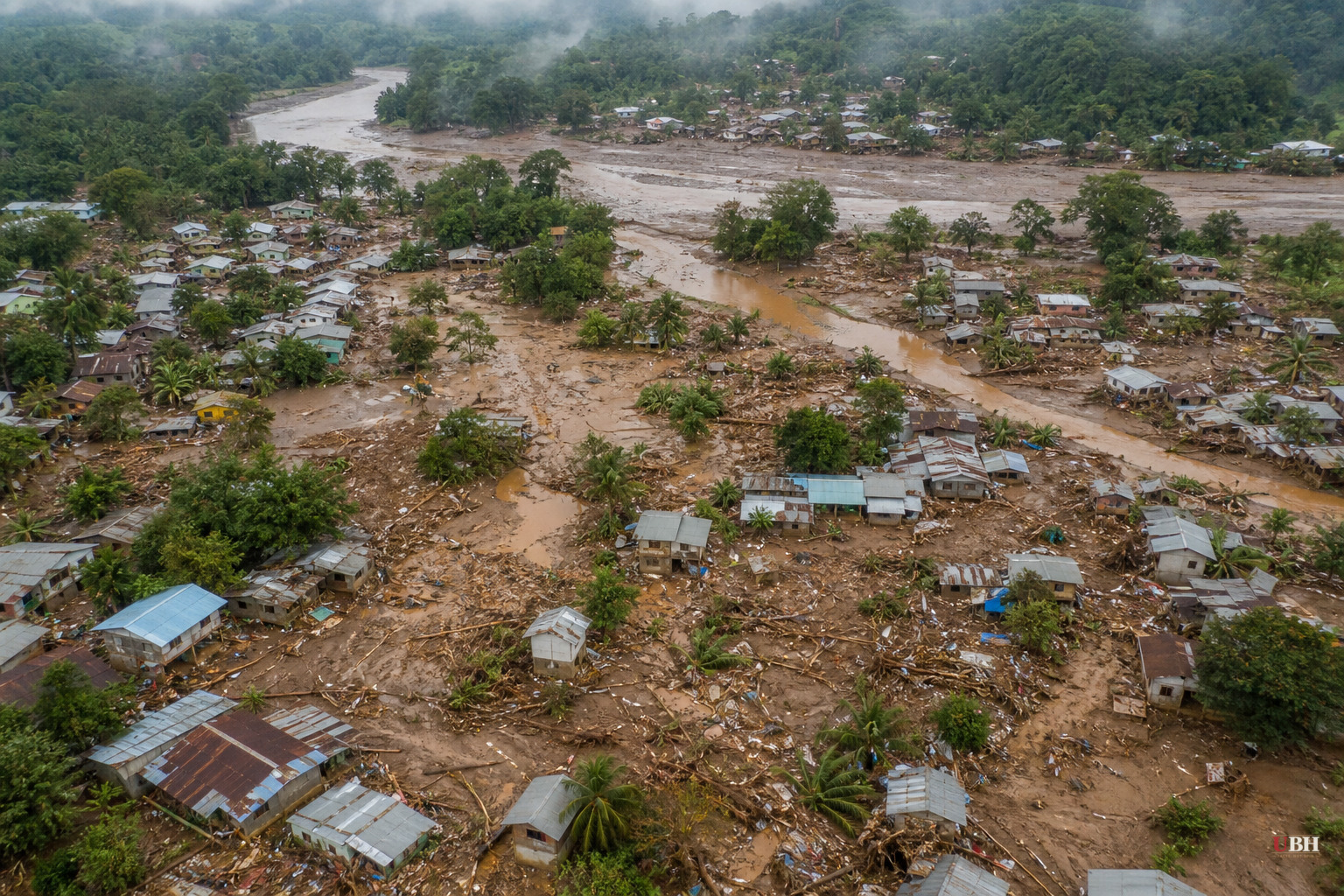
Since the magnitude 7.4 earthquake struck Colombia's Chocó department at 7:34 a.m. local time on Monday, August 10, the confirmed death toll has kept climbing. A running tally citing Colombian emergency authorities now puts the number at 287 dead, more than 3,700 injured, and over 4,100 people still reported missing.
That's up from the 265 figure reported earlier this week, when U.S. search teams arrived to help local crews dig through collapsed buildings in Pereira and other hard-hit cities. In disasters of this scale, missing-persons lists shrink and death tolls grow simultaneously as rescue crews clear more rubble and reconcile lists of the unaccounted-for.
The quake's epicenter was near San José del Palmar, a town of about 5,000 people west of Bogotá, according to the U.S. Geological Survey. USGS measured the depth at 110.3 kilometers, and the Colombian Geological Service separately clocked it near 103 kilometers, calling it the strongest seismic event recorded in Colombia this century. The quake registered a maximum intensity of MMI VIII, classified as "severe" shaking, and has produced more than 100 aftershocks, the largest a magnitude 5.0.
Five cities bore the brunt: Pereira, Cali, Quibdó, Manizales, and Armenia. The Colombian Association of Capital Cities, known as Asocapitales, reported 86 buildings collapsed, seven airports suspended operations, and more than 1,500 homes were damaged or destroyed. Schools and more than a dozen health centers were also hit, according to reporting relayed by the New York Times.
The quake was felt well beyond Colombia's borders, shaking parts of Ecuador, Panama, and Venezuela.
President Abelardo De La Espriella, sworn into office only days before the earthquake hit, said on X that he had "directly assumed leadership of the emergency response" and declared a national emergency, a move confirmed by the Associated Press. He told Colombians affected by the disaster: "You have a President who cares deeply for his people and who will do everything necessary to protect you, support you, and move forward together in rebuilding the affected regions." No formal criticism of De La Espriella's response has been reported from opposition figures or independent monitors as of this week, though a new president managing a disaster of this magnitude within days of taking office is an unusual test of any administration's crisis machinery.
The International Rescue Committee has teams working near the epicenter in Chocó. IRC Country Director Nicole Kast said the group's teams are reporting damage to infrastructure, including hospitals and clinics, in the areas closest to where the quake struck.
Why the numbers keep moving
Casualty figures in the immediate aftermath of any major earthquake are inherently unstable, and Colombia's is no exception. Early tallies from Asocapitales on the day of the quake put deaths at 132 and injuries at 570. Within days, official counts more than doubled. The missing-persons list, meanwhile, has stayed stubbornly high, sitting above 4,100 even as confirmed deaths rise, because many of those names likely represent people already among the dead but not yet identified or extracted from rubble.
Back-to-back earthquakes in Venezuela in June, each above magnitude 7, killed more than 6,000 people combined, according to TIME's reporting on prior events. Colombia's toll, while lower so far, is tracking a similarly grim trajectory as search efforts continue.
What's unresolved
The key open question is how many of the roughly 4,100 people still listed as missing will eventually be confirmed dead versus found alive or simply removed from the list as duplicate or outdated reports. U.S. rescue teams that arrived earlier this week are working alongside Colombian crews in a search window that officials have signaled is entering its final phase, meaning the odds of finding survivors under rubble are diminishing by the day.
There's no confirmed timeline yet for when Colombian authorities expect to close out search-and-rescue operations entirely and shift fully into recovery and rebuilding. With over 1,500 homes damaged and seven airports still affected by the quake as of the most recent Asocapitales figures, the reconstruction bill, and how De La Espriella's young administration finances it, remains an open and consequential question for a government barely two weeks old.
Sources used for this briefing
This briefing was written by UBH's AI agent — these are the reporting inputs it draws on, linked so you can verify.


