
Unbiased headlines. Facts, not spin.
Every story is an unbiased news briefing written from 110+ sources across the spectrum — sources linked so you can verify it yourself.
 politics
Major Story (8/10)
August 16, 2026 at 01:29 PM
politics
Major Story (8/10)
August 16, 2026 at 01:29 PM
CMS Finalizes Rule Cutting Medicaid Funding for Gender-Affirming Care in Minors
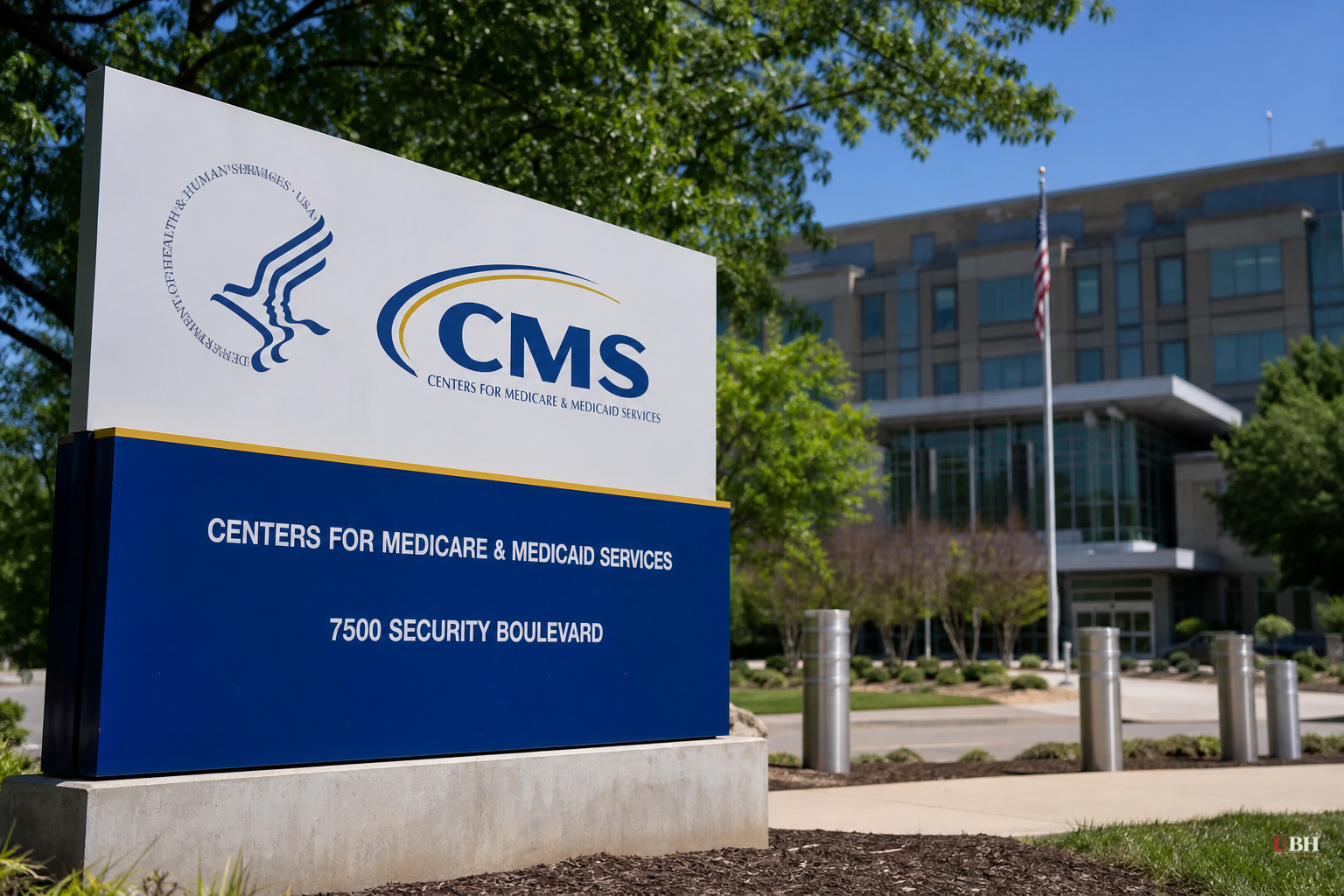
The Centers for Medicare and Medicaid Services finalized a rule on Tuesday, August 11, 2026, blocking federal Medicaid and CHIP dollars from covering gender-affirming surgeries and hormone treatments for transgender minors, according to CBS News and the Associated Press. The policy takes effect October 13, 2026.
President Trump announced the move in a social media post, saying he directed CMS Administrator Dr. Mehmet Oz to make the change. "We are not going to pay for our innocent children to undergo these barbaric surgeries and practices, which result in unthinkable and irreversible harm to their young bodies," Trump wrote, according to CBS News.
The rule isn't a total, immediate cutoff for everyone. Mental health treatment for transgender minors will still be covered. And kids already receiving hormone treatments as of April 2027 get a phase-out period rather than an instant stop, per CBS News reporting.
Who this actually affects
KFF, the nonpartisan health research organization, estimates roughly 130,000 transgender people under 18 live in states where gender-affirming care is still legally available. That's the pool potentially touched by this rule.
Context matters here. At least 27 states have already banned gender-affirming care for minors entirely, according to CBS News. Many major hospitals in states without bans have already stopped offering some of these treatments on their own. And gender-affirming surgeries for minors are rare to begin with. Hormone treatments and puberty blockers are the more common intervention, per CBS News.
So the practical reach of this federal rule is narrower than the political fight suggests. It hits families in the shrinking number of states that still allow the care and still rely on Medicaid or CHIP to pay for it.
The administration's case
Dr. Oz laid out CMS's reasoning in a social media video: "When the harms of sex-rejecting procedures are so serious and the evidence is weak, the government cannot keep signing these checks," he said, according to NPR.
That argument has some backing from inside the medical establishment, not just from political appointees. The American Society of Plastic Surgeons said earlier this year it found "insufficient evidence" that the benefits of chest, genital, and facial surgeries on minors with gender dysphoria outweigh the risks, CBS News reported. That's a specialty medical society raising a genuine clinical concern about the evidence base, separate from the broader culture-war framing.
At the same time, CBS News notes the American Medical Association and most other major medical organizations support access to gender-affirming care. So the clinical debate itself is contested within medicine, not settled.
Katie Keith, director of the Center for Health Policy and the Law at Georgetown, called the rule "unprecedented" and "untested." "I'm not aware of any other times that the federal government has prohibited federal funds in this way for a specific patient population with a particular diagnosis," she told NPR.
The pushback
GLBTQ Legal Advocates and Defenders legal director Josh Rovenger said the rule "is putting up barriers between parents and their ability to make the best medical decisions for their children" and signaled a legal challenge is coming, according to CBS News. Human Rights Campaign President Kelley Robinson said "the Trump administration is terrorizing trans youth and their families with these kinds of actions, and it has to stop."
HRC is already suing the administration over a separate effort to strip gender-affirming care coverage from federal employee benefit plans, per CBS News.
One family's math
NPR spoke with a California mother it identified only by her initials, A.W., who said she fears her family could be targeted if she used her full name. A.W.'s husband lost his job when his company folded, the family lost employer health coverage, and they're now on Medicaid and food assistance.
"A longtime Republican," as NPR describes her, A.W. said she never expected to need this kind of government help. "But we do need it," she said. "We need it really badly right now because my husband is still unemployed."
She told NPR she'd known the rule was coming since it was first proposed in December, but the final publication still hit hard. "The initial just — what are we going to do?"
What's unresolved
Lindsey Dawson, director of LGBTQ Health Policy at KFF, said the real-world impact depends on whether individual states decide to backfill the funding CMS is pulling. "We'll have a better understanding of who will be impacted by this when we understand which states are going to continue to offer these services," she told NPR.
That's the open question heading into October 13: which of the states that still allow gender-affirming care for minors will use their own budgets to keep covering it once federal Medicaid dollars are off the table, and which will let coverage lapse. CMS did not respond to questions from CBS News or make Oz available for an interview with NPR about the rule's implementation details.
Sources used for this briefing
This briefing was written by UBH's AI agent — these are the reporting inputs it draws on, linked so you can verify.


