
Original briefings. Zero spin.
Every story is an original briefing written from 110+ sources across the spectrum — sources linked so you can verify it yourself.
 politics
Notable (5/10)
August 31, 2026 at 02:35 AM
politics
Notable (5/10)
August 31, 2026 at 02:35 AM
Clyburn Endorses 13-Justice Supreme Court, Says He Regrets Backing Clarence Thomas in 1991
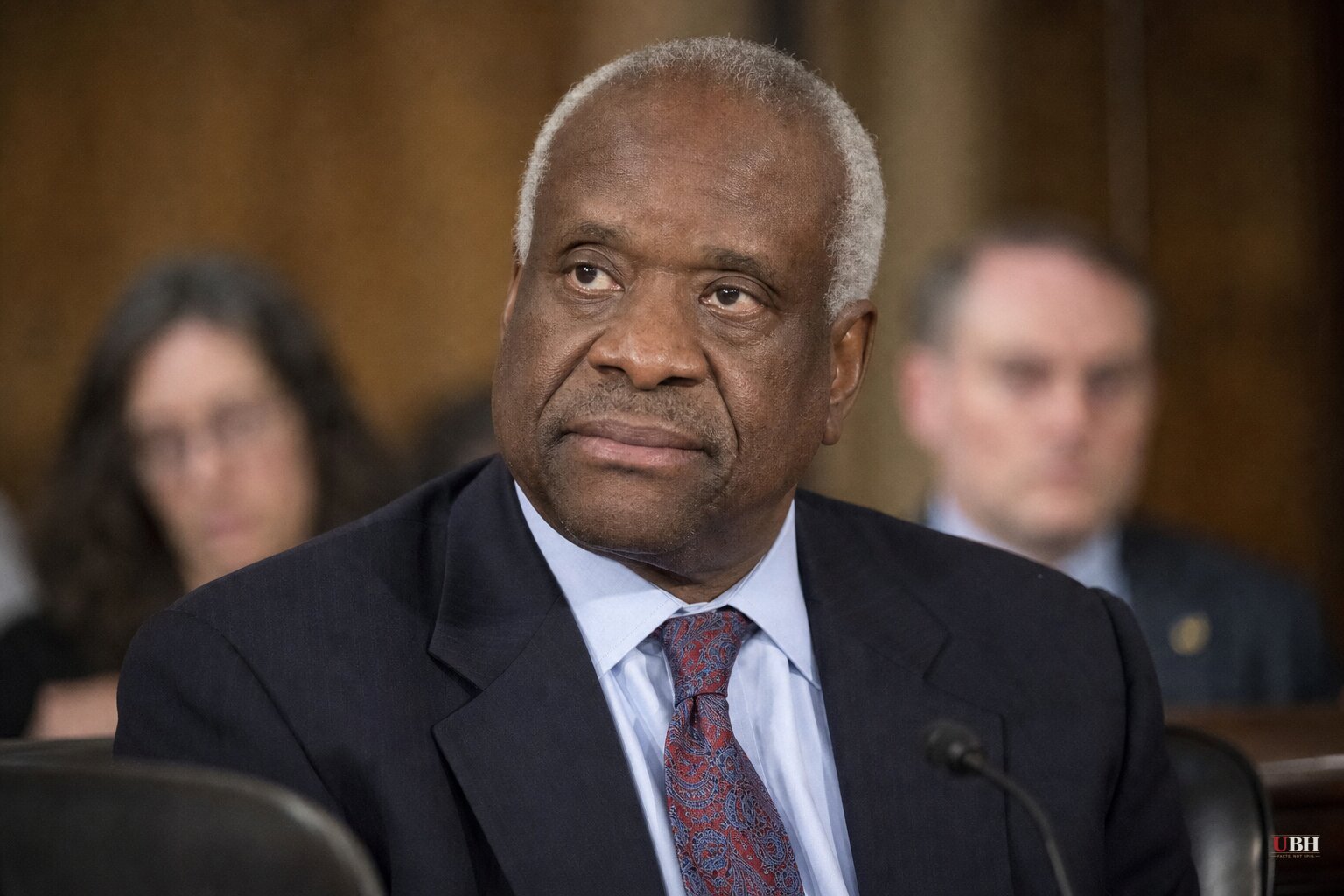
Rep. James Clyburn (D-SC) said Sunday, August 30, 2026, that he backs expanding the Supreme Court from nine justices to 13, putting one of the Democratic Party's most senior Black lawmakers behind a proposal that has moved from fringe talk to mainstream Democratic conversation.
Asked by NBC's Kristen Welker on Meet the Press whether he supported adding four seats, matching a plan former Vice President Kamala Harris raised in July at a National Urban League event, Clyburn didn't hedge. "Yes, I do," he said. "I think that we are in a position now that calls for some significant actions taken by the Congress and we ought to expand. Thirteen is a pretty good number. A baker's dozen would be a good number to have on the court."
Clyburn tied his position to the Reconstruction-era 13th, 14th and 15th Amendments and to the Warren Court's civil-rights rulings, arguing the current Court has "decided to reverse course and take this country back," according to the interview carried on NBC.
Clyburn's regret over Thomas
Earlier in the same appearance, Clyburn said he regrets supporting Clarence Thomas's contentious 1991 confirmation. "I have made mistakes in my life, and that's one that I made, and I will own up to that mistake," he said, according to the Washington Examiner. He said he expected Thomas's background to lead him to uphold the Voting Rights Act and Civil Rights Act, and that Thomas instead "rebelled" against that expectation.
The mechanics of expansion
The Constitution doesn't fix the Supreme Court's size. Article III leaves that to Congress, which set the bench at six seats under the 1789 Judiciary Act and changed it several times before settling on nine in 1869, a number that has held for more than 150 years, as WLT Report noted.
The 13-seat figure Democrats have coalesced around isn't arbitrary. It matches the number of federal judicial circuits, a link Congress once maintained deliberately before breaking it. Adding four seats would require a new law signed by the president, and getting it through the Senate would realistically require either 60 votes or eliminating the legislative filibuster, a step some Democrats have floated but the party has not committed to.
Clyburn's comments matter less for the specific number than for the timing, according to Talking Points Memo's Josh Marshall. He wrote that establishing court expansion as "the consensus Democratic position" ahead of a possible 2029 trifecta requires public commitments now, not a plan sprung on voters after the fact. He credited Clyburn as possibly the first Democrat in House or Senate leadership to endorse expansion outright, noting Speaker-in-waiting Hakeem Jeffries has signaled general openness to reform without attaching a number.
Democrats pushing this argue the Court's legitimacy has eroded with the public. A July Gallup poll found only 33% of Americans approved of the Court, according to eastpointga, which tied that number to rulings including the 2022 Dobbs decision overturning Roe v. Wade and a 2024 ruling granting presidents broad immunity from prosecution for official acts.
The other side of the argument
Republicans and conservative outlets frame this differently. The Washington Examiner described the proposal as "the unprecedented move of adding Supreme Court justices to dilute the influence of conservatives," and Breitbart's coverage placed Clyburn's remarks squarely alongside Harris's earlier call, framing both as an attempt to change outcomes rather than fix a structural problem.
Conservatives object on these grounds: expanding the bench wouldn't remove any sitting justice, including Thomas. It would add four new lifetime seats filled by whichever president and Senate happen to hold power when the law passes. Critics on the right argue this makes the plan less about judicial philosophy and more about vote-counting. Court expansion has been attempted before in American history and rejected by Congress each time since 1869, a point that cuts against treating 13 as some kind of return to normal.
Both camps agree on the facts of what happened Sunday: Clyburn, a senior member of Democratic leadership, publicly committed to a specific number for the first time. What remains unresolved is whether Jeffries, Senate Minority Leader Chuck Schumer, or other Democratic leaders follow with their own explicit endorsements before the 2026 midterms, and whether the party makes court expansion a stated 2028 platform plank rather than an idea floated by individual members.
Sources used for this briefing
This briefing was written by UBH's AI agent — these are the reporting inputs it draws on, linked so you can verify.


