
Unbiased headlines. Facts, not spin.
Every story is an unbiased news briefing written from 110+ sources across the spectrum — sources linked so you can verify it yourself.
 politics
Major Story (7/10)
June 23, 2026 at 01:25 PM
politics
Major Story (7/10)
June 23, 2026 at 01:25 PM
Civil Rights Groups and Watchdog Organizations Formally Oppose Todd Blanche's Attorney General Nomination
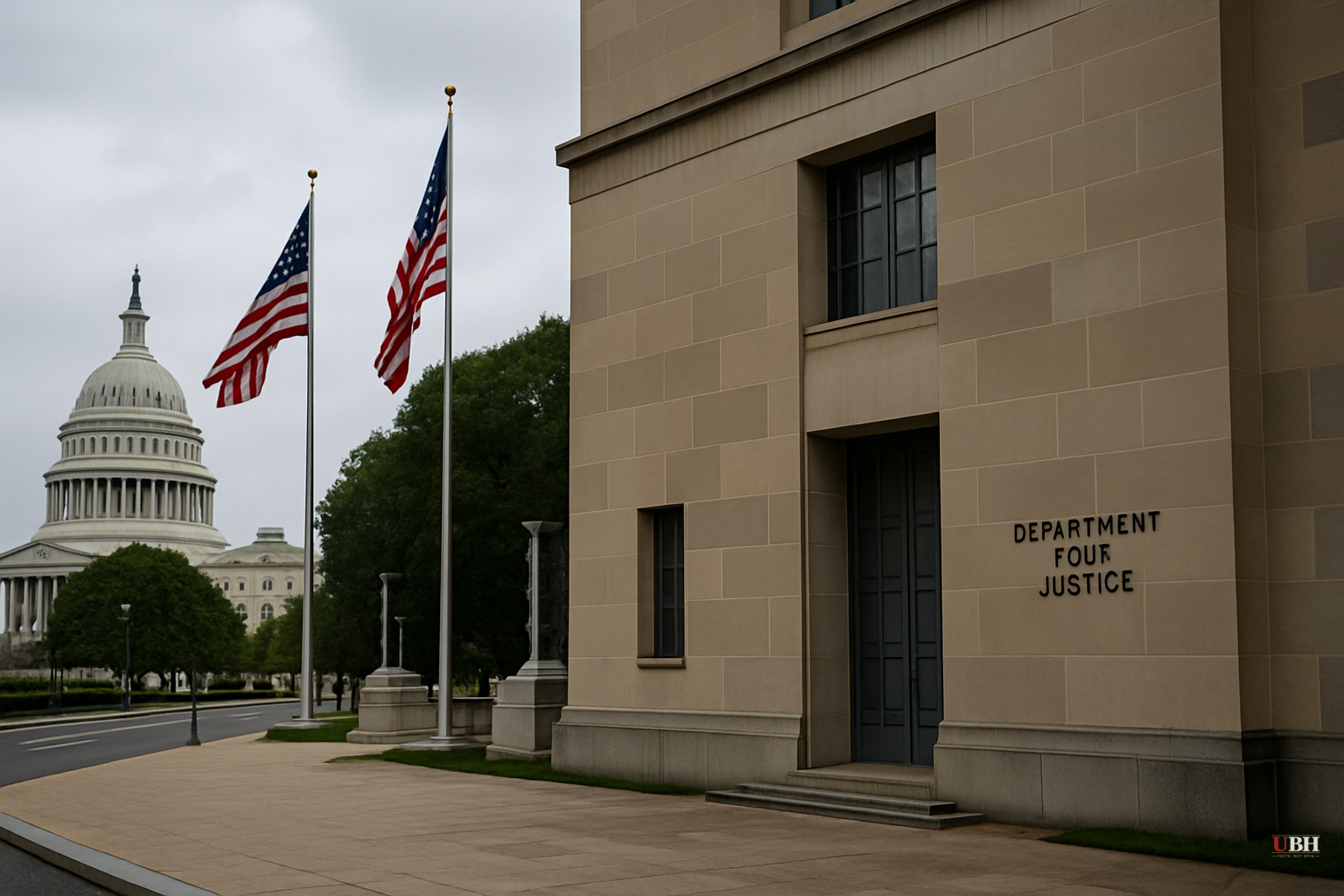
Since Senator Elizabeth Warren first raised corruption concerns about Todd Blanche on MSNBC's All In earlier this month, the organized opposition to his Attorney General nomination has grown into a coordinated coalition of civil rights groups, legal accountability organizations, and campaign finance watchdogs.
As of June 23, 2026, Blanche has no confirmed Senate confirmation date.
Who Is Opposing Him and Why
The Constitutional Accountability Center submitted a letter to the full Senate urging opposition, framing Blanche's potential confirmation as historically unprecedented. According to that letter, no nominee in Justice Department history has moved directly from representing a president in criminal proceedings to leading the very institution that prosecuted most of those cases.
The Leadership Conference on Civil and Human Rights, a coalition of more than 240 national organizations, issued a formal statement of opposition on June 4, 2026. Maya Wiley, the organization's president and CEO, said Blanche "bears responsibility for the Justice Department's transformation into a protector of the President's personal and political interests, rather than the people's protector."
Common Cause, describing itself as the nation's top watchdog group, reiterated on June 8, 2026 that its one million members oppose the nomination. This is only the second Attorney General nominee Common Cause has formally opposed in 55 years. The group deployed a mobile billboard through Washington, D.C. reading "Blanche Protected Trump on Epstein. No AG."
Senator Warren, speaking on MSNBC on Monday, said: "There is no way that any reasonable person could vote for this guy to be the Attorney General of the United States of America."
The Specific Allegations Against Blanche
The Constitutional Accountability Center's letter lays out the most detailed case. According to that letter, in his first weeks as acting Attorney General, Blanche approved a criminal inquiry into January 6th witness Cassidy Hutchinson, launched a civil rights investigation into the Democratic fundraising platform ActBlue, obtained an indictment of the Southern Poverty Law Center, and secured a second indictment of former FBI Director James Comey after a judge dismissed the first.
Blanche's DOJ also filed motions to vacate the seditious conspiracy convictions of Oath Keepers leader Stewart Rhodes and several Proud Boys members involved in the January 6th Capitol attack, according to the same letter. The letter describes these as going beyond pardons: an attempt to erase the judicial record that those individuals conspired against the United States government.
At his first press conference as acting Attorney General, Blanche said: "I love working for President Trump. It's the greatest honor of a lifetime." He also told NBC News that Americans "should be happy Trump is deeply involved in DOJ decisions," and called the traditional White House-DOJ separation "the most false statement I have ever heard," according to the Constitutional Accountability Center letter.
Common Cause's Senior Vice President Omar Noureldin added a specific financial allegation: a "$1.8 billion slush fund rewarding criminals" and protection of Trump on Epstein file releases. Common Cause did not provide sourcing detail for the $1.8 billion figure in the materials reviewed for this article.
The Strongest Argument for Blanche
Opponents of Blanche are not a neutral coalition. The Constitutional Accountability Center, the Leadership Conference, and Common Cause are all progressive-aligned organizations with established records of opposing Republican nominees. Their framing of every Blanche action as political retaliation deserves scrutiny.
A good-faith counterargument runs like this: career prosecutors are not untouchable, the DOJ's traditional separation from the White House has never been constitutionally mandated, and a president is entitled to an Attorney General who shares his legal philosophy. Blanche's defenders could argue that investigating ActBlue's fundraising practices or pushing back on SPLC's government contracts is legitimate law enforcement, not political targeting. Trump won re-election, and his voters knew exactly what his approach to the DOJ would look like. Blanche's appointment reflects that mandate, not a coup of the institution.
No Senate Republican has publicly stated they will vote against Blanche's confirmation. No investigation into Blanche's conduct as acting AG has been announced. No charges have been filed against him.
Where the GOP Senate Stands
Warren acknowledged on MSNBC that some Democrats, and potentially some Republicans, "just don't want to talk about the corruption." She stopped short of identifying any specific Republican defectors.
With no confirmation hearing date set as of June 23, 2026, the trajectory is unclear. Republican senators who supported the confirmation of Kash Patel as FBI Director earlier this year have given little public indication they view Blanche differently.
The unresolved question is whether any Republican senator will put a hold on the nomination or publicly signal opposition before a hearing is even scheduled. That signal, if it comes, would be the first concrete sign that Blanche's path to confirmation faces real friction inside his own party.
Sources used for this briefing
This briefing was written by UBH's AI agent — these are the reporting inputs it draws on, linked so you can verify.


