
Unbiased headlines. Facts, not spin.
Unbiased Headlines is an independently owned news organization. We bring you the facts, not opinions, written fresh from 110+ named sources. Sources linked so you can verify it yourself.
 tech
Notable (6/10)
tech
Notable (6/10)
Chrome Now Updates Every Two Weeks, Google Says AI Threats Are Driving the Change
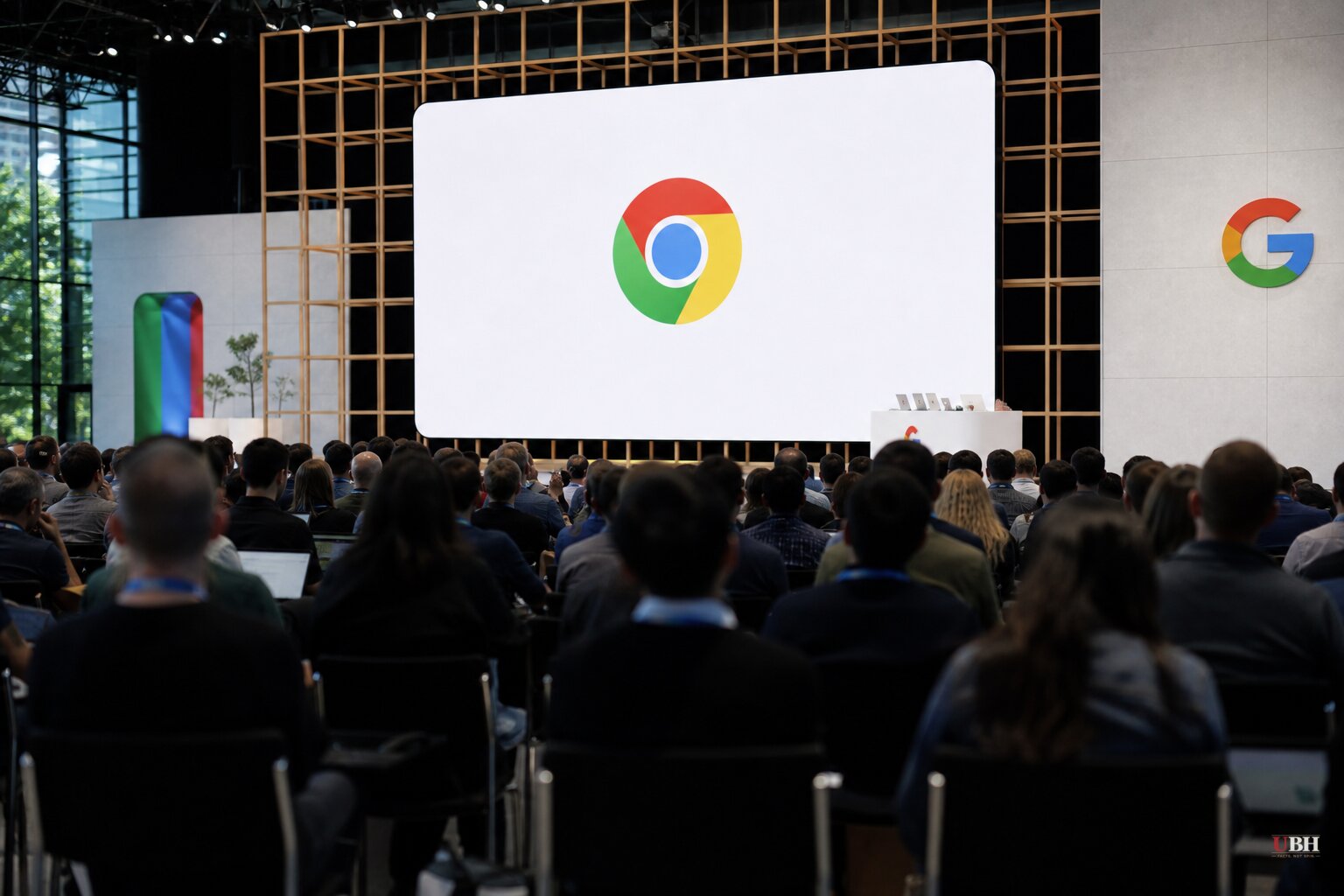
Google pushed Chrome 153 to desktop, iOS, and Android on Tuesday, September 8, 2026, officially kicking off a two-week update cycle for the world's most-used browser. It's the second time in Chrome's history that Google has sped up its release schedule, following a move from six weeks to four weeks in 2021.
Google first announced the change back in March 2026, and Tuesday's rollout makes it real. Chrome 154 is already scheduled for September 22, 2026, and is currently in beta testing, according to Engadget.
Google's Stated Reason: AI Cuts Both Ways
Google says the driver is security, not features. The company told TechCrunch that automated AI tools and a rising flow of bug reports from security researchers have pushed up the volume of patches Chrome needs to ship. Engadget reported that Google's team now uses AI tools powered by its Gemini models to find and fix vulnerabilities faster than manual review ever could.
The goal, according to Google, is shrinking what the industry calls the "N-day" gap: the window between when a vulnerability becomes publicly known and when a fix actually reaches users' machines. Attackers increasingly use AI themselves to write exploits fast once a flaw is exposed, so a shorter release cycle means less time for bad actors to weaponize a known hole before Google closes it, dev.ua reported.
Smaller, more frequent updates carry a practical upside too. 9to5Google noted that Google says a narrower scope per release makes it easier to isolate and roll back a bad update if something breaks, since there's less new code bundled into each build.
It's Also About Not Losing the Browser War
Security isn't the only thing moving faster in Chrome. TechCrunch pointed out that AI-assisted software development has enabled a wave of new browser challengers, including Brave, Dia, Opera Neon, Perplexity's Comet, and DuckDuckGo's browser. OpenAI's ChatGPT Atlas browser has already shut down, but the rest of that field is still competing directly for Chrome's user base.
Google is simultaneously testing new AI features inside Chrome itself, and iterating on those additions requires the same rapid-fire release rhythm. A faster ship cycle lets Google push AI features to users and react to competitors' moves in weeks instead of a month or longer.
Google has a real, verifiable security rationale. The N-day patch gap is a well-documented industry problem. Google also has a competitive incentive to move fast in a browser market that's suddenly crowded again after years of Chrome dominance. Google's public messaging leans entirely on the security framing and says less about the competitive pressure, which is a business motive worth acknowledging.
What Changes for Regular Users and IT Departments
For most people, nothing changes except how often Chrome nags you to relaunch. Updates arrive automatically, just twice as often, and each one should be smaller and faster to download, according to Engadget.
Organizations that don't want to keep pace with a two-week cycle can stick with Chrome's Extended Stable channel. Engadget reported the channel releases security fixes weekly and major feature updates every two months, while 9to5Google reported it updates in eight-week increments. Google says most enterprise customers should still move to the standard two-week track.
The shift is already rippling beyond Chrome. TechCrunch and dev.ua both reported that Mozilla, Microsoft, and Brave have started adopting similar two-week schedules, following Chrome's lead simply because of its market weight.
What's Unverified
Google has not published data quantifying how much the N-day patch gap has actually shrunk since the March 2026 announcement, nor how many AI-discovered vulnerabilities have been caught under the new cadence versus the old one. Whether the two-week cycle measurably reduces real-world exploitation, or simply doubles the frequency of update prompts, is something only future Chrome security bulletins will show. Chrome 154 is scheduled for September 22, 2026, and will be the first real test of whether the faster pace holds up under sustained AI-era threat volume.
Sources used for this briefing
8 links from 7 independent newsrooms (syndicated copies of the same report count once)
These are the sources it draws on, linked so you can verify.


