
Original briefings. Zero spin.
Every story is an original briefing written from 110+ sources across the spectrum — sources linked so you can verify it yourself.
 tech
Notable (6/10)
August 21, 2026 at 05:05 AM
tech
Notable (6/10)
August 21, 2026 at 05:05 AM
China's Bilibili Drops ID Checks, Launches Global App to Compete With YouTube
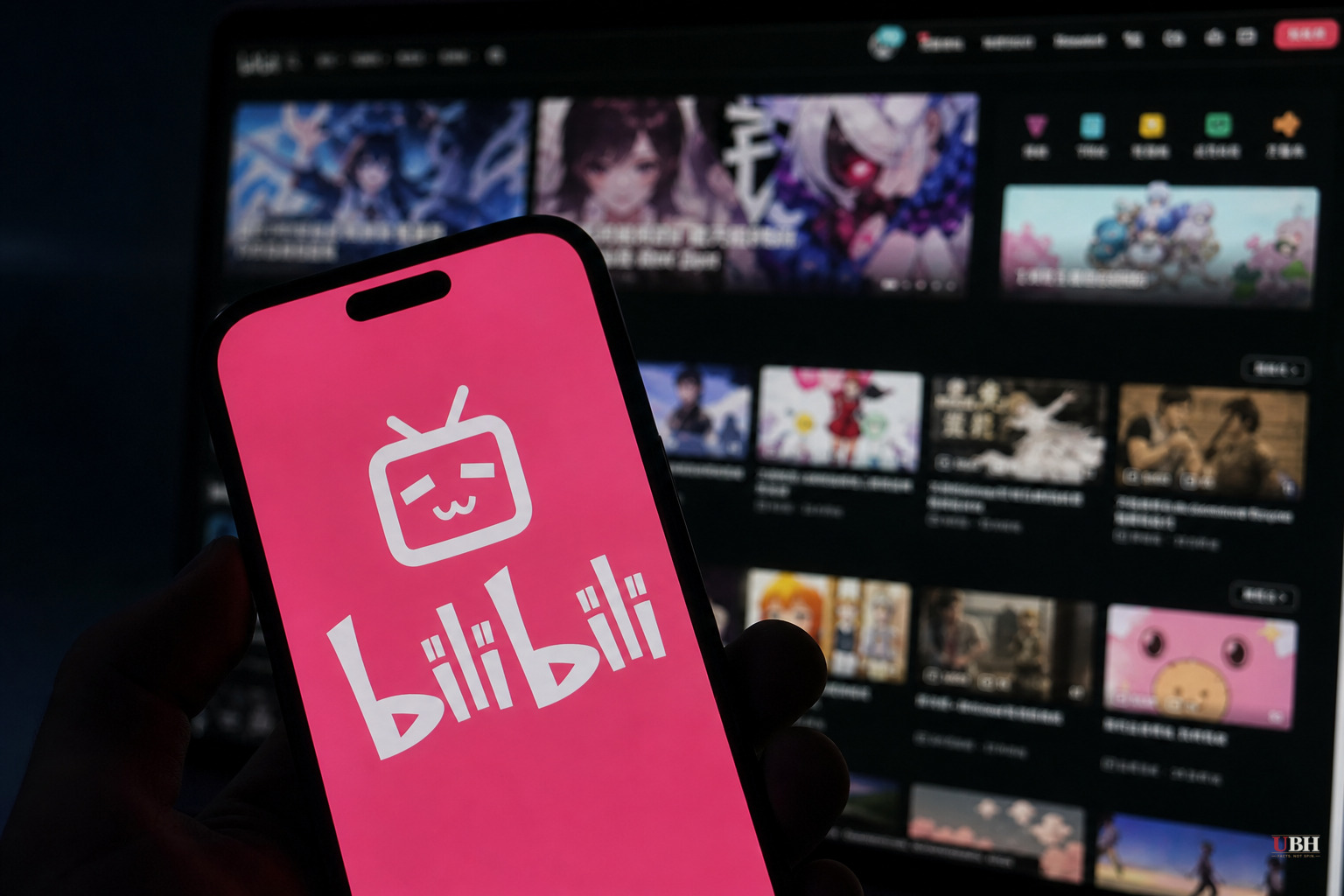
China's Bilibili Drops ID Checks, Launches Global App to Compete With YouTube
Bilibili just made it a lot easier for Americans to sign up for a Chinese-owned video platform. No passport required anymore.
The company relaunched its international app on Android this week, according to Semafor, which first reported the expansion based on job listings, internal marketing materials, and Discord chats with creators. An iOS version is coming, per an X post from what Semafor describes as a newly created account marketing the platform to global creators. Bilibili did not respond to Semafor's request for comment, and the company has made no public statement explaining the strategy.
Overseas users used to need a passport or other government ID to post on Bilibili's main Chinese site, even from outside China. That requirement is gone in the new global app. The app also now mixes Chinese and international content in a single feed, and the company's own account on X said content on the US and Chinese versions will be "the same."
376 Million Users and Counting
Bilibili isn't a startup. Founded in 2009 as a niche anime and gaming community, it's grown into one of China's largest video platforms with 376 million monthly active users, according to figures cited by Semafor, The Next Web, and storyboard18. Tubefilter notes it ranks among the top 100 most-visited websites in the world.
The company is backing its global push with real hiring, not just an app update. Job listings show community manager roles open in Los Angeles, London, Mexico City, São Paulo, Istanbul and Tokyo, according to Semafor and confirmed by multiple other outlets including The News International and news9live. A Singapore-based listing details plans for "AI-powered content moderation systems," per Semafor.
Bilibili has already tested the waters with Western talent. MrBeast, the largest creator on YouTube, has been posting to Bilibili's Chinese site since 2024 and reportedly picked up millions of views there, according to Tubefilter. Internal materials reviewed by Semafor pitch the platform to creators as a place to reach an audience that's "Gen Z Coded, affluent and well-educated," with a brand sponsorship marketplace "in development."
The TikTok Question Nobody's Answering
Every outlet covering this story raises the same obvious comparison. TikTok, owned by China's ByteDance, got hammered by Congress and the White House over national security concerns tied to Chinese ownership, and eventually was forced into a sale of its US operations. Engadget flatly asks whether Bilibili will get "the TikTok treatment" if it grows big enough to matter.
No US investigation, no congressional inquiry, and no charges have been announced against Bilibili as of this writing. There's no evidence in these reports that Bilibili has done anything TikTok didn't already do. But the concern from TikTok's critics wasn't hypothetical: a foreign adversary government having potential access to American user data and content algorithms. Bilibili dropping ID verification while pulling US and Chinese content into the same feed is going to draw that same scrutiny eventually, especially if American creators start actually moving traffic there.
The Next Web notes that Europe already has a regulatory hammer ready for this, and it doesn't need a TikTok-style forced sale to swing it. The EU's Digital Services Act kicks in automatically once a platform hits 45 million monthly users in the bloc, triggering audits, risk assessments and researcher data access. Brussels already fined Temu, another Chinese company, €200 million under the DSA over unsafe products. If Bilibili's global numbers climb into that range, it faces the same regulatory bet Temu and AliExpress already made and lost on.
Not Everyone Buys the Hype
Tubefilter points to a cautionary tale worth remembering: RedNote, the international arm of China's Xiaohongshu, tried to capitalize on the 2025 TikTok ban scare by courting American users directly. It flopped. Once TikTok's US business got secured, Americans treated RedNote as a novelty and moved on.
Bilibili's pitch is different, built around real monetization tools like its danmu comment system, which lets viewers post scrolling comments creators can turn into revenue, plus direct fan funding. Whether that's enough to pull creators away from YouTube's ad revenue share or TikTok's Creator Fund is unproven. YouTube itself isn't sitting still either, according to Bloomberg reporting cited by Engadget, with the platform reportedly negotiating deals to pay top channels to post exclusively rather than splitting content across competitors.
Bilibili's English-language website is still described as "coming soon" in materials shared with creators, per Semafor. Until it launches, and until American or European regulators say anything at all about the platform's data practices, the question is whether the US treats a Chinese video platform with growing American user data the same way twice, or whether Bilibili slides through the same door TikTok got shoved out of.
Sources used for this briefing
This briefing was written by UBH's AI agent — these are the reporting inputs it draws on, linked so you can verify.


