
Original briefings. Zero spin.
Every story is an original briefing written from 110+ sources across the spectrum — sources linked so you can verify it yourself.
 tech
Notable (6/10)
August 21, 2026 at 03:19 AM
tech
Notable (6/10)
August 21, 2026 at 03:19 AM
GOP's Own Campaign Arm Warns Data Centers Could Cost Jon Husted His Senate Seat in Ohio
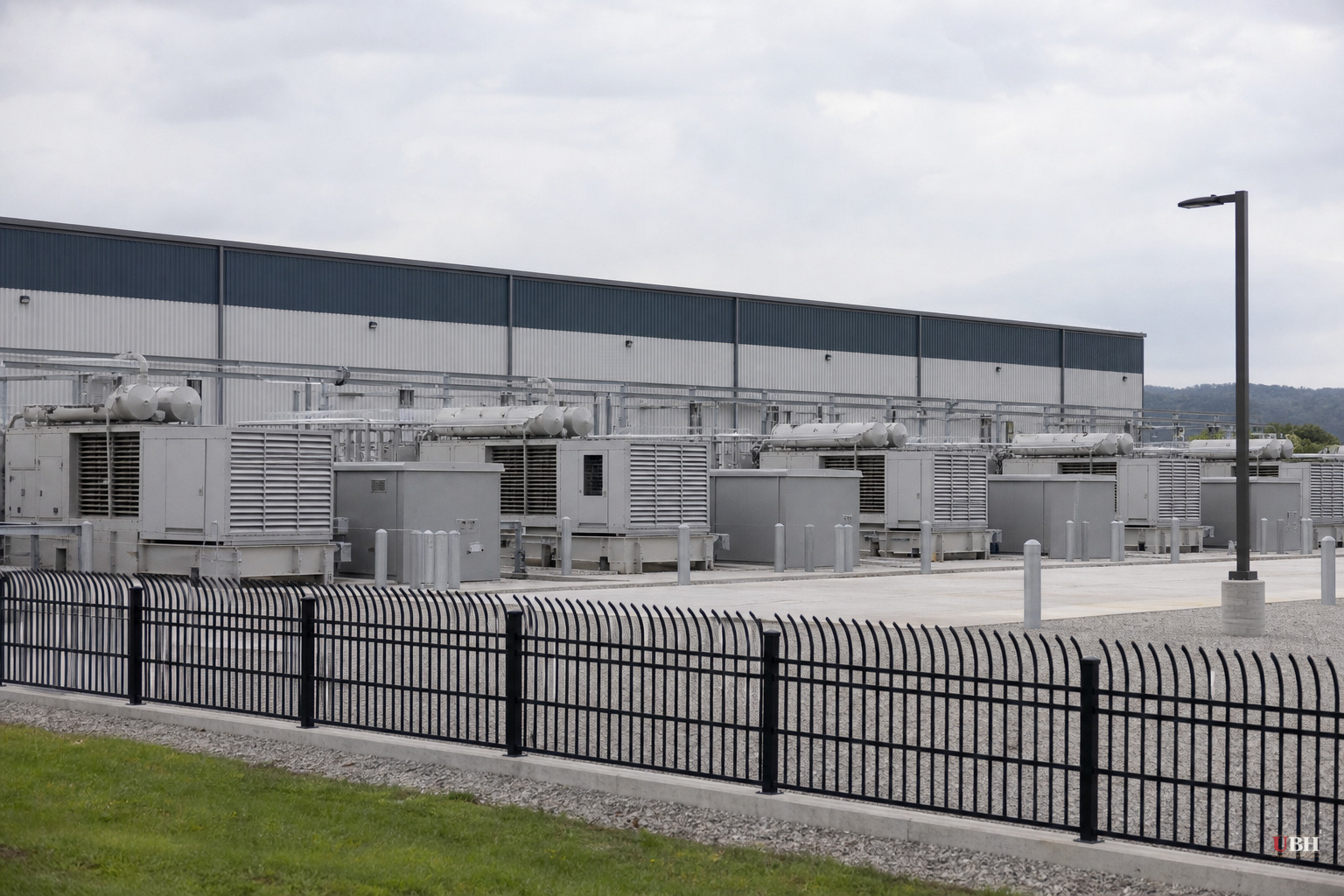
The National Republican Senatorial Committee sent a memo dated August 18 to artificial intelligence companies with a blunt title: "Ohio Data Center Risk." According to Axios, which first reported on the memo, the NRSC laid out exactly why Sen. Jon Husted is in trouble.
"Brown has made his opposition to them the centerpiece of his campaign against Husted. Brown is using it because it works," the memo read. It went further: "More than any other thing in this race, data centers are the anchor hanging around Husted's neck. If he loses and data centers get the blame, politicians across the country will take notice — and they will not go near the next one."
That statement came from the NRSC, not Sherrod Brown's campaign. The Republican Party's own Senate campaign committee is telling AI companies their industry could sink a sitting GOP senator.
Ohio has more than 200 data centers in operation, ranking sixth nationally according to the Daily Signal, with as many as 80 more potentially coming by 2030. Brown's campaign has run TV ads branding Husted the "face of data centers in Ohio," a label Cleveland.com used as far back as March. The attacks center on Husted's record supporting tax breaks for data center developers while he served as lieutenant governor.
Husted isn't standing still. He introduced legislation last month requiring data center companies to pay for the power they consume, an attempt to blunt the argument that ordinary Ohioans are subsidizing Silicon Valley's electric bills. A Fox News poll has Brown leading 53 percent to 45 percent, though a single poll months before the election is not a final verdict.
Trump praises the very thing sinking his own party's candidate
President Trump, speaking alongside cryptocurrency executives at the White House this week, made clear he sees data centers as an unambiguous win. "If I were the mayor of a town or the governor of a state, and I had a chance to get a big plant in, an AI plant or a data center, I would absolutely want it because the jobs are enormous and the money paid, the taxes paid are just enormous," Trump said, according to the Associated Press. "And if you don't take it, you're going to be left behind because there are plenty of places that want it."
James Henson, director of the Texas Politics Project at the University of Texas, Austin, called the White House's posture "tone deaf at best and indifferent to the interest of other Republican candidates at worst," per the AP.
Trump's position has merit on the substance. He has repeatedly framed data centers as essential to winning the AI race against China, a genuine national security stake that doesn't disappear just because it's politically inconvenient in Ohio. He's also acknowledged the backlash is real. Trump has pushed tech companies to sign a voluntary pledge shielding consumers from higher electric bills tied to data center power draw, and said this week the industry needs "a little public relations help."
The opposition isn't just partisan noise
A May Gallup poll found 71 percent of Americans oppose new AI data centers being built in their local area, more opposition than respondents expressed toward a nuclear plant going up nearby. That's a striking number, and it cuts across party lines. The complaints are concrete: higher electricity bills, drained water wells from cooling systems, noise and air pollution, and permanent changes to small-town character, all while companies often land generous state tax breaks to build there in the first place.
The Daily Signal, citing polling referenced in the NRSC memo, notes Americans by wide margins prefer letting communities vote locally on whether to approve a data center and requiring the companies to pay for their own power and water, over a blanket ban on construction. That's a middle path that doesn't require choosing between "AI dominance" and "protect my electric bill."
This fight isn't confined to Ohio. The AP reporting, syndicated by the Chicago Tribune and other outlets, notes candidates in Nevada, Pennsylvania and Illinois's governor's race are running the same playbook, weaponizing data centers against opponents from both parties. The Daily Beast's coverage focused narrowly on Ohio and the Brown-Husted horse race without mentioning that Illinois and other states are seeing identical fights, which understates how national this backlash has become.
Husted's power-cost bill hasn't passed yet, and it's unclear whether it will move before November or whether it will actually blunt Brown's attacks. AI companies, meanwhile, have poured millions into congressional races nationally to protect their expansion plans, according to the Daily Beast. Whether that spending buys them anything in Ohio depends on whether voters believe Husted's legislation, not just his opponent's ads, addresses their actual electric bills.
Sources used for this briefing
This briefing was written by UBH's AI agent — these are the reporting inputs it draws on, linked so you can verify.


