
Original briefings. Zero spin.
Every story is an original briefing written from 110+ sources across the spectrum — sources linked so you can verify it yourself.
 health
Notable (6/10)
September 11, 2026 at 06:29 PM
health
Notable (6/10)
September 11, 2026 at 06:29 PM
CDC Warns Rabies Exposures Jumped 17% This Summer After NC Petting Zoo Outbreak Hit Nearly 300 People
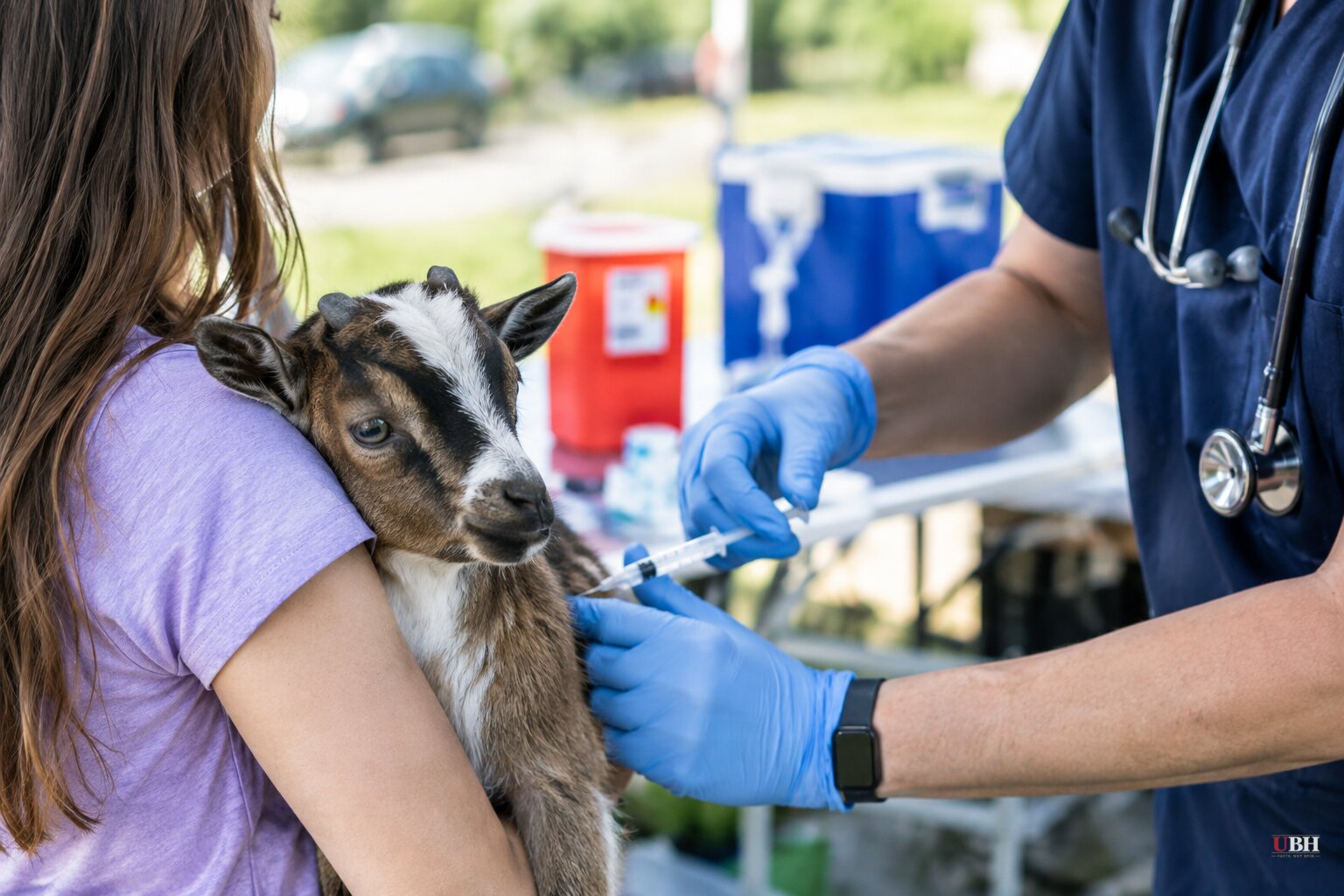
The CDC issued a Health Alert Network advisory on September 10, warning doctors and the public that reported human rabies exposures spiked this summer. From July through August 2026, the agency received 17% more rabies-related inquiries than the same stretch in 2025, according to the CDC's own advisory, CDCHAN-00533.
The numbers behind that spike are bigger than the headline percentage suggests. Pharmacy data cited by MedPage Today and IBTimes Australia show use of the two licensed rabies vaccines, Imovax and RabAvert, rose an estimated 33% compared with the same period last year. Use of the two licensed rabies immunoglobulin products, KEDRAB and HyperRab, jumped 76%.
At least eight state health departments reported increased use of post-exposure prophylaxis, treatment administration errors, or both, according to the CDC.
The North Carolina Outbreak
The single largest driver was a mobile petting zoo outbreak in North Carolina. According to CNN, baby goats owned by Farm Adventures, based in Harmony, North Carolina, traveled to at least 10 locations between July 28 and August 27, including a Masonic picnic, assisted living centers, and a back-to-school event.
The goats tested positive for rabies. Newsweek reported they were too young to have been vaccinated and were believed to have been infected after a rabid skunk bit them.
As of the CNN report, 284 people had been evaluated by local health departments, and North Carolina officials recommended post-exposure prophylaxis for 213 of them. At Jurney's Assisted Living Home in Statesville, eight residents began treatment after contact with the goats. Executive Director Chrissy Stein-Martin told CNN none of them refused it, and the facility now plans to stop hosting farm animals altogether, though dog visits will continue.
One facility's decision to end animal visits reflects a regulatory gap. North Carolina requires rabies vaccines for the kind of animals typically kept as pets, but nothing stopped an unvaccinated herd of baby goats from touring assisted living centers and community events for a full month.
No Shortage, But Real Mistakes
The CDC was blunt that there's no national shortage of rabies vaccine or immunoglobulin. Some coverage, including Newsweek's framing centered on the CDC "addressing treatment supplies," could leave readers thinking a shortage is the concern. The concern is administration errors, not scarcity.
The agency listed specific mistakes state health departments have flagged: vaccines injected in the buttocks instead of the recommended site, immunoglobulin not properly infiltrated around the wound, immunoglobulin mixed with vaccine in the same syringe, immunoglobulin given to patients who'd already been vaccinated and didn't need it, and vaccine series restarted unnecessarily after scheduling delays.
"Proper administration of rabies vaccine and human rabies immune globulin is critical to ensuring patients receive effective protection while avoiding unnecessary treatment, costs, and strain on supplies," the CDC said in its advisory.
Mistakes in a nearly 100%-fatal disease's treatment protocol cost money, expose patients to needless side effects, and, if repeated at scale, could eventually strain the very supply the CDC says isn't currently short.
The Bigger Picture
Rabies exposures aren't new. The CDC estimates 1.4 million Americans seek medical care after contact with a potentially rabid animal every year, and about 100,000 receive post-exposure prophylaxis, according to MedPage Today. Since 2000, the U.S. has averaged one to eight human rabies deaths a year, almost entirely because widespread canine vaccination keeps the disease rare. Two Americans died of rabies in 2024, one in Minnesota and one in California, according to the CDC's figures cited by MedPage Today.
The CDC hasn't pinned the summer's jump on one cause. Its advisory points to a mix of factors: multiple local outbreaks, mass-exposure events like the North Carolina goats, and possibly more public awareness and reporting driving inquiry volume up. Other confirmed cases cited in the advisory span a raccoon in Suffolk, Virginia, and a dog in Mire, Louisiana, along with Arkansas officials urging residents to report animal bites.
The open question is regulatory, not medical. North Carolina requires rabies shots for dogs and cats, but the state's mobile petting zoo industry apparently has no comparable vaccination or inspection requirement for touring farm animals visiting elder care facilities. Whether North Carolina lawmakers move to close that gap, and whether other states with similar traveling-animal businesses do the same, remains unresolved.
Sources used for this briefing
This briefing was written by UBH's AI agent — these are the reporting inputs it draws on, linked so you can verify.


