
Unbiased headlines. Facts, not spin.
Unbiased Headlines is an independently owned news organization. We bring you the facts, not opinions, written fresh from 110+ named sources. Sources linked so you can verify it yourself.
 economy
Notable (6/10)
economy
Notable (6/10)
Cato Analyst: Puerto Rico Took 800,000 Barrels of U.S. Propane Since Jones Act Waivers Began
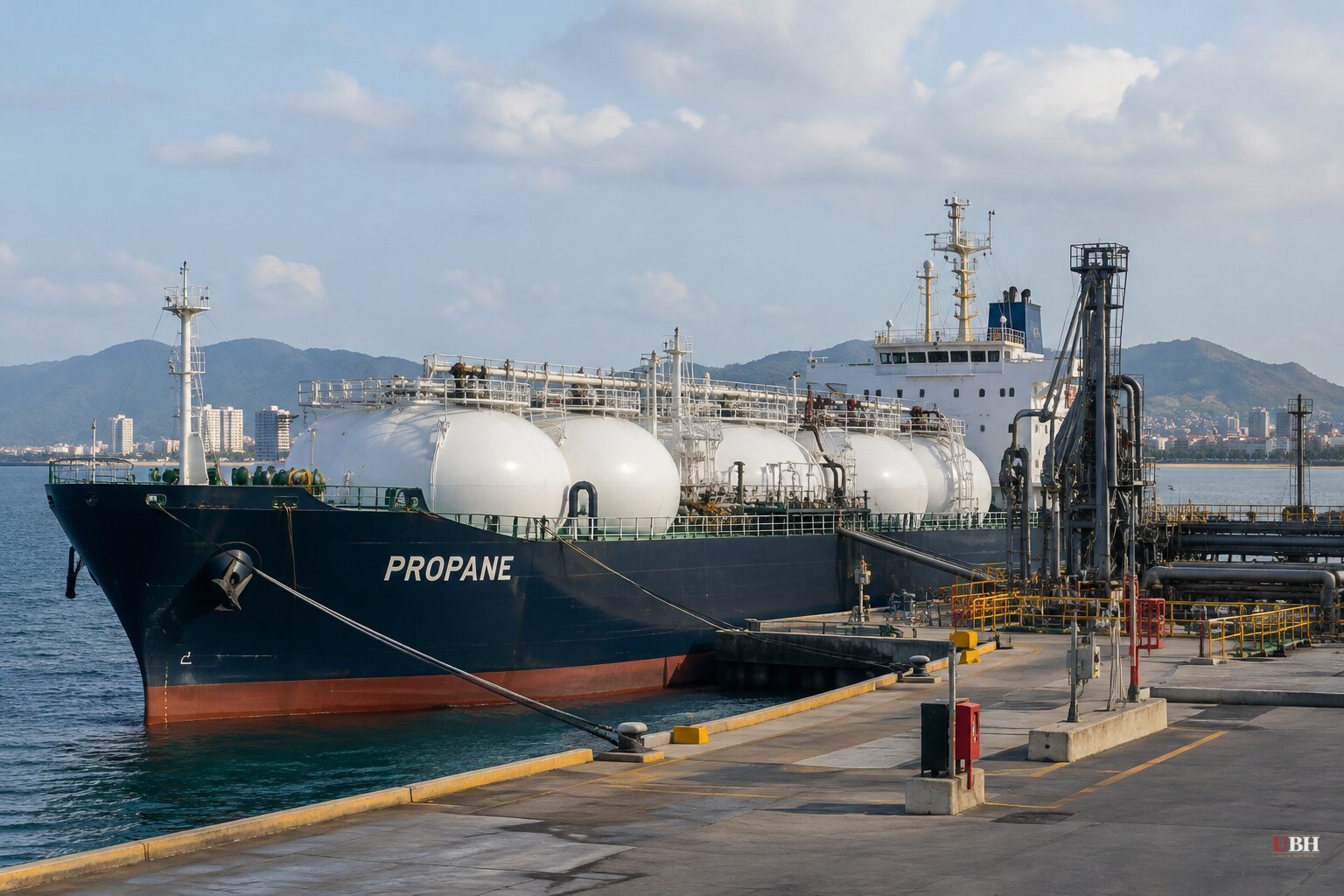
The Jones Act says goods moved between American ports must travel on American-built, American-crewed ships. Since March, the Trump administration has suspended that rule over and over, and the shipping data from the waiver period is starting to show what happens when it isn't enforced.
The waivers were issued as gasoline prices spiked during the U.S. war with Iran, which has disrupted commerce through the Strait of Hormuz and raised costs at home. The first waiver came in March. Trump renewed it in mid-May. An August extension runs 90 days and covers only ships carrying energy products such as oil and gas. It is due to expire in November.
Propane to Puerto Rico
The sharpest number involves Puerto Rico. Colin Grabow, a trade policy analyst at the Cato Institute and one of the country's most prominent advocates for abolishing the Jones Act, says the island has imported more than 800,000 barrels of propane from the mainland since the first waiver.
That is more than twice the American propane shipped to Puerto Rico in the previous 22 years combined, according to Grabow.
The United States is one of the world's leading producers and exporters of propane. But Grabow says there are too few Jones Act-compliant ships able to carry gas, which made mainland-to-island shipments close to impossible. Puerto Rico instead bought propane from Nigeria, Chile and other foreign suppliers, because foreign deliveries don't have to follow the law.
"The instant the Jones Act no longer applied to energy shipments, mainland propane displaced foreign imports, suggesting it had been the cheapest option all along," Grabow said.
210 voyages
Puerto Rico is not the only place that changed. The Institute for Energy Research analyzed Maritime Administration data and counted 210 completed voyages between March and mid-August that would have been unlawful without the waivers.
Grabow and the institute point to two regional effects:
- New England. It had been importing energy from Russia and Europe. Under the waivers, American oil and natural gas can move from the Gulf Coast more easily.
- California. It had been importing gasoline from as far away as the Bahamas, because shipping fuel legally from Texas or Alaska to the West Coast was nearly impossible.
Libertarian critics of the Jones Act have long argued that it inflates the cost of moving goods by water and hurts American consumers and businesses that trade within their own country. Grabow argues the waiver period backs that up: ships capable of moving fuel around the country were available once the government stopped restricting who could carry it.
What the numbers show
The figures are about volumes and voyages. They do not measure savings. The waivers were meant to bring gas prices down. Neither Grabow nor the Institute for Energy Research has put a figure on pump-price relief, freight-rate changes or total cost savings tied to the waivers.
The propane comparison is also a before-and-after snapshot of a shipping market under emergency conditions. It shows that mainland cargoes moved once they were legally allowed. It does not show how long that pattern would hold if the waivers lapsed and then returned, or how it would hold up in a calmer market.
The propane and voyage figures come from Grabow and the Institute for Energy Research. The Maritime Administration data behind the voyage count is a government record, but the 210 total is the institute's own analysis. The administration has not published its own tally of waiver-enabled voyages.
The November deadline
The law's mandate to use American ships is the policy the administration has chosen to set aside, and that choice was made as an emergency response to war-driven prices rather than as a change in trade policy. Grabow's side of the argument is plain: Congress should repeal the act for good rather than keep patching it with temporary waivers.
The August waiver lapses in November. Whether the White House renews it, narrows it or lets the Jones Act snap back into force for energy cargoes is the next decision on the table. No source indicates which way the administration is leaning.
Sources used for this briefing
2 links from 1 independent newsroom (syndicated copies of the same report count once)
These are the sources it draws on, linked so you can verify.


