
Original briefings. Zero spin.
Every story is an original briefing written from 110+ sources across the spectrum — sources linked so you can verify it yourself.
 politics
Major Story (7/10)
September 1, 2026 at 07:33 AM
politics
Major Story (7/10)
September 1, 2026 at 07:33 AM
Carney's Liberals Sweep All Three Canadian Byelections as Trade War With Trump Escalates
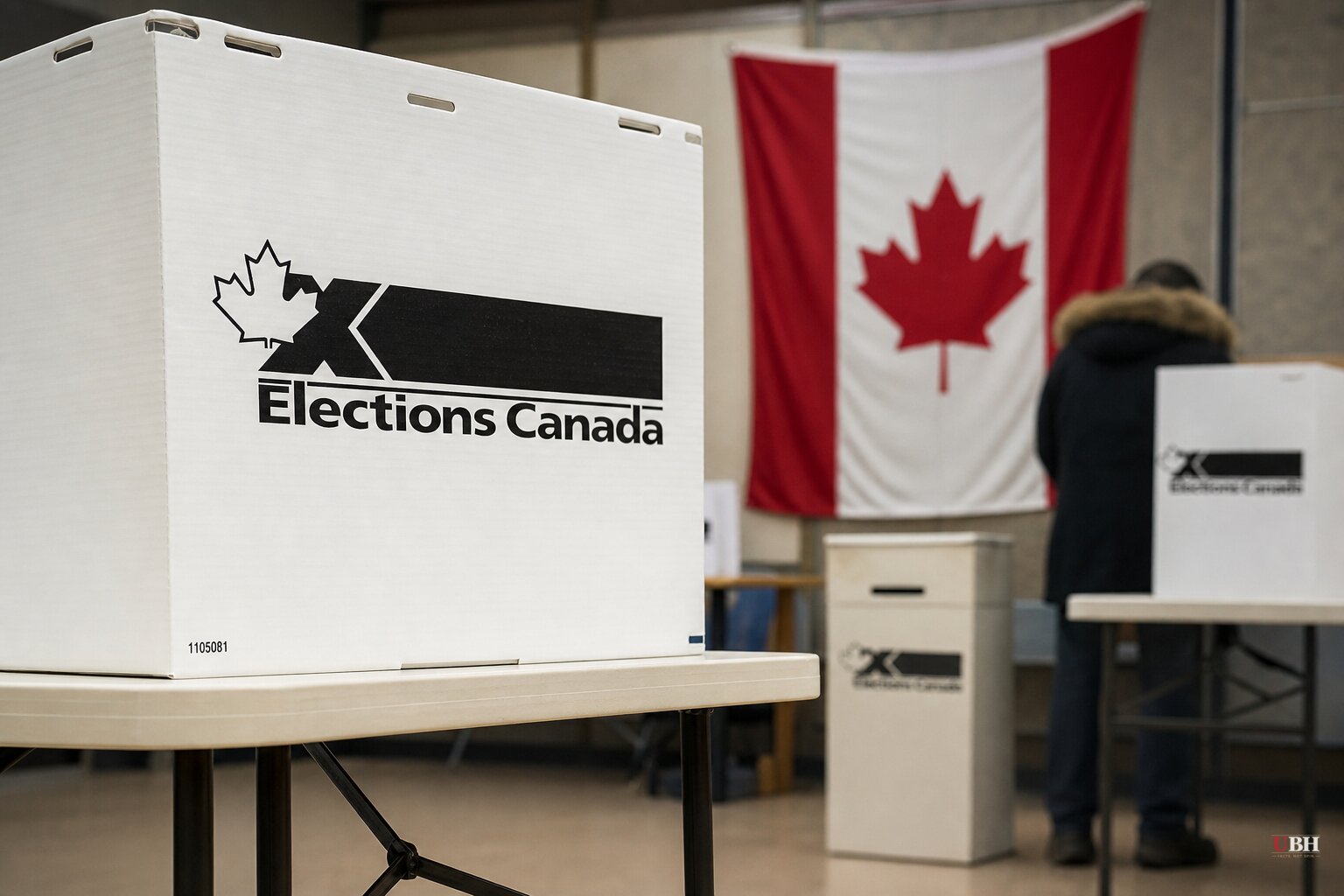
Canada's Liberal Party swept all three special elections held Monday, August 31, according to projections from the Canadian Press. The results padded Prime Minister Mark Carney's parliamentary majority to 173 of 343 seats in the House of Commons.
The biggest flip came in Chicoutimi-Le Fjord, Quebec, a district the opposition Conservatives had held since 2018. Liberal candidate Daniel Gobeil won there, according to La Nación's reporting on the Associated Press wire. "This victory means we can maintain Canadian unity all across the country," Gobeil said.
The other two seats, Beaches-East York in Toronto and North Vancouver-Capilano in British Columbia, were already Liberal-held. Braeden Caley, Carney's former deputy chief of staff, won the B.C. seat. Liberal lawmaker Hedy Fry told the Canadian Broadcasting Corporation the results sent "a message" to the United States that "our leader has the support of the Canadian people."
Carney posted on X that voters had "placed their trust" in his government "at this consequential time for Canada," adding that "Canada is being tested in a changing world, and Canadians are up for it." A poll from late August cited by Channel NewsAsia found 76 percent of Canadians approved of Carney's stance toward Washington.
The Tariff Fight Behind the Vote
The byelections landed in the middle of a trade war that's gotten uglier by the week. Talks between the U.S. and Canada collapsed on August 21, and President Donald Trump responded with 50 percent tariffs on roughly $20 billion in Canadian goods, hitting alcohol, dairy, consumer electronics, and appliances starting August 22, according to La Nación's AP report. Canada answered with its own counter-tariffs and is set to raise its duties on U.S. steel and aluminum from 25 percent to 50 percent on September 8, per the Epoch Times. Trump has separately said he'll add 50 percent tariffs on Canadian autos starting in 2027.
Trump also signed an executive order renaming Lake Ontario "Lake America," a move Quebec's provincial government has since reversed on its own official maps, according to CTV News. Treasury Secretary Scott Bessent told reporters Monday that Canada has limited leverage because the U.S. economy is roughly 13 times larger, La Nación reported. Trump has repeatedly floated making Canada the 51st state.
Carney has accused U.S. negotiators of seeking restrictions on Canada's trade deals with other countries and of making "unacceptable threats" to Quebec's French-language protections. Trump, in turn, has accused Carney of using that framing to "gain political support" domestically, according to the Epoch Times.
Both Governments Are Playing Politics With Trade
Canada's counter-tariffs aren't randomly distributed. Finance Minister François-Philippe Champagne called them "proportionate, targeted, and strategic" when announcing them August 25, and the Epoch Times reported the targeted goods hit swing states directly relevant to November's U.S. midterms, including Michigan and Maine. Ontario Premier Doug Ford was blunt about the intent: "When it comes to the midterms, I have a message to the Americans: Don't vote in a person that's going to kill your jobs."
That's not a new Canadian tactic. During Trump's first term, Ottawa targeted bourbon tied to Kentucky's Mitch McConnell, chocolate tied to Pennsylvania, and orange juice tied to Florida, all in hopes of pressuring lawmakers to lean on the White House. It worked in 2018, when Washington lifted steel and aluminum tariffs. Whether it's smart trade strategy or a foreign government trying to shape a U.S. election outcome depends on who's asked, and no U.S. source in this dispute has alleged it's illegal, just politically calculated.
On the other side, Trump's own rhetoric, the Lake Ontario renaming, the 51st-state talk, hasn't exactly been a model of restraint either. Both governments are using trade policy as a domestic political weapon, and voters in both countries are the ones absorbing the tariff costs on everything from dairy to appliances while the theater plays out.
For the Conservatives, losing a seat they'd held in Quebec since 2018 is a real setback for leader Pierre Poilievre heading into whatever comes next. More special elections are scheduled in the coming months to fill seats vacated by other resigning lawmakers, though Channel NewsAsia reported that polling suggests no threat to Carney's majority. The next hard date on the calendar is September 8, when Canada's steel and aluminum tariffs double, followed by Trump's planned 2027 tariffs on Canadian autos. Neither government has signaled it's ready to blink first.
Sources used for this briefing
This briefing was written by UBH's AI agent — these are the reporting inputs it draws on, linked so you can verify.


