
Unbiased headlines. Facts, not spin.
Every story is an unbiased news briefing written from 110+ sources across the spectrum — sources linked so you can verify it yourself.
 health
Major Story (8/10)
Event date: August 12, 2026
health
Major Story (8/10)
Event date: August 12, 2026
Cancer Surgery Wait Times Rose for Every Major Cancer Type Studied From 2012 to 2023
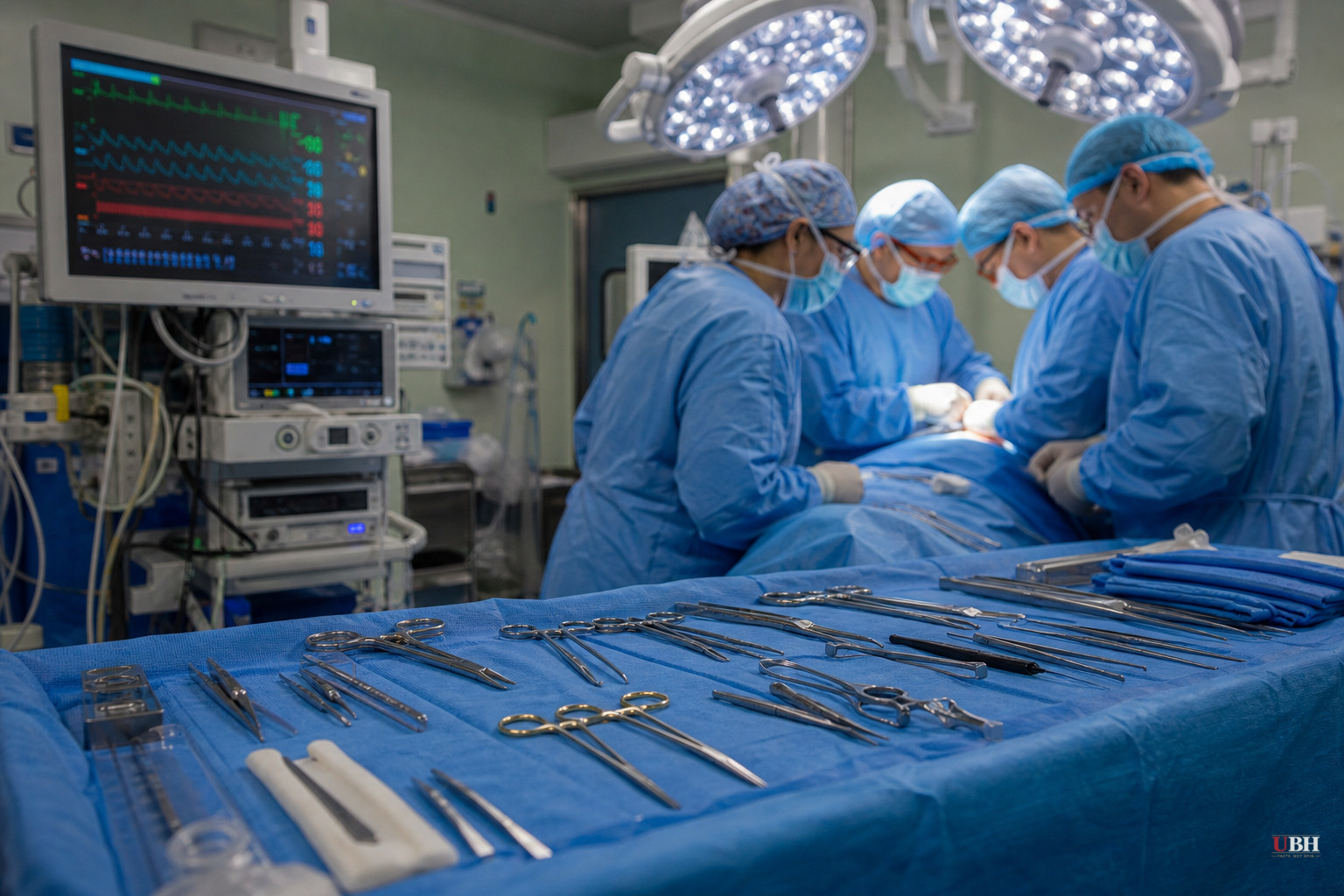
Cancer patients in America are waiting longer to start treatment than they were a decade ago, and the delay is getting worse every year, according to a study published August 12 in JAMA Surgery.
Researchers led by Dr. Timothy Donahue, a surgical oncologist at UCLA, tracked more than 2.7 million patients diagnosed with nonmetastatic stage I-III breast, colon, lung, pancreatic, gastric or esophageal cancer between 2012 and 2023, using the National Cancer Database. They measured the time from diagnosis to first treatment, whether that was surgery or therapy to shrink a tumor before surgery.
Every single cancer type got worse. Breast cancer wait times climbed from 34 to 45 days. Colon cancer went from 20 to 31 days. Lung cancer rose from 41 to 53 days, the longest wait of any cancer studied. Gastric cancer jumped from 35 to 49 days. Esophageal cancer climbed from 38 to 48 days. Pancreatic cancer, where delays matter most because the disease moves fast, went from 23 to 32 days.
By 2022-2023, according to publichealthwatch's reporting on the study, 72% of patients on average waited at least 30 days to start treatment, up from 54% in 2012-2015. For esophageal, lung and gastric cancer patients specifically, 84%, 83% and 79% respectively faced waits of a month or longer. Extreme delays of 60 days or more were most common among lung cancer patients.
The delays did not land equally. After adjusting for age and health status, the researchers found longer waits for Black patients, Medicaid patients, people in lower-income areas, patients traveling farther for care, and those treated at academic medical centers or high-volume hospitals. The Northeast and West saw longer waits than other regions.
Academic hospitals are usually seen as the best option for complex cancer care. Instead, they showed some of the worst delays. Donahue and his co-authors wrote that as cancer care "continues to centralize within expanding, consolidated health systems," the field needs "improved care coordination, streamlined referral pathways, standardized timeliness benchmarks, and strategic capacity expansion" to keep access fair and fast.
Why the delays are getting longer
The study points to a few likely drivers: staffing shortages, a rising volume of referrals from urgent care centers, and cancer treatment itself getting more complicated, including more robotic surgery and more advanced molecular diagnostics before a treatment plan gets set, according to The Independent's coverage of the findings. A commentary from Stanford's Dr. Lia Delaney and Dr. Sherry Wren, published alongside the study, made a similar point: cancer care has become "increasingly sophisticated, centralized, and multidisciplinary" over the past two decades, which has helped many patients, but the tradeoff is that regionalized, specialized care can create bottlenecks if capacity doesn't keep pace.
The study period includes COVID-19, when elective and non-emergency cancer surgeries were delayed nationwide. But the researchers said they saw a "noticeable increase" in wait times even after the pandemic, meaning this isn't just a COVID hangover. The trend line was climbing before 2020 and kept climbing after.
What the delay costs patients
Outside research shows that every month of delay in cancer treatment can raise the risk of death by roughly 10%, and a separate study from Ohio State University's Wexner Medical Center found each 30-day delay from diagnosis raised death risk by 4.6%. The MedPage Today writeup of the JAMA Surgery paper cited even sharper numbers pulled from existing literature: delayed surgery is linked to a 20% to 30% higher risk of death in lung cancer, 10% to 15% higher mortality in breast cancer, roughly 15% higher mortality in gastric cancer, and nearly double the mortality in locally advanced esophageal cancer.
Fox News senior medical analyst Dr. Marc Siegel, who wasn't part of the study, said plainly: "This is part of our healthcare system that needs fixing immediately." Siegel noted the delays showed up even at high-volume academic centers, which is exactly what the data confirms.
Delay isn't automatically negligence. More precise staging, genetic testing and multidisciplinary tumor board reviews take time, and that time can improve treatment accuracy. The Stanford commentary makes that case directly: sophistication has "improved outcomes for many patients." The unresolved question is whether the extra weeks buy better precision or just reflect a system that's outgrown its own capacity.
The study's authors acknowledged they didn't directly measure whether these specific delays changed survival outcomes for the patients in their own dataset. Their case rests on connecting these wait-time trends to prior outcomes research. Donahue told STAT, as reported by The Independent: "What was striking was the consistency. Across every cancer we studied, patients are waiting longer today than they were a decade ago."
No federal agency has announced new wait-time standards or reporting requirements in response to the study as of this writing. The authors' call for "standardized timeliness benchmarks" remains a recommendation, not a policy.
Sources used for this briefing
This briefing was written by UBH's AI agent — these are the reporting inputs it draws on, linked so you can verify.


