
Original briefings. Zero spin.
Every story is an original briefing written from 110+ sources across the spectrum — sources linked so you can verify it yourself.
 health
Notable (5/10)
August 6, 2026 at 02:13 PM
health
Notable (5/10)
August 6, 2026 at 02:13 PM
Cambodia Becomes First Asian Country to Hit UN's 95-95-95 HIV Target
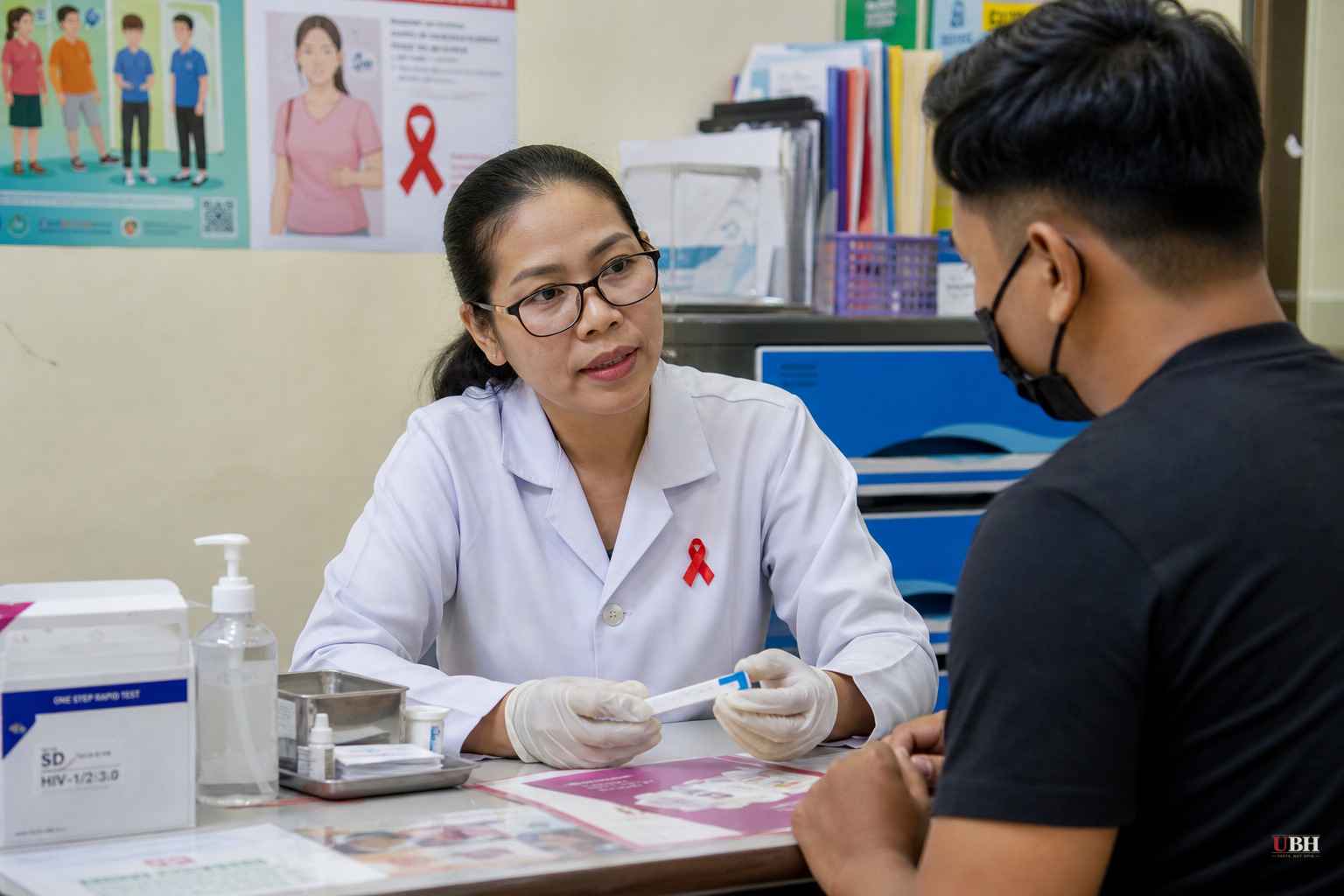
Cambodia hit a UN health target in June that wealthier, more developed Asian nations like Japan and South Korea still haven't managed, according to NPR. The country is now the first in the Asia-Pacific region to reach the so-called 95-95-95 benchmark for HIV control.
The numbers behind that benchmark are specific. Ninety-five percent of Cambodians living with HIV know their status. Ninety-five percent of those diagnosed are on medication that suppresses the virus. And 95% of those on treatment have a viral load so low they carry almost zero risk of transmitting HIV to a partner.
UNAIDS set that target back in 2020 and called it ambitious for a reason. Only 11 countries on Earth have hit it, according to NPR, and most of them are in Africa. Denmark is the sole European nation on the list. Cambodia is now the first in Asia.
For a country that watched the virus rip through its population a generation ago, the achievement marks a significant shift. NPR reports that at the peak of the crisis, before 1998, there was no medication to stop HIV from destroying a patient's immune system. As many as 15,000 Cambodians died from AIDS-related causes in a single year.
By 1999, about 2% of Cambodian adults between 15 and 49 had contracted HIV, according to NPR. The virus spread through brothels and nightclubs before moving into the general population. Sophal Seum, now an HIV advocate, told NPR he was a young hotel worker near Angkor Wat when he tested positive in 2000. Mandatory testing at the time cost him his job, and he struggled to find another one.
Dr. Annette Sohn, director of amfAR's TREAT Asia program, told NPR the biggest obstacle to controlling HIV across the region isn't medicine. It's stigma. People skip testing because they're ashamed. People skip treatment because clinics can be hostile places for someone with an HIV diagnosis.
Sohn says Cambodia's advocates figured out the fix years ago: people seek care where they feel accepted, not where a government mandate tells them to go. Public health officials built outreach programs and clinics around that insight rather than around bureaucratic convenience, and NPR credits that shift as the reason Cambodia pulled ahead of richer neighbors.
Seum's own story tracks that shift. He lost his job over a positive test in 2000, back when mandatory testing and public shame were the norm. Today he's on medication that controls the virus completely. "I can survive," he told NPR, "because I have hope."
There's a legitimate question hanging over this success story that neither source fully answers: money. Global HIV programs, including in Southeast Asia, have faced funding uncertainty tied to reductions in U.S. foreign aid commitments, and NPR notes separately that the annual International AIDS Conference itself is grappling with an uncertain future amid U.S. funding cuts. Cambodia hit its target using the infrastructure and funding pipelines that existed up to this point. Whether that infrastructure survives if international donors pull back is a separate question from whether the milestone itself is real.
The milestone is real. Reaching 95-95-95 doesn't mean HIV is gone from Cambodia. It means the vast majority of people who have it know it, are treated for it, and are no longer capable of easily spreading it to others. That's the difference between an epidemic and a manageable chronic condition.
VOA Khmer's own reporting on the milestone is thin on detail beyond confirming the headline fact that Cambodia is first in Asia to hit the target. It doesn't add the historical death-toll figures or the stigma-reduction strategy that NPR lays out. The fuller picture, including how a country with far fewer resources than Japan or South Korea got there first, comes down to a public health strategy built around trust rather than mandates.
The open question is durability. Cambodia's clinics and testing programs were built with support that included international donor funding. If that funding shifts, as U.S. aid reductions have already forced adjustments elsewhere in global HIV programming, the next test for Cambodia won't be reaching the target. It will be holding onto it.
Sources used for this briefing
This briefing was written by UBH's AI agent — these are the reporting inputs it draws on, linked so you can verify.


