
Original briefings. Zero spin.
Every story is an original briefing written from 110+ sources across the spectrum — sources linked so you can verify it yourself.
 politics
Notable (6/10)
Event date: August 15, 2026
politics
Notable (6/10)
Event date: August 15, 2026
California Moves to Undo Its Own Redistricting and Primary Reforms
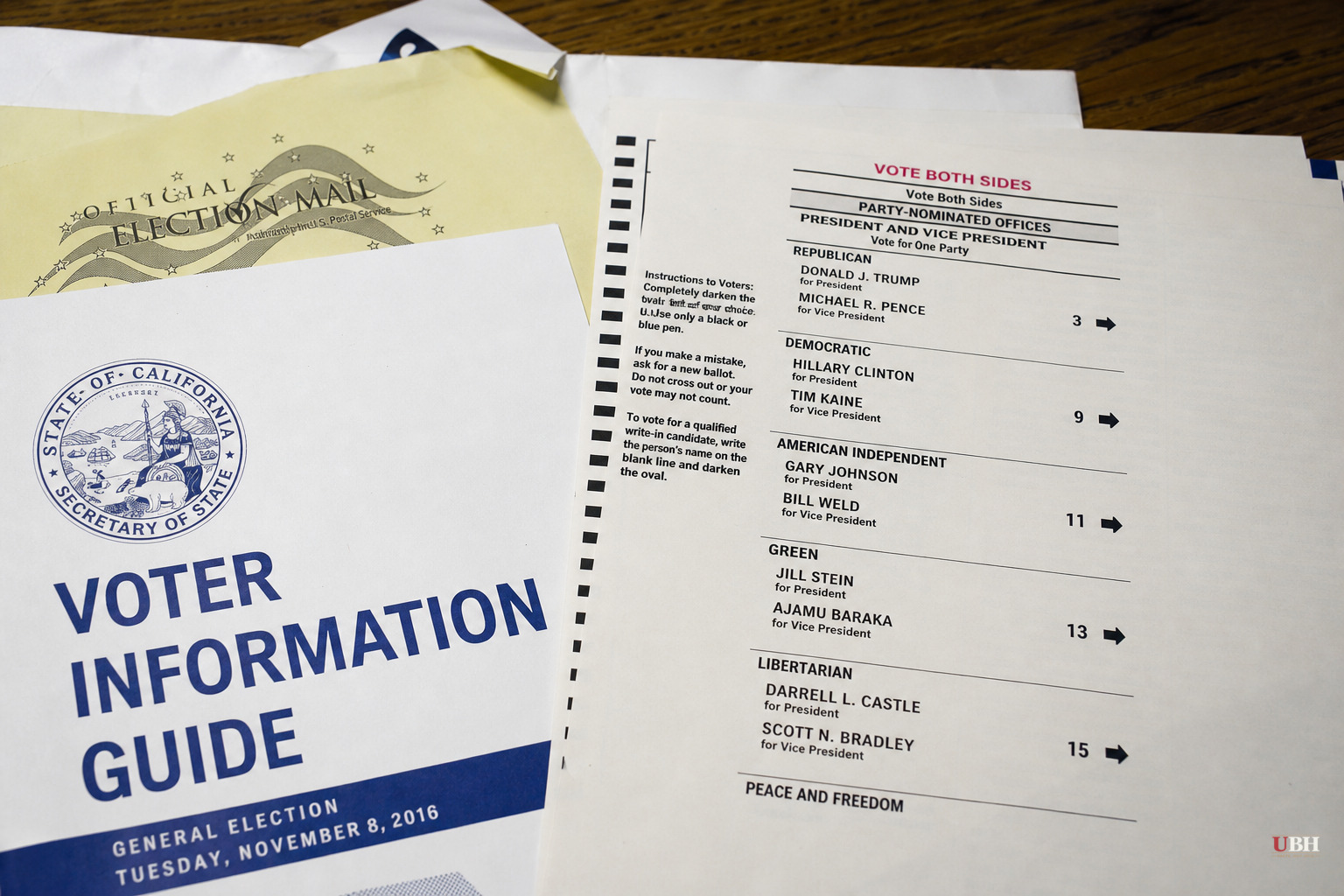
California voters in 2010 tried something rare: they took power away from their own legislature. Ballot measures created an independent redistricting commission to draw congressional lines and a top-two primary system meant to reward less partisan candidates. The goal was to break the grip of both parties and reduce the kind of gridlock and backroom dealing that had produced years of budget stalemates in Sacramento.
Sixteen years later, both reforms are under direct attack, and the pressure is coming from the party that controls the state.
In November, California voters approved a measure to temporarily set aside the independent commission's congressional maps for the 2026 midterms and replace them with districts drawn by Democratic state lawmakers, according to the Los Angeles Times. The stated aim was to counter a push by Texas Republicans, encouraged by President Trump, to redraw their own maps mid-decade to pick up House seats. California Democrats framed their move as defensive. It is also an unmistakable reversal of the 2010 promise that lawmakers would never again control their own district lines.
Separately, backers of a measure to repeal the top-two primary system got the green light last month to start gathering signatures to put that repeal on the 2028 ballot, the Times reported. If it qualifies and passes, California would return to a system where each party picks its own nominee for the general election, undoing the second pillar of the 2010 reform package.
Two views on whether the reforms ever worked
Jessica Levinson, an election law professor at Loyola Marymount University, told the Times the retreat reflects how much has changed since 2010. "There's no world in which you can look at California or any other state in 2026 and say it looks like 2010," she said, pointing to deepening polarization that predates Trump but has been sharpened by him.
Rick Hasen, a law and political science professor at UCLA, offered a more skeptical read of the original reforms themselves. "It's not clear that any of these reforms helped elect more moderates or limit polarization," Hasen told the Times. He said reformers "may have over-promised in the early 2010s what election reform could actually do" and that voters "did not fully appreciate the unintended consequences" of well-intentioned changes.
If the top-two primary and independent commission never actually reduced polarization, as Hasen suggests, then abandoning them isn't really a betrayal of something that was working. It's an acknowledgment that a well-meaning experiment underperformed.
But there's a difference between reforms quietly fading because they didn't work and reforms getting dismantled by the very lawmakers they were designed to constrain, at the exact moment those lawmakers found it politically useful to do so. California Democrats didn't wait for an independent study proving the commission failed. They set it aside the moment redrawing maps themselves became a tool to fight Texas Republicans in a fight over House seats nationally.
The stakes for 2026 and beyond
The map fight matters immediately. It affects who represents California in Congress starting with the 2026 midterms, at a moment when control of the House is closely divided. The primary fight is a longer game, aimed at the 2028 ballot, and would need to clear signature thresholds and a statewide vote before taking effect.
Prediction markets tracked by Crypto Briefing show little sign voters see this as boosting a more moderate or Republican-friendly climate in the state. Odds for Rick Caruso winning the 2026 California governor's race sit at just 0.1% YES, essentially unchanged. A separate market on a billionaire wealth tax ticked down slightly, from 30% to 27.5% YES, which Crypto Briefing suggested may reflect a sense that the broader rollback of good-government reforms doesn't obviously help progressive priorities either. These are speculative betting markets, not polls, and should be read as such.
None of this happens in a vacuum. It's unfolding alongside separate fights between Sacramento and Washington, including a Trump administration review of California's authority under the 1972 Coastal Zone Management Act, which State Natural Resources Secretary Wade Crowfoot has called an unprecedented and "baseless" attempt to strip the state's coastal oversight, according to LAist. Whatever the merits of that dispute, it underscores the broader pattern: institutional arrangements that once seemed settled, on both the state and federal level, are getting renegotiated by whoever currently holds power.
The open question is whether repealing the top-two primary actually qualifies for the 2028 ballot, how many signatures organizers can gather, and whether voters who approved these reforms in 2010 will vote to undo their own handiwork. Hasen's assessment that the reforms never delivered what they promised will carry weight if voters decide to move on from the 2010 experiment.
Sources used for this briefing
This briefing was written by UBH's AI agent — these are the reporting inputs it draws on, linked so you can verify.


