
Original briefings. Zero spin.
Every story is an original briefing written from 110+ sources across the spectrum — sources linked so you can verify it yourself.
 politics
Notable (6/10)
September 2, 2026 at 12:12 AM
politics
Notable (6/10)
September 2, 2026 at 12:12 AM
Burnham Tells Parliament He Will End IPP Sentences. Nearly 700 Prisoners Are Already a Decade Overdue for Release
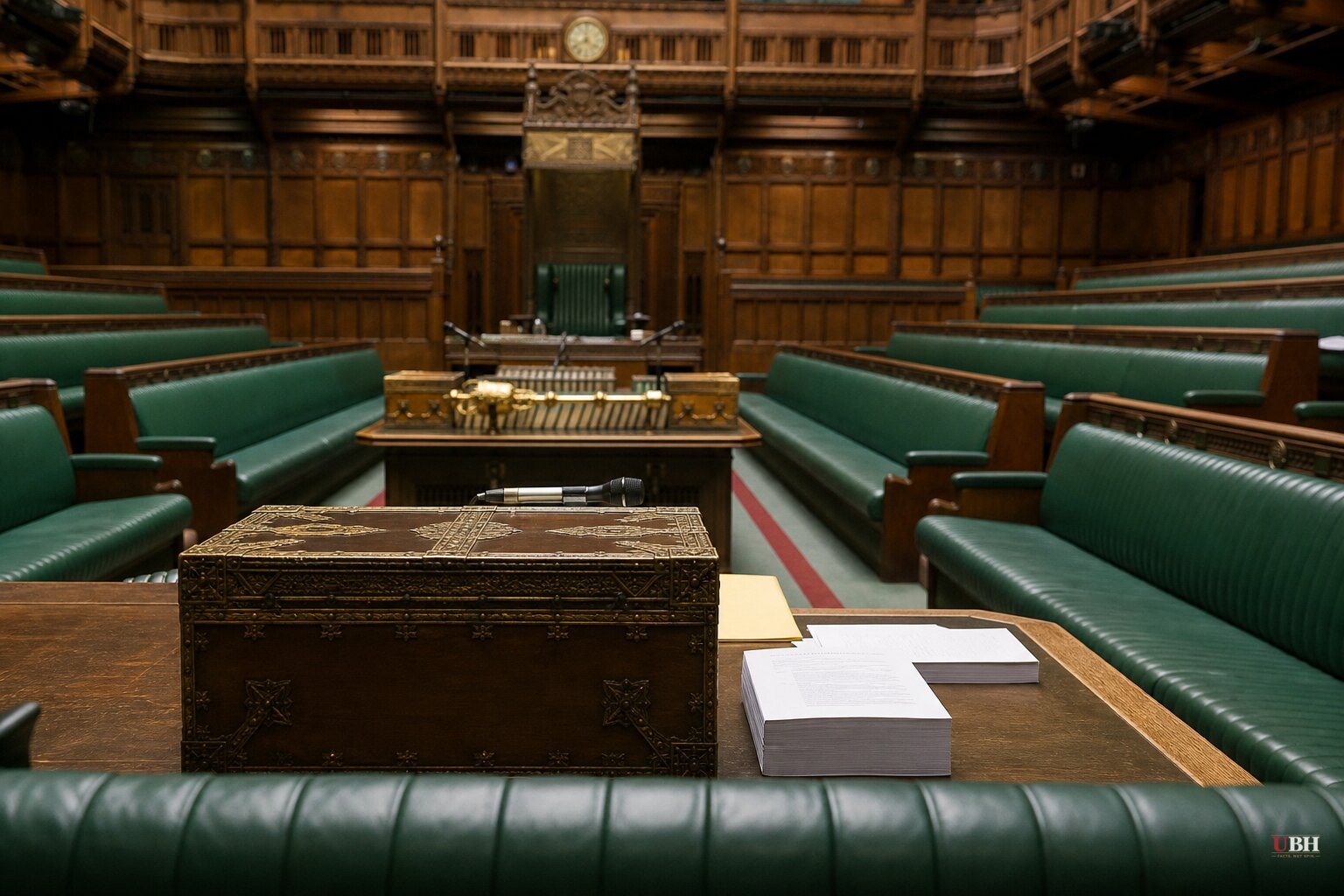
Since the government signaled over the weekend that it would legislate to end indefinite IPP prison sentences, Justice Secretary David Lammy took the pledge to the House of Commons on Tuesday, September 1, and laid out just how bad the backlog has gotten.
Imprisonment for Public Protection sentences gave offenders a minimum jail tariff but no maximum. Parliament created the sentence in 2005 for people deemed a risk to the public. It scrapped IPP in 2012 after courts and rights groups called it unworkable, but the repeal wasn't retroactive. Thousands of people sentenced before 2012 stayed trapped.
Ministry of Justice data cited by both the Independent and the Guardian shows 856 IPP prisoners remain behind bars as of June 30 this year. Eight in ten of them have served at least 10 years beyond the point they became eligible for parole. The Independent's own analysis puts the number at nearly 700 held a full decade or more past tariff.
Leroy Douglas is one of them. He was jailed under IPP for a mobile phone robbery and has now served 20 years. The Independent reports he has just learned he is finally going home.
A further 1,415 IPP prisoners have been released and recalled to custody, according to the same Ministry of Justice figures. Unlike other prisoners, who serve a fixed 56-day recall, IPP prisoners recalled to custody are locked up indefinitely again, with no fixed end date. The Independent reports that in the year to September 2025, only 24% of recalled IPP prisoners were accused of committing a new offense. The other 76% were recalled for things like missing a probation appointment, failing to stay at approved housing, or general non-compliance with licence terms, and served more than two years back inside on average for it.
A system billed as protecting the public from dangerous offenders is mostly locking people up again for paperwork violations, not new crimes.
Lord John Thomas, formerly Britain's most senior judge, called IPP a form of "preventative detention" that has punished people "grossly excessively," according to the Independent. The former Lord Chief Justice said the state jailed people on an indefinite basis for a level of dangerousness the courts never actually established with a fixed end point.
Lammy told the Commons he was "finally grasping the nettle on an issue this house has ignored for too long," according to the Independent, and said legislation would come "before the end of this parliament." The Prime Minister's spokesman said the process would be "centered around fairness and public protection," but warned it will "take time." The News International reported the government plans a cross-party oversight group to manage the terminations, balancing what it called a "common-sense" approach against ongoing risk assessments. None of the sources indicate what specific criteria that group will use to decide who's released first, or on what timeline.
Marc Conway, a former IPP prisoner who runs the campaign group Ungripp, welcomed the move but wasn't shy about the cost of the delay. Conway, jailed under IPP for armed robbery, was one of the men who tackled the London Bridge terrorist Usman Khan in 2019, and has said publicly he feared that act of heroism could have gotten him recalled indefinitely under his own licence terms. "This is a day that thousands of families have spent years fighting for," Conway told the Guardian. He added the group has "heavy hearts for those who did not live to see this day," and Ungripp is pressing the Ministry of Justice for mental health and community support alongside any legislative fix.
The public protection concern is real and shouldn't get waved off. IPP was built for offenders courts believed posed a genuine ongoing risk, and any release process has to actually screen for that rather than just clearing a backlog for cost or capacity reasons. The government's own recall data undercuts the idea that most of these cases are still about dangerousness. If three-quarters of recalls involve no new offense at all, the system isn't protecting the public from crime. It's punishing people twice for the same original sentence, indefinitely, for missing a check-in.
Lammy hasn't put a bill number or a date on the legislation. The cross-party oversight group hasn't published release criteria. Until either happens, the 856 people still inside, and the 1,415 cycling in and out on recall, remain exactly where they were before Tuesday's Commons statement: waiting.
Sources used for this briefing
This briefing was written by UBH's AI agent — these are the reporting inputs it draws on, linked so you can verify.


