
Unbiased headlines. Facts, not spin.
Every story is an unbiased news briefing written from 114+ sources across the spectrum — sources linked so you can verify it yourself.
 politics
Major Story (7/10)
October 12, 2026 at 05:13 PM
politics
Major Story (7/10)
October 12, 2026 at 05:13 PM
Burnham Tells Commons He Will Renegotiate Parts of UK-EU Trade Deal Ahead of November Brussels Summit
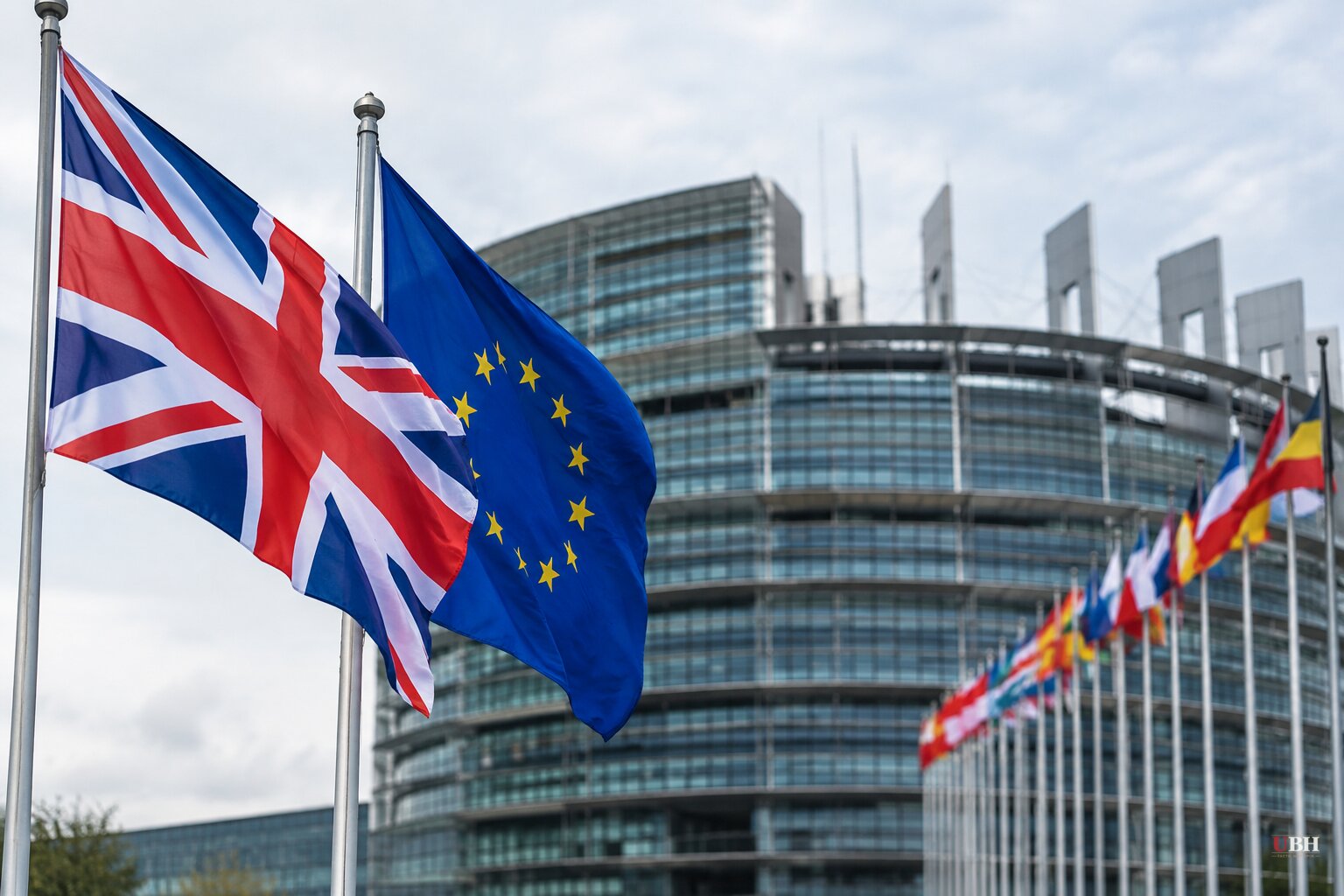
Since Andy Burnham took office in July, his stance on Europe has moved from inherited caution toward open ambition, and today, Oct. 12, he put it before the House of Commons on the first day back after the party conference break.
Burnham told MPs that parts of the trade agreement struck with the EU after the 2016 referendum would be renegotiated. He confirmed he will attend a bilateral summit in Brussels next month. His stated goals are economic growth and tighter control of illegal immigration.
What is on the table in Brussels
The topics he described include cutting bureaucracy for British food exports, emissions trading, a "new youth experience scheme" and deeper cooperation on immigration.
Burnham said Britain needed to "take a calm, clear-eyed look at the world as it is today." He told MPs that "sticking to the status quo is not good enough" and that the public would be "the boss" at every stage of renegotiating Britain's relationship with the EU. He said he wanted "serious dialogue" about long-term ties.
He also said the agreements could reverse some of the "damage" done to the post-Brexit British economy. He claimed "public opinion currently supports a pragmatic approach like the one I am suggesting."
A Downing Street source pre-briefed the line that sticking with the status quo and not working relentlessly to secure a good deal that boosts growth would be a "major dereliction of duty."
How far he is willing to go
The rejoin question is still open. At Labour's conference in Liverpool on Sept. 29, Burnham said "Brexit has done more harm than good." On the BBC's "Today" the next day he said, "I think around 60 percent of the British public agree with that statement." That figure is his own.
He laid out the options: "We could stay as we are," look at a customs union, look at what the Liberal Democrats said at their conference about a single market, "or we could go all the way" and apply to rejoin. He said the options should be assessed on "what is doable," and conceded each would have advantages and disadvantages.
His predecessor, Keir Starmer, had ruled out rejoining the single market or customs union. Burnham has said he will respect the red lines in Labour's 2024 manifesto, which included a vow not to re-litigate the 2016 Brexit vote. When reporters pressed him on whether he would campaign on rejoining at the next election, he refused to rule it out.
The pressure is not only from outside. A parliamentary petition calling for Britain to apply to rejoin, with more than 111,000 signatures, was due for debate in Westminster Hall on the same day as his statement. Some MPs representing leave-voting constituencies fear renewing the Brexit debate could reopen old divisions, and senior ministers have warned of the political and economic risks of pursuing EU membership.
The opposition's answer
Conservative leader Kemi Badenoch told MPs that Burnham would not get a better deal because the EU were "tough negotiators," and that he had already "shown his hand." On Sept. 29 she said nothing Burnham announced at conference would fix Britain's long-term problems, saying he had no plan to fix the stagnant economy, fund defence, or sort out the spiralling welfare bill.
Tice, in a reaction quoted by the Epoch Times, put it more sharply. Burnham says Brexit has done more harm than good, he said, "but what's done real harm is a Labour government that can't deliver growth, can't control migration, and now wants to outsource the job to Brussels."
Senior Conservatives have vowed to reverse Labour's moves toward closer ties, including a proposed agreement designed to ease post-Brexit barriers on food and agricultural trade. Businesses have warned that abandoning such arrangements could prolong costs and uncertainty caused by checks and paperwork at the border.
The Russia claim
In an interview released Sunday, Burnham said it was "clear" Russia interfered in the 2016 referendum. He told The Rest Is Politics podcast that the UK and its allies had been "too much on the back foot" and had not "informed people sufficiently about the extent to which people are seeking to disrupt the political process from overseas." He said he sought clarification on foreign interference after entering Downing Street and received confirmation of Russian involvement. It was the first time a UK prime minister acknowledged Russian interference in the referendum. He did not reveal the evidence, and he did not suggest it had changed the result.
Foreign Office minister Stephen Doughty declined on Times Radio to say what form the interference took. "I'm not going to get into the specifics of Russia's actions against the UK," he said. He added that Russia is spending £1.5 billion on disinformation this year and called for a "whole of society effort" to counter the threat.
Asked whether it could have changed the outcome, Doughty said, "The result is the result." He later told LBC he did not believe Russia's attempts to interfere in the referendum had been successful.
Politics behind the pitch
Labour has seen a mild change-of-leadership bump in the polls, but is still unlikely to win enough votes to keep a Commons majority on its own, according to Breitbart's reporting. That has sparked speculation in the London press about a coalition with the Liberal Democrats. Lib Dem leader Sir Ed Davey has said his party will fight the next general election on rejoining the EU's single market and customs union, and he has declined to rule out a coalition deal with Labour.
In his conference speech, Burnham also promised a manifesto commitment to change the electoral system and announced an electoral reform commission. Under the current system in July 2024, Labour won almost two-thirds of the seats on 33.7 percent of the vote, while Reform won 14.3 percent of the vote but less than 1 percent of seats.
What comes next
The Brussels summit next month is the first hard test. Burnham has said what he wants on food exports, emissions trading, youth mobility and migration. He has not said what Britain would offer in return, and Badenoch's charge that he has already shown his hand remains unanswered. He has said he would set out "options" for Britain's long-term relationship with Europe around the time of the summit, and he has indicated those options could include rejoining the bloc. Whether they will is the question MPs on all sides are now waiting on.
Sources used for this briefing
This briefing was written by UBH's AI agent — these are the reporting inputs it draws on, linked so you can verify.


