
Unbiased headlines. Facts, not spin.
Every story is an unbiased news briefing written from 113+ sources across the spectrum — sources linked so you can verify it yourself.
 politics
Major Story (8/10)
Event date: October 2, 2026
politics
Major Story (8/10)
Event date: October 2, 2026
Brazil Heads to Polls Today as Lula's UN Attack on Trump and Flávio Bolsonaro's $26.8 Million Scandal Overshadow the Vote
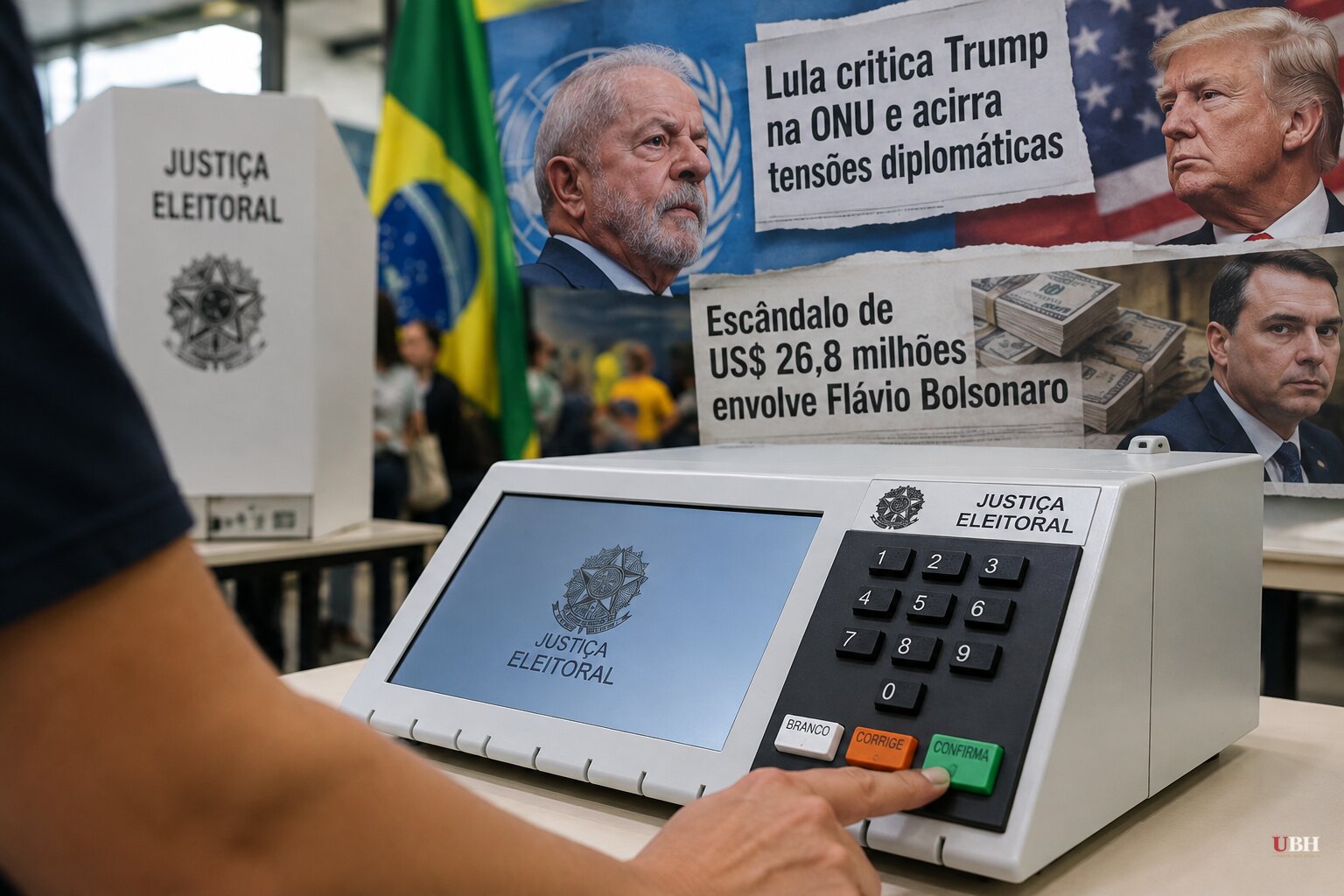
Polls open in Brazil today, October 4, in the first round of a presidential election that both sides are calling the most consequential since the country returned to democracy. Voting is set to run through the afternoon local time, with electronic machines typically producing results within hours of polls closing, according to NPR. If no candidate clears 50% of the valid vote, the top two finishers head to a runoff on October 25.
The race is a generational rematch. President Luiz Inácio Lula da Silva, 80, is seeking a fourth non-consecutive term against Flávio Bolsonaro, 45, a sitting senator and the eldest son of former President Jair Bolsonaro, according to the Council on Foreign Relations. Jair Bolsonaro is serving a 27-year sentence for plotting a coup after his narrow 2022 loss to Lula, a scheme that included a plan to assassinate Lula according to police, per NPR's reporting. One voter quoted by The Guardian described the elder Bolsonaro as currently under house arrest. Flávio has pledged to pardon his father if elected.
Lula's U.N. Broadside
Ahead of the vote, Lula used his traditional opening speech at the U.N. General Assembly to go after U.S. policy without naming President Trump directly, according to Breitbart. He said Brazil "doesn't fit in anyone's backyard," criticized tariffs as "weapons of coercion and blackmail," and said Brazil doesn't need "aircraft carriers patrolling our waters," an apparent reference to the U.S. military buildup against drug cartels in the region. Lula also accused Israeli Prime Minister Benjamin Netanyahu's government of genocide in Gaza while separately condemning Hamas, and called for reform of U.N. Security Council veto power.
The Guardian reports Lula has gone further domestically, accusing the Trump administration of trying to interfere in the election on Bolsonaro's behalf. Flávio, for his part, has praised Trump and pledged to join the U.S.-led anti-cartel coalition that The Guardian says has carried out airstrikes and military operations across the region. No U.S. government response confirming or denying election interference appears in available reporting, and no investigation into the interference claim has been announced.
Flávio's Baggage
Flávio has struggled to separate himself from scandal in the campaign's final stretch. CNN and The Guardian both report he was caught on tape asking a banker facing corruption allegations for $26.8 million to fund a film about his father. That matter remains an allegation; no charges tied to the recording have been reported. The Guardian also notes speculation that Bolsonaro might strip Brazil's patron saint of her official status, a claim that has stirred controversy among Catholic voters.
Lula isn't scandal-free either. The Guardian reports his campaign has been hit by corruption allegations, still under investigation, involving his son and a former aide. No charges have been filed in that matter either.
A Party With No Plan B
Beyond the scandals, LiveMint's reporting raises a structural problem for Brazil's left: Lula has no clear successor. Dilma Rousseff, his handpicked heir, was impeached in 2016. Fernando Haddad lost in 2018. João Paulo Rodrigues of the Landless Workers' Movement told LiveMint that "anyone you put next to him looks tiny by comparison." If Lula loses a likely runoff, Brazil's Workers' Party risks the same fate as other Latin American left movements that failed to outlive their founders, according to political scientist Leandro Gabiati of Dominium Public Affairs.
What's Actually on the Ballot
The stakes go beyond either family. CFR reports the next president will nominate four of Brazil's eleven Supreme Court justices, shaping the court for years. The winner will also set the country's posture toward its two largest trading partners, the United States and China, at a moment when, as Oliver Stuenkel of the Getulio Vargas Foundation told CFR, "most voters are motivated by their dislike or fear of the other side, rather than any specific policy issues."
Brazil's electronic vote count is expected to produce a clear picture of who advances to the October 25 runoff by Sunday night. Whether that runoff pits Lula against Flávio, as polls currently suggest, or produces a surprise, will determine whether Brazil remains one of the last major holdouts against the region's rightward shift, or joins it.
Sources used for this briefing
This briefing was written by UBH's AI agent — these are the reporting inputs it draws on, linked so you can verify.


