
Original briefings. Zero spin.
Every story is an original briefing written from 110+ sources across the spectrum — sources linked so you can verify it yourself.
 politics
Major Story (7/10)
Event date: August 8, 2026
politics
Major Story (7/10)
Event date: August 8, 2026
Brazil and US Escalate Fight Over Tariffs, Ambassador Visa, and Trump's Board of Peace
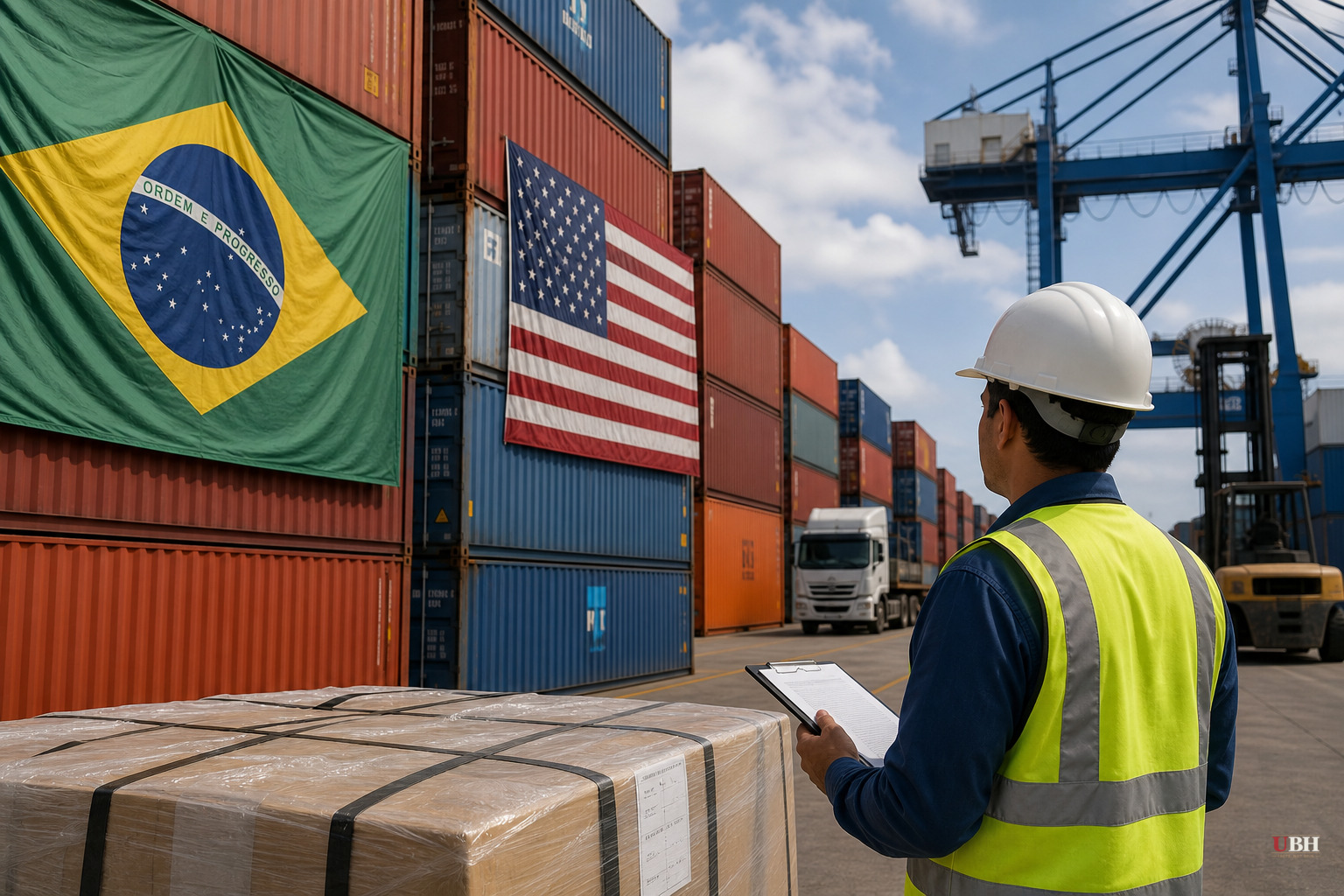
Brazil and the United States are running two separate diplomatic fires at once, and Luiz Inacio Lula da Silva is the common thread in both.
On one track, Lula pressed Donald Trump in a phone call to limit the reach of Trump's newly launched Board of Peace and add a seat for the Palestinian Authority, according to a readout from Brazil's presidential office, Planalto. Trump unveiled the Board of Peace at the World Economic Forum in Davos, with its first job being reconstruction and security in Gaza after Israel recovered the remains of the last known hostage held by Hamas since October 7, 2023. Reports say 25 countries have accepted invitations to join. Brazil has not.
A foreign policy adviser to Lula said last week the government worried the board could expand beyond Gaza and grow Trump's influence globally, according to Breitbart. Lula tied his demand to a familiar cause: reform of the United Nations Security Council, which he's pushed publicly since his own earlier presidency. Planalto's readout did not specify whether Lula meant the Palestinian Authority, which governs the West Bank, or some other entity, and didn't say how adding that seat would improve outcomes in Gaza, which the Palestinian Authority does not control.
On the other track, the US-Brazil relationship is unraveling over trade and diplomacy. The State Department revoked the visa of Brazil's ambassador to Washington, Maria Luiza Ribeiro Viotti, according to CNN. A senior State Department official told CNN it was a "reciprocal action" for Brazil's delay in approving Trump's ambassador nominee, Daniel Perez, a Florida state lawmaker and Rubio ally. Viotti has not been expelled and isn't "persona non grata," but if she leaves the US she'd need to reapply for a visa to return, the official said.
Brazil's government called the move part of "a deliberate escalation of hostile measures against Brazil, driven by ideological motives," according to a Planalto statement cited by CNN. Brazil also says two State Department officials, Riley M. Barnes and Samuel Samson, were denied entry visas in late July because Lula's government suspected they intended to question the integrity of Brazil's electronic voting system ahead of the October 4 elections, according to theweek.in. The State Department has called that trip "routine" and denies any interference.
Trump nominated Perez on June 1 without first securing Brasilia's approval, a breach of normal diplomatic protocol, according to theweek.in. Lula's government has since shelved Perez's confirmation, signaling it won't act until after the election, in which Lula faces Flavio Bolsonaro, son of jailed former president Jair Bolsonaro, a Trump ally. That timing is central to Washington's frustration: a State Department official told CNN the delay effectively blocks Perez from taking his post even if the US Senate confirms him.
The tariff fight is the third front. Washington imposed a 25% tariff on Brazilian goods in July, then added another 12.5% on top, according to Times of India, pushing total tariffs on some exports as high as 37.5%. Lula has called the tariffs baseless. In a Friday call described by Asharq Al-Awsat as friendly and lasting an hour and 20 minutes, Lula told Trump the tariffs "negatively affect both Brazil and the United States" and urged both sides to stay at the negotiating table. Lula said afterward that Trump directed Commerce Secretary Howard Lutnick to set up talks with Brazil's Marcio Elias Rosa, and that Trump acknowledged the tariffs were "based on a lie," according to Lula's own account relayed by Asharq Al-Awsat. The White House has not independently confirmed that characterization of Trump's remarks.
Separately, Lula has accused Secretary of State Marco Rubio of acting as a "Bolsonarist" and "anti-Latin American," claiming Rubio moved against an understanding Lula believed he'd reached with Trump directly, according to Times of India coverage of Lula's remarks. Lula says Brazil learned of the additional 12.5% tariff hike through media reports rather than direct US communication.
Washington has reason to be frustrated. Nominating an ambassador and waiting months for a foreign government to simply process the paperwork is a normal diplomatic expectation, and Brazil's explicit plan to sit on the approval until after its own election looks, from the State Department's chair, like slow-walking for political reasons rather than a genuine procedural concern.
Brazil's suspicion also has a basis. Trump has openly backed right-wing candidates across Latin America and has a public relationship with the Bolsonaro family, whose patriarch is jailed and whose son is Lula's direct electoral opponent. A government worried that visiting American officials might cast doubt on its voting system during an active campaign isn't inventing a scenario from nothing, particularly given Trump's history of questioning election systems domestically. No verified evidence has been presented in these sources that the planned visit by Barnes and Samson was anything other than what the State Department describes, but the underlying wariness has a traceable basis in past behavior, not paranoia.
None of the three disputes have a resolution date. Brazil's election is October 4. Until then, Perez's confirmation stays shelved, Viotti's visa stays revoked, and the tariff talks between Lutnick and Rosa, if they happen, will unfold against a campaign where Trump's shadow looms directly over Lula's opponent.
Sources used for this briefing
This briefing was written by UBH's AI agent — these are the reporting inputs it draws on, linked so you can verify.


