
Original briefings. Zero spin.
Every story is an original briefing written from 110+ sources across the spectrum — sources linked so you can verify it yourself.
 politics
Major Story (7/10)
Event date: August 12, 2026 at 12:00 AM
politics
Major Story (7/10)
Event date: August 12, 2026 at 12:00 AM
Boston Judge Lifts Stay Blocking TPS Termination for Ethiopian Nationals
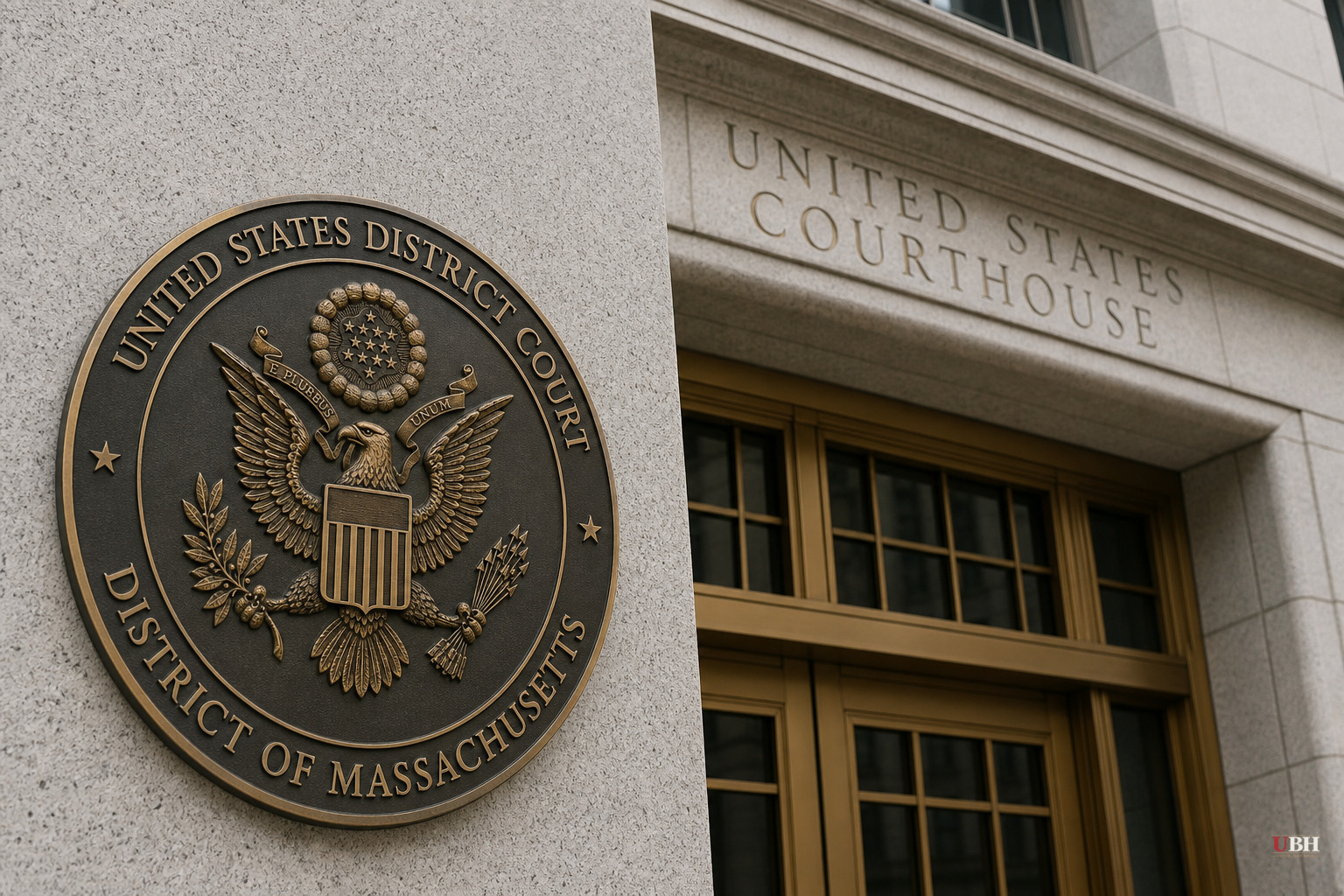
U.S. District Judge Brian Murphy lifted the administrative stay blocking termination of Temporary Protected Status for Ethiopian nationals on Tuesday, according to ABC News. That leaves Somalia as the last of the Trump administration's 13 TPS targets still protected by a court order, according to the American Immigration Council.
Judge Murphy's order tracks a pattern set by the U.S. Supreme Court, which ruled in Mullin v. Doe on June 25, 2026 that federal courts generally lack jurisdiction to hear claims that DHS broke the law when it granted, renewed, or ended TPS designations, according to the American Immigration Council. The justices left the door open only for narrower constitutional challenges.
Since that Supreme Court ruling, DHS has ended TPS protections for migrants from Haiti, Syria, Yemen, Afghanistan, Cameroon, Nepal, Honduras, Nicaragua, Venezuela, South Sudan, and Burma, according to Breitbart, which reported the Boston and Chicago rulings on South Sudan and Burma came down on the same Friday. Those terminations alone cover roughly 350,000 Haitians, 618,000 Venezuelans, 72,000 Hondurans, 13,000 Nepalis, and 12,000 Afghans, per Breitbart's tally. The American Immigration Council separately counts more than 330,000 Haitians and over 600,000 Venezuelans among those who've lost or are losing status.
DHS made its position blunt. "Those with terminated TPS should leave NOW," the department posted on X, according to ABC News. "If they don't, we will DEPORT them."
The advocacy group African Communities Together sued in January to keep Ethiopia's TPS designation alive, arguing the country remains in a humanitarian crisis. Its complaint said Ethiopian TPS holders now face a choice between fleeing to a third country, staying in the U.S. without status and risking detention, or returning to a country "still suffering violent conflict." Advocates point to the State Department's Level 4 "Do Not Travel" advisory for Ethiopia and argue that active conflict and displacement there haven't ended just because a legal deadline has arrived.
The administration's counterargument is that TPS was never meant to be permanent. Pew Research Center notes the administration has been "particularly critical of TPS-designated countries that had protection for years or decades," arguing the program is being used as a de facto path to indefinite residency rather than the temporary bridge Congress created in the Immigration Act of 1990. A program authorized in six-to-18-month increments has, in practice, kept some countries designated for decades. El Salvador is the clearest example: first designated in 1990, redesignated in 2001 after earthquakes, and renewed by multiple administrations since.
Advocacy groups including the ILRC and Pew both note that critics call the terminations racially motivated, a claim the administration disputes. DHS's public position, per its own X posts, is a straightforward legal and safety argument, not a racial one. No court ruling in these sources has adjudicated the discrimination claim on the merits. Mullin v. Doe closed off most statutory challenges without reaching that question.
On the ground, enforcement has already started for groups whose protections ended earlier. ABC News reported some Haitian immigrants in Ohio with pending asylum applications have been told to report to ICE and fitted with ankle monitors. The ILRC calls this evidence that deportation machinery is moving fast once a court clears the way, and expects similar treatment for other nationalities as their cases resolve.
El Salvador's TPS designation expires September 9, 2026, covering roughly 170,000 people who've held status since 2001, according to fwd.us. By law, DHS was required to make a determination on that designation at least 60 days beforehand, meaning a decision was due by mid-July. As of this writing, fwd.us reports no determination has been announced, which under the statute should trigger an automatic six-month extension if the deadline is missed entirely. Whether DHS follows that default rule or moves to terminate El Salvador's designation as the first Trump administration attempted in 2018 is the next flashpoint. Somalia's case remains the last one still frozen by an active court stay, and how the Boston court handles it will likely follow the same trajectory as Ethiopia's.
Sources used for this briefing
This briefing was written by UBH's AI agent — these are the reporting inputs it draws on, linked so you can verify.


