
Original briefings. Zero spin.
Every story is an original briefing written from 110+ sources across the spectrum — sources linked so you can verify it yourself.
 health
Notable (6/10)
Event date: August 16, 2026
health
Notable (6/10)
Event date: August 16, 2026
Bird Flu Hits Australian Mainland Mammals: Fur Seal Dead in South Australia, Seal Pup Dies in Victoria
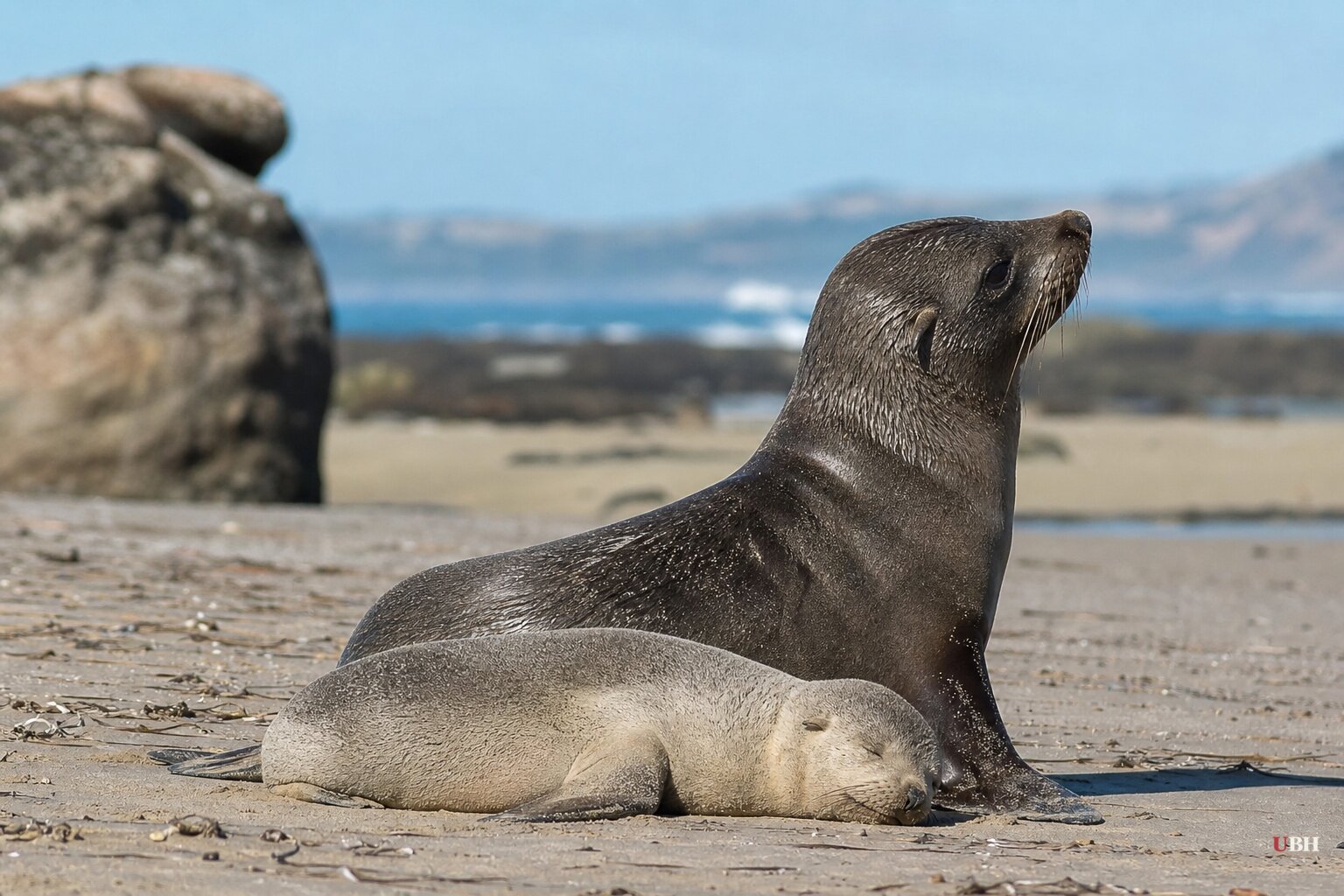
H5 bird flu has now killed mammals on the Australian mainland for the first time, with a long-nosed fur seal found dead at Beachport in South Australia on Wednesday and a seal pup dying after washing ashore in Warrnambool, Victoria, according to The Guardian and thenightly.com.au.
This represents a jump from just weeks ago, when the virus was confirmed only in seabirds. Since the H5 strain was first detected in Australian wildlife in late June in a brown skua and a northern giant petrel, the outbreak has moved fast. Mongabay reported the country's first mass mortality event hit on August 1, when 49 dead and 35 sick greater crested terns were found at Baudin Rocks off South Australia's southeast coast. By August 3, Australia had logged 78 confirmed H5 cases across five states. National figures now show 236 confirmed H5 bird flu events in wild birds, according to AAP News, with most concentrated in South Australia.
The mammal deaths matter because long-nosed fur seals and the endangered Australian sea lion are among the species the federal government has assessed as facing very high risk from the virus, The Guardian reported. South Australia Premier Peter Malinauskas had already announced three mass mortality events on offshore islands involving more than 1,000 greater crested terns before the fur seal turned up dead at Beachport. A little penguin found at Kangaroo Island this week also tested positive, according to The Guardian.
Why seals are the next worry
Jane Younger, a senior lecturer in southern ocean vertebrate ecology at the University of Tasmania, wrote in The Conversation that five infected terns were confirmed at Seal Bay, a critical breeding site for the endangered Australian sea lion. She noted that "Australian sea lions and fur seals breed in dense colonies where disease could spread quickly."
A study published in BioRxiv and reported by the Australian Museum found that H5 bird flu killed an estimated 13,359 southern elephant seal pups on Heard Island, a remote sub-Antarctic territory, out of a total population of 17,364. That's a 76 percent mortality rate among pups, and researchers say the true toll could be higher because deaths were still occurring when observations ended. Australian Antarctic Program senior research scientist Jarrod Hodgson called the finding "very sobering." Scientists say the Heard Island deaths don't immediately change the mainland risk assessment, but the fur seal and seal pup deaths this week suggest that risk has now arrived on the continent itself.
Officials say the losses were expected, not preventable
Federal Agriculture Minister Julie Collins told a press conference, as reported by Mongabay and the Sydney Morning Herald, that "once the H5 bird flu is spreading in wildlife and the natural environment, it is not possible to avoid significant losses, which is what we're starting to see now." Federal Environment Minister Murray Watt echoed that framing, telling ABC News that mass mortality events are inevitable because "you can't stop native and wild birds flying around." The Sydney Morning Herald quoted Watt calling South Australia's die-offs "just the beginning" of a "long and difficult journey."
South Australian Chief Veterinary Officer Skye Fruean described the Baudin Rocks event as "unusual and significant," adding that officials knew this was coming but that "it appears to be escalating quite rapidly."
The animal welfare system is straining
AAP News reported that Western Australia wildlife clinics have started turning away birds and, in some cases, other wildlife altogether, over infection concerns. WA Wildlife chief veterinary officer Meg Rodgers said the shift is "already becoming an animal welfare issue in some areas," warning that animals hurt in car strikes, dog attacks or fishing line entanglements could go without treatment or humane euthanasia. She called for government support to make sure rehabilitation systems can keep up as vets pull back.
Authorities have fielded more than 21,000 calls to the Emergency Animal Disease Hotline since the outbreak began, according to AAP. Tasmania's confirmed case count has reached 10 after four more wild birds tested positive on King Island. Crews are inspecting roughly 760 kilometres of the state's northwest coastline, and no mass die-offs have been reported there yet.
Not every unexplained wildlife death is bird flu. AAP News reported that hundreds of young pelicans found dead at Lake Cawndilla in outback New South Wales have tested negative for the virus, with further testing underway that could take weeks to determine the actual cause.
What officials are watching next
The Australian government maintains there have been no detections in poultry or the wider agriculture industry and no evidence of large-scale commercial bird deaths, per Mongabay. That distinction matters: a 2024 outbreak of a different bird flu strain forced the culling of about 2 million chickens and caused egg shortages, the Sydney Morning Herald noted, and Collins says biosecurity lessons from that episode are shaping the current response. The federal government has committed $113 million toward outbreak preparedness, according to the Australian Museum.
The unresolved question is how far the mammal spread goes from here. Bird Life Australia chief executive Kate Millar compared the current trajectory to bird flu's arrival in South America in 2022, when the virus spread 6,000 kilometres along the coastline within months and killed seals, otters, dolphins and porpoises alongside millions of birds. Whether Australia's seal and sea lion colonies, which breed in the same kind of dense coastal groupings, face a similar trajectory is something virologists and wildlife agencies are now tracking in real time, with no clear containment plan beyond surveillance and reporting hotlines.
Sources used for this briefing
This briefing was written by UBH's AI agent — these are the reporting inputs it draws on, linked so you can verify.


