
Unbiased headlines. Facts, not spin.
Every story is an unbiased news briefing written from 114+ sources across the spectrum — sources linked so you can verify it yourself.
 defense
Major Story (7/10)
Event date: September 9, 2026
defense
Major Story (7/10)
Event date: September 9, 2026
Bessent says U.S. may seize about $1 billion in Iran-linked crypto this week
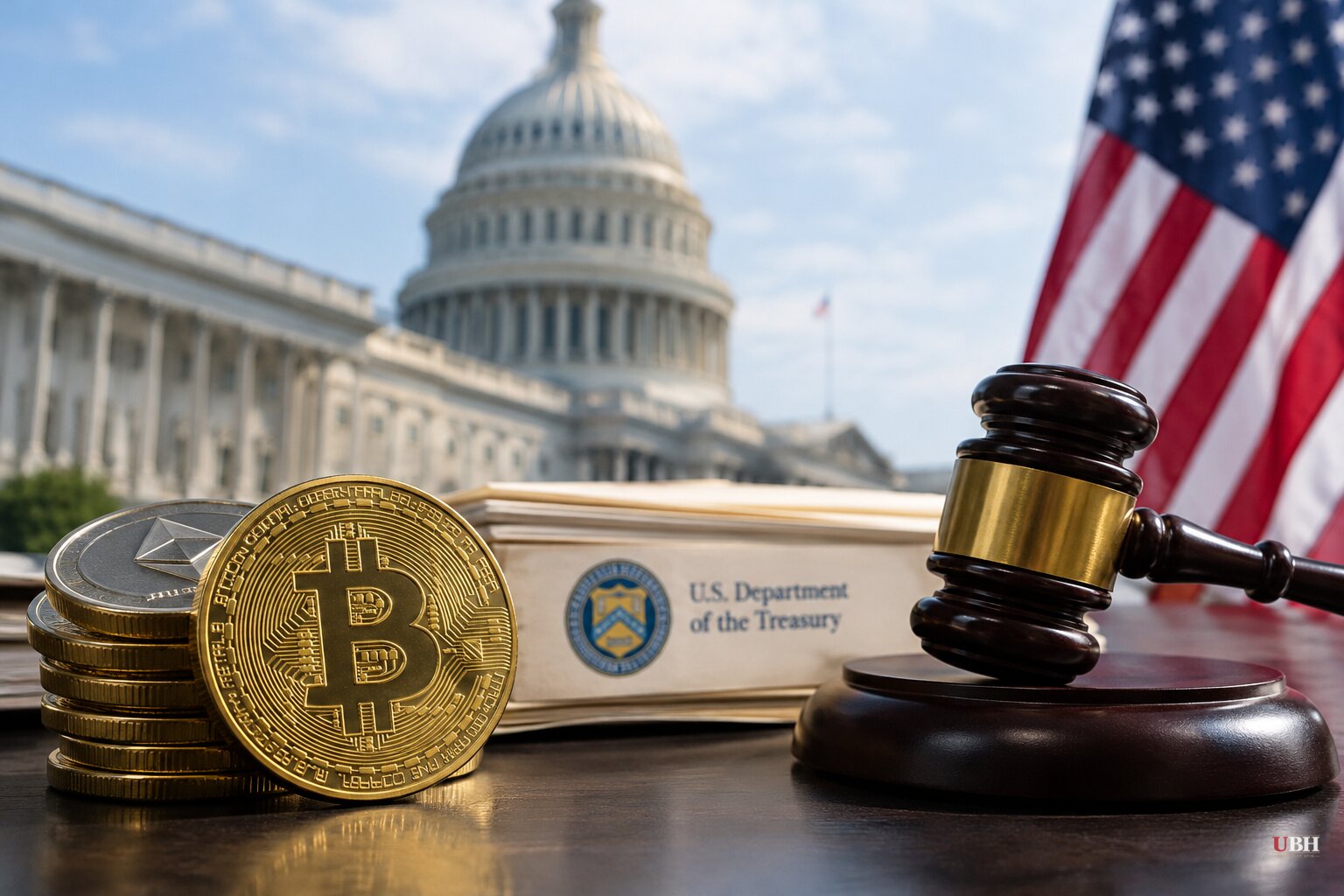
Treasury Secretary Scott Bessent said Thursday, Oct. 8, that U.S. officials may seize about $1 billion in cryptocurrency linked to Iran this week. Speaking at the NPolicy Summit in Washington, he said authorities know where the assets are and are working to isolate them.
Bessent described the administration's Iran policy as moving from "maximum pressure" to "absolute isolation." He said the effort extends to maritime access, air travel and overland routes.
He said the United Arab Emirates and Oman are cooperating with the United States. Pakistan and Turkey, he said, are also involved in efforts to restrict land routes into and out of Iran.
Bessent gave no details on which assets are targeted, what legal process would be used, or exactly when a seizure would occur.
The backdrop: a seven-month conflict
Crypto Briefing reports the seizure is part of a broader U.S. initiative called Operation Economic Fury, aimed at Iran's financial networks and overseas assets. It places the move inside a seven-month conflict between the two countries. Negotiations are continuing through mediators in Qatar and Pakistan, and no formal agreement to end the fighting has been reached.
Pakistan therefore appears on both sides of the ledger. It is a go-between in talks and, per Bessent, a partner in squeezing Iran's land routes.
What the New York case shows
The most concrete precedent is already in court. On Sept. 14, the U.S. Attorney's Office for the Southern District of New York filed a civil forfeiture complaint seeking about $61 million in a dollar-linked stablecoin. Prosecutors allege the money traces to black-market sales of sanctioned Iranian crude oil and petroleum products.
The complaint names two Hong Kong-incorporated firms, Blessed Trust Limited and Hexa Whale Trading Limited. Prosecutors allege they used trading accounts at a UAE-based crypto exchange to launder proceeds into a network that has moved more than $1.5 billion to Iran's government and the Islamic Revolutionary Guard Corps, a U.S.-designated terrorist organization.
According to the complaint, Blessed Trust presented itself as a wealth-management and custodial firm and Hexa Whale as a commodities broker. Prosecutors say both in fact received and transferred Iranian oil proceeds and provided fiat-to-crypto on-ramp services.
They further allege funds flowed to at least seven linked unhosted wallets that received and distributed more than $1.5 billion. Those transfers allegedly included payments to the Iranian exchange Nobitex and to Middle East money transmitters believed to be IRGC fronts. The complaint also alleges that Sepehr Energy, a U.S.-sanctioned Iranian front company that manages black-market oil sales for Iran's Armed Forces General Staff, used one of those wallets.
These are allegations. The complaint is a filing, not a judgment, and the sources do not include a response from the two firms.
The defendants in the case are the funds themselves: 10 wallets on the TRON network, with balances from roughly $1 million to $12.76 million. According to the complaint, the stablecoin issuer froze seven of them on June 15, 2025, and the other three on July 26, 2025.
Why the legal route matters
The SDNY case is a civil forfeiture action. A lawyer team at Skadden, Arps, Slate, Meagher & Flom, led by Ryan Junck, says such actions pair forfeiture's lower evidentiary burden with expanding sanctions authority over digital assets. In the firm's assessment, that raises exposure for non-U.S. exchanges, trading firms and digital asset issuers with even indirect Iran-linked flows.
That is the practical stake for the industry. Stablecoin issuers can freeze wallets, and the government can then pursue the frozen funds in court.
Bessent did not say whether the $1 billion would follow that path or another.
What comes next
Bessent's own timeline gives the answer within days. If a seizure is announced before the week is out, the filing should show which wallets, which issuer and which court are involved. If it is not, his "this week" framing was a forecast that did not hold.
In the meantime, the SDNY forfeiture case remains pending, and the $61 million in frozen stablecoin has not been forfeited. Iran has not been reported to have responded to Bessent's remarks.
Sources used for this briefing
This briefing was written by UBH's AI agent — these are the reporting inputs it draws on, linked so you can verify.


