
Original briefings. Zero spin.
Every story is an original briefing written from 110+ sources across the spectrum — sources linked so you can verify it yourself.
 economy
Major Story (7/10)
September 1, 2026 at 07:27 AM
economy
Major Story (7/10)
September 1, 2026 at 07:27 AM
Bessent Publicly Pushes Japan To Raise Rates, Markets Price In 88% Chance Of September Hike
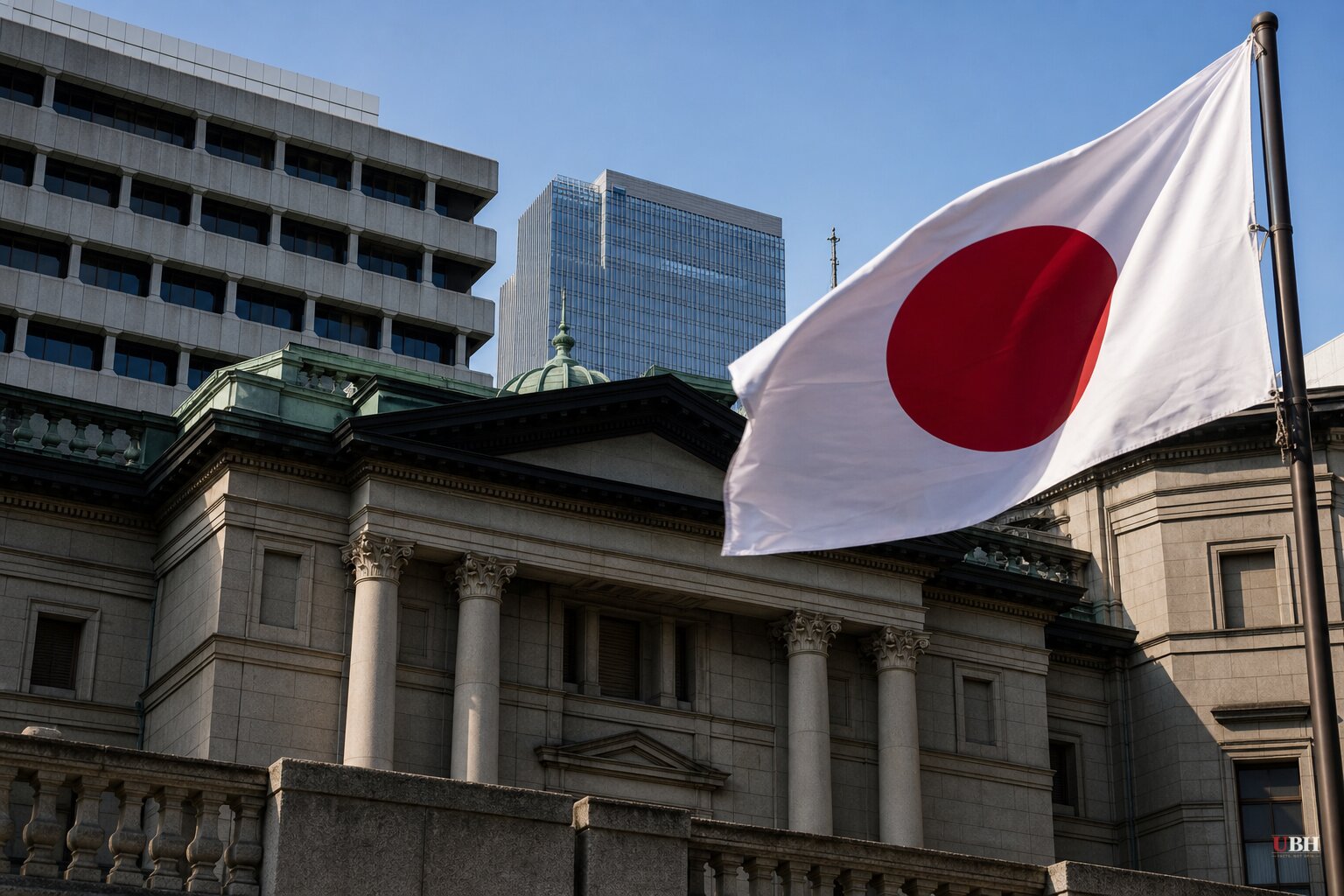
Treasury Secretary Scott Bessent spent the G20 finance leaders' meeting in Asheville, North Carolina, telling reporters he expects Japan to raise interest rates.
"I have information that the market doesn't have, and it's my belief that the Japanese government and the BOJ will do the things that will lead to a stronger yen," Bessent told CNBC on Monday, according to The Japan Times and SCMP, which both cited the interview. Asked directly if that meant a rate hike, Bessent said: "I think the market's pricing that in now."
He wasn't being coy the day before, either. Bessent told Reuters on Sunday he expects Bank of Japan Governor Kazuo Ueda to "do the right thing" on monetary policy to fight yen declines, according to Reuters reporting carried by WTAQ.
American officials have spent decades avoiding public commentary telling foreign central banks what to do with their own rates, precisely because central bank independence is supposed to cut both ways. Bessent has broken from that norm since at least October 2025, according to Crypto Briefing and KuCoin, both of which report he's been pushing for BOJ policy independence and higher rates for nearly a year.
Markets Are Already Betting On It
Swap traders now price roughly an 88% probability the BOJ hikes rates again, per Crypto Briefing and KuCoin. Reuters, in reporting picked up by WTAQ, says sources indicate the BOJ is set to raise rates as soon as its September 17-18 meeting and may even consider hiking every quarter afterward, rather than the roughly twice-a-year pace it's kept since restarting normalization.
The BOJ already lifted its policy rate to 1% in June 2026, the highest level since 1995, according to Crypto Briefing. For a country that spent most of three decades at or below zero, that's a real shift. Bessent has framed it as the end of Abenomics-era ultra-loose policy, the three-arrows strategy launched by former Prime Minister Shinzo Abe in 2013.
Japanese Finance Minister Satsuki Katayama met Bessent at the G20 gathering and said afterward that both countries agreed "orderly yen movement is critical for global market stability," according to Reuters, as reported by SCMP. She declined to say whether recent yen moves have actually been orderly. Bessent, for his part, told Reuters he doesn't see the recent moves as disorderly, which SCMP notes suggests Washington isn't eager to join Tokyo in another currency intervention right now.
Japan and the US already carried out a rare joint yen-buying intervention on July 31, and Japan alone spent $96.4 billion propping up the currency in July, according to Crypto Briefing and KuCoin. The dollar stood at 159.73 yen on Monday, per Reuters via WTAQ, still uncomfortably close to the 160 level markets treat as an intervention trigger.
The Debt Problem Bessent Isn't Talking About
Japan's government debt sits above 200% of GDP, among the highest of any developed nation, according to the Epoch Times, citing economists YiLi Chien and Ashley H. Stewart. Japan ran primary deficits averaging 5.1% of GDP since 1998, and its 10-year bond yield broke above 2.5% for the first time in 29 years back in April, per the same Epoch Times analysis. Higher BOJ rates mean higher borrowing costs on that debt pile. A government that spent 25 years financing itself for nearly free is now facing a very different math problem, and Bessent's public cheerleading for faster hikes doesn't change that arithmetic.
Separately, Breitbart's Business Digest has pushed back on the idea that Bessent and Federal Reserve Chairman Kevin Warsh are fighting over the domestic bond market. Bessent has been buying back long-term Treasury debt, which Breitbart frames as Treasury debt management, not monetary policy, and argues Warsh is fine with that division of labor. It's a separate fight from the Japan story, but it underscores how active a role Bessent is playing in bond markets on multiple fronts at once.
The BOJ meets September 17-18, when markets will test whether the move stabilizes the yen without triggering fresh stress in Japan's own debt market. What a faster BOJ hiking cycle means for demand for US Treasuries if Japanese institutions keep selling foreign assets to shore up home positions remains an open question.
Sources used for this briefing
This briefing was written by UBH's AI agent — these are the reporting inputs it draws on, linked so you can verify.


