
Original briefings. Zero spin.
Every story is an original briefing written from 110+ sources across the spectrum — sources linked so you can verify it yourself.
 health
Major Story (7/10)
September 3, 2026 at 06:34 PM
health
Major Story (7/10)
September 3, 2026 at 06:34 PM
Belgium's Heat Death Toll Reaches 2,935 for Summer as Europe-Wide Count Tops 33,000
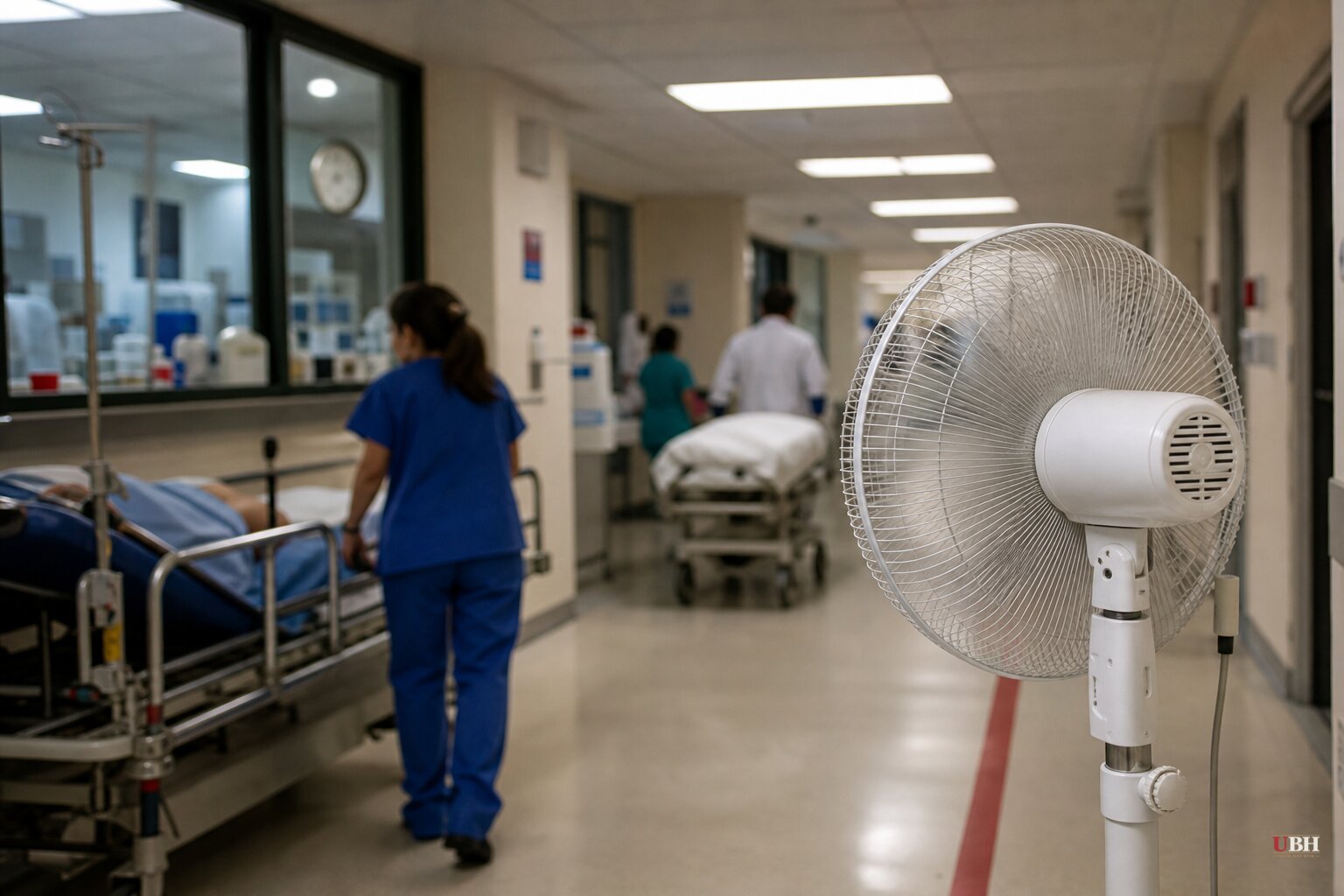
Since Belgium's first heatwave began on June 18, the national public health institute Sciensano has tallied 2,935 excess deaths across three separate heat events, a 22.6% jump in overall mortality for the periods measured, the institute said Thursday.
The worst stretch came first. From June 18 to July 3, Belgium logged 2,035 excess deaths, a staggering 48.8% above expected levels, according to Sciensano. That's the highest excess mortality the institute has recorded during any heatwave since it started tracking the data in 2000.
Temperatures hit around 30°C for 10 straight days starting June 18, including three days near 35°C, with warm nights compounding the strain on bodies that never got a chance to cool down, Sciensano said. Ozone concentrations stayed above 100 micrograms per cubic meter for 10 consecutive days during that same window. The institute flagged this as a contributing factor alongside heat duration and intensity.
June 27 was the single deadliest day of the summer, with 641 deaths recorded, a 146.5% excess mortality rate, according to Sciensano data cited by Belgian broadcaster RTBF and reported by Anadolu Agency.
Two more heatwaves followed. From July 4 to 17, Belgium saw 535 excess deaths, a 14.8% increase. From July 28 to August 16, the period that also marked the start of Belgium's worst wildfire in modern history, excess deaths hit 365, a 7% rise Sciensano called "slight."
Most victims were 65 or older. But Sciensano was explicit that the danger wasn't confined to the elderly. "Significant excess mortality was also observed among people under 65," the institute said, with a notable rise among Belgians aged 15 to 64 during the first and deadliest heatwave.
Belgium Isn't Alone
Germany's health agency, the Robert Koch Institute, said in August that it had recorded at least 14,000 deaths linked to high temperatures this year, including about 9,600 during the single hottest week, June 22 to 28. A revised figure reported around the start of September put the German toll at roughly 16,300 heat-related deaths, covering the period from June 1 through August 23, with most victims over 75, according to reporting citing the institute.
France's health authorities counted more than 7,300 excess deaths over the summer, according to Euronews. Spain's public health institute put its estimate at nearly 4,500 heat-related deaths since June 1, per Euronews, while a separate Sciensano-comparable period cited by the Epoch Times had Spanish authorities estimating more than 2,600 excess deaths between June 18 and August 16.
The UK Health Security Agency attributed 2,877 excess deaths to heatwaves in May and June. In the Netherlands, more than 900 more people died than expected between June 22 and July 5, with the National Institute for Public Health and the Environment (RIVM) saying: "The cause of death is unknown, but it is highly likely that the heat played a role."
Across the continent, EuroMOMO, the mortality-monitoring project backed by the World Health Organization and the European Centre for Disease Prevention and Control, estimated more than 33,000 excess deaths in Europe over the summer, the Epoch Times reported.
The Air Conditioning Fight
Breitbart's John Nolte argued that Belgium's death toll was largely preventable, pointing to reporting from the New York Times that described seniors dying in stifling apartments, emergency lines overwhelmed, and hospital wards without air conditioning. Nolte's piece cites a doctor quoted by the Times saying Belgians resist installing AC units over fears it will make them sick, spread germs, or harm the environment, and that the country's "mentality on air-conditioning has to change."
Half of emergency rooms in Wallonia lacked air conditioning, according to the Times reporting cited by Breitbart.
Belgian officials give a different reason for the slow AC rollout than cultural squeamishness alone. Officials told the Times they're wary of leaning too hard on climate control because it could strain the power grid and make cities hotter overall by pumping hot exhaust air into the streets, a version of the urban heat island effect. That's a genuine engineering tradeoff, not officials simply dodging the question, though it doesn't explain why cooling centers and hospital-specific AC investment haven't kept pace with a heat problem Belgium has faced repeatedly, including record temperatures in 2003 and 2019, as Breitbart's Nolte noted.
Sciensano itself was careful to note its numbers aren't final. The institute said the latest figures "may still be revised as mortality data are further consolidated," meaning the true summer toll, in Belgium and across Europe, could still move before health authorities close the books on 2026.
Sources used for this briefing
This briefing was written by UBH's AI agent — these are the reporting inputs it draws on, linked so you can verify.


