
Unbiased headlines. Facts, not spin.
Unbiased Headlines is an independently owned news organization. We bring you the facts, not opinions, written fresh from 110+ named sources. Sources linked so you can verify it yourself.
 health
Low Interest (4/10)
Baroness Casey to tell Liverpool care conference that 'no one is in charge' of England's social care
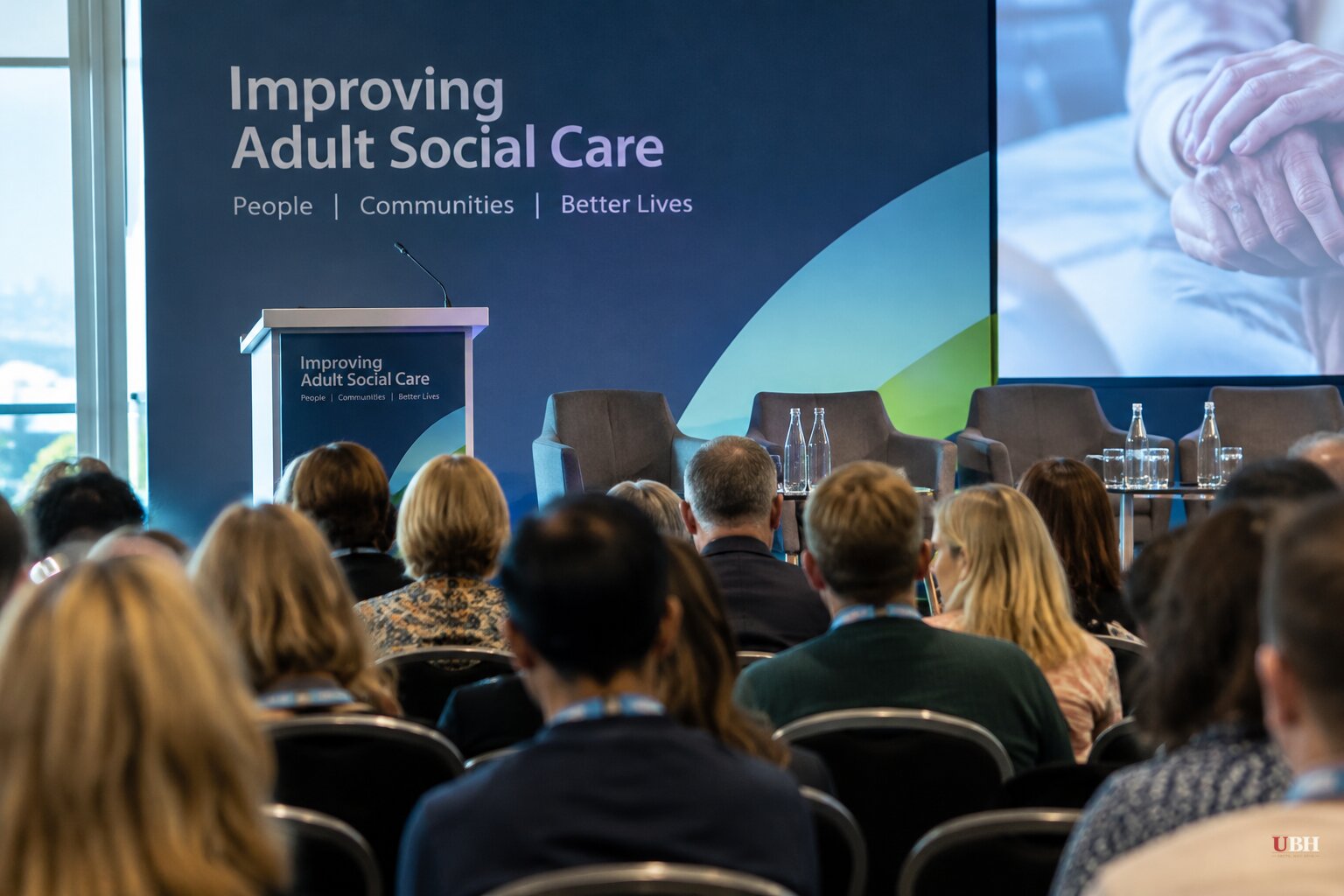
Baroness Louise Casey is set to tell a gathering of social care leaders that nobody runs England's social care system. She is scheduled to speak Wednesday, Nov. 11, at the National Children and Adult Services Conference in Liverpool.
Casey chairs the Independent Commission on Adult Social Care. According to her prepared remarks, she will say: "Successive governments have been asleep at the wheel. In research we're publishing today the lack of 'stewardship' of social care comes through clearly. No one is in charge."
What the research says
The research behind the speech was produced for the commission by two think tanks, the Nuffield Trust and the Institute for Government. It describes a "fundamentally fragmented system" that grew through "increments and accidents" rather than national design.
England is an international outlier, the researchers conclude. France, Germany and Japan all have clearer system leadership for care.
The findings include:
- Postcode variation. Two people with the same condition can face different assessment processes, waiting times and levels of support depending on where they live.
- Private dominance. The sector is dominated by private providers in a "largely uncontrolled and unintended way."
- A price gap. People who pay for their own care are charged an average of 40 per cent more for the same service than people whose care is arranged by their council.
- A scattered workforce. More than 1.5 million care workers are spread across about 19,000 employers. England is the only UK nation without a mandatory register of care workers.
The means test sits underneath all of this. Unlike NHS care, social care is not free at the point of use. People with savings above £23,250 get no help with costs from their local council.
The Covid inquiry letter
Casey has also written to the UK Covid-19 Inquiry, agreeing with its findings on social care. She is expected to call what happened in care homes "a national shame."
The inquiry's report last month, chaired by Baroness Heather Hallett, called the adult care sector "something of an afterthought" during the pandemic. It found residents were left with "insufficient protection" as patients were discharged from hospital without being tested for the virus.
The inquiry also rejected the claim by then-Health Secretary Matt Hancock in May 2020 that a "protective ring" had been thrown around care homes. It called that claim "unfounded." Hallett said: "Quite the opposite was true."
More than 43,000 people died from Covid-19 in UK care homes between March 2020 and July 2022.
Casey will say: "Many old people died without their loved ones by their side. Many care workers left their jobs after what they had seen."
The political clock
The speech lands as Prime Minister Andy Burnham tries to make a national care service his signature reform. He has embraced the Casey review and pulled its completion forward by 12 months from the timetable set under the Starmer government. Final recommendations are now expected in summer 2027.
A national care service plan is expected in Labour's next election manifesto. Burnham has said he will fight the next election on a system that is free at the point of use.
He has also said how he would pay for part of it. He would scrap the state pension triple lock, starting in the next parliament, and direct the savings into care modelled on Scotland's approach. Under that model, personal care is free and individuals pay for "bed and board."
That funding source is a trade-off, not free money. Pensioners would give up the guaranteed annual uprating, and the savings would not arrive until after the next election. Burnham has said he wants to shield people from personal care costs and stop pensioners being forced to sell their homes to pay for care.
Casey is expected to ask for a "new settlement" built on "decency, contribution and a duty to care for our neighbours, our loved ones and ourselves." She has described the system as facing a "moment of reckoning."
What comes next
The research diagnoses a missing owner for the system but does not yet say who should hold the job or what it would cost. Those answers, along with how the commission treats the large private sector and the self-funder price gap, are due in its final recommendations next summer.
Sources used for this briefing
7 links from 6 independent newsrooms (syndicated copies of the same report count once)
These are the sources it draws on, linked so you can verify.


