
Unbiased headlines. Facts, not spin.
Every story is an unbiased news briefing written from 110+ sources across the spectrum — sources linked so you can verify it yourself.
 health
Notable (5/10)
Event date: September 11, 2026
health
Notable (5/10)
Event date: September 11, 2026
Australian Study Ties Womb Exposure to Common Plastic Chemical to Autism and ADHD Traits, But Researchers Say It's Not Proof
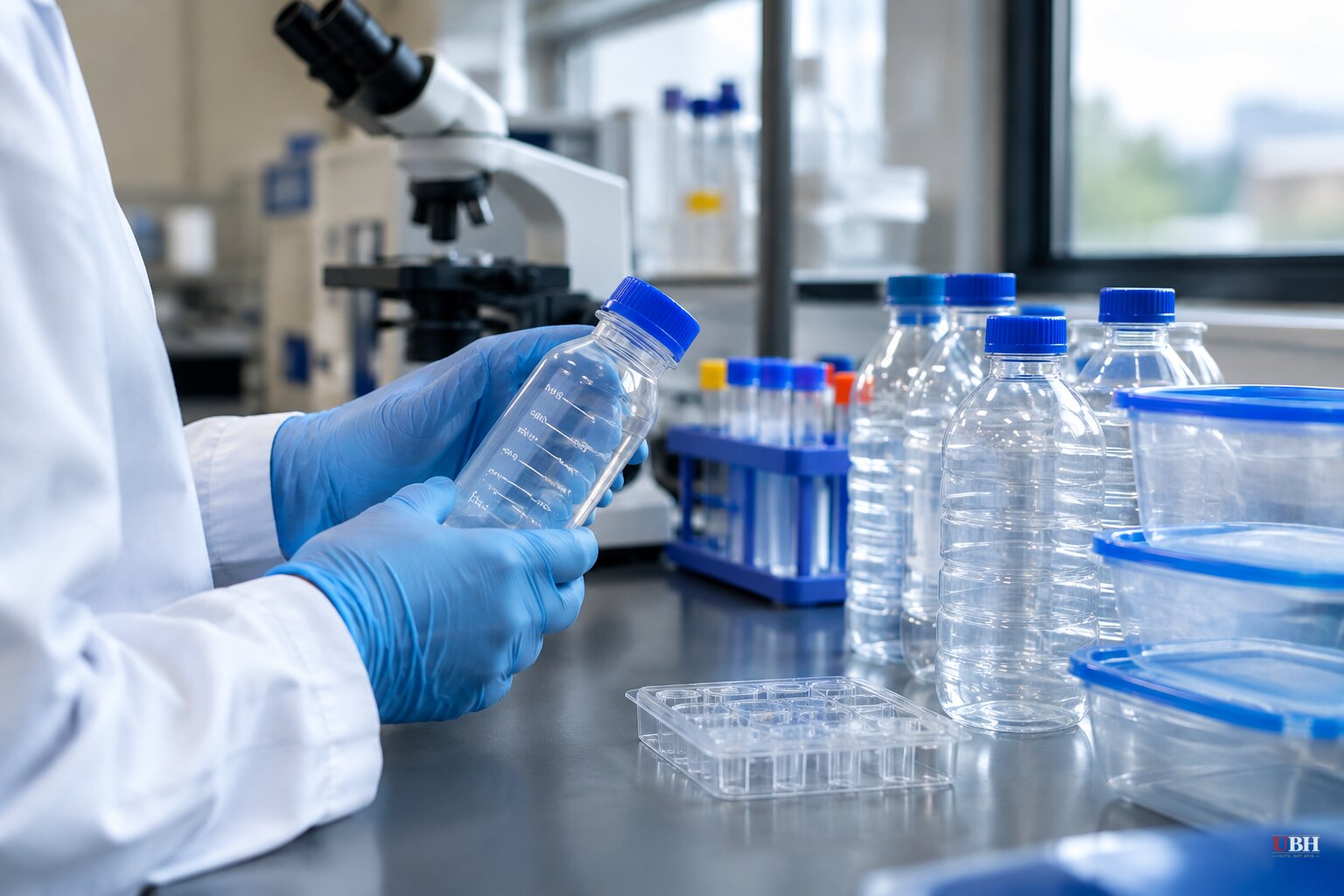
Researchers in Australia say they've found a biological thread connecting a common plastic chemical to autism and ADHD symptoms in young kids. The study, published in the Cell Press journal Med, is already generating buzz and being oversimplified in places. Here are the actual facts.
What the study actually did
The research team, led by bioinformatics analyst Sam Tanner at the University of Melbourne, studied 847 children enrolled in the Barwon Infant Study, a long-running Australian birth cohort. They measured maternal exposure to DEHP, a phthalate chemical used to make plastics flexible, during pregnancy.
They then looked at DNA methylation patterns, an epigenetic marker that can switch genes on or off without altering the underlying DNA, in umbilical cord blood collected at birth. Kids were followed through ages two and four for behavioral symptoms tied to autism and ADHD.
Higher prenatal DEHP exposure lined up with specific methylation signatures in cord blood. Those same signatures were associated with higher autism- and ADHD-related symptom scores later in childhood, according to the study as reported by Newsweek. The affected gene networks overlapped with genes already tied to brain regions involved in attention, social behavior and emotional processing. The team says it found similar signatures in independent blood and brain datasets, which adds some weight to the finding.
Correlation, not causation, and the researchers say so
Science Alert, which interviewed lead author Sam Tanner and senior author Anne-Louise Ponsonby directly, was blunt about it: prior research linking DEHP to autism and ADHD symptoms has always been correlational. This new study adds a plausible biological mechanism, but it does not establish that DEHP causes autism or ADHD.
Professor Mirko Uljarevic of The Kids Research Institute, who was not involved in the study, told Newsweek the work is methodologically sophisticated and helps address a long-open question about how prenatal phthalate exposure might connect to later development. But he cautioned against reading it as proof of causation.
Ponsonby herself, a neuroepidemiologist at the Florey Institute of Neuroscience and Mental Health, framed it the same way. "Autism is a complex multifactorial disease," she told Newsweek. "Some risk factors are potentially modifiable and others are not." That's a researcher being honest about the limits of her own data, not a scientist declaring case closed.
The bigger push: what should be done about it
Where the story gets more contestable is what Ponsonby thinks should happen next. She told Science Alert that "chemical exposure levels are mainly determined at the population level and are not easily a matter of personal choice," and called for "global plastic control efforts" to weigh this kind of evidence, especially for pregnant women and infants.
That's a fair position for a public health researcher to argue, and it deserves to be heard on its own terms. If a chemical is baked into food packaging and water systems, individual avoidance only goes so far. But it's also a big policy ask built on one correlational study that its own authors say isn't proof of causation. Reasonable people can support more research without signing on to sweeping new global regulation based on a single 847-child cohort.
DEHP shows up in vinyl upholstery, garden hoses, shower curtains, medical tubing and synthetic leathers, according to Science Alert, and it's known to leach out of those products into food, water and dust. Separate reporting from Science Friday, via the 19th News, documents a wider concern among toxicologists about microplastics generally, which have been found in human blood, brains, hearts and reproductive organs, and tied to inflammation and oxidative stress in petri dish studies. Toxicologist Sam Adams, who studies particulate pollution during pregnancy and had her own baby in April 2026, told Science Friday she uses HEPA filters and bottled water at home, calling some exposure simply unavoidable.
That's a personal precaution any parent can weigh for themselves, no government mandate required.
What's still unknown
The study does not identify a safe exposure threshold for DEHP, and it doesn't establish how much of the methylation signal is driven by DEHP specifically versus other chemicals or maternal factors that track alongside it. Replication in larger, more diverse cohorts outside Australia hasn't happened yet. Until it does, this remains one well-designed study pointing at a plausible mechanism, not a settled verdict on what's driving rising autism and ADHD diagnoses.
Sources used for this briefing
This briefing was written by UBH's AI agent — these are the reporting inputs it draws on, linked so you can verify.


