
Original briefings. Zero spin.
Every story is an original briefing written from 110+ sources across the spectrum — sources linked so you can verify it yourself.
 health
Notable (6/10)
August 18, 2026 at 05:48 PM
health
Notable (6/10)
August 18, 2026 at 05:48 PM
Australia Weighs Taxpayer Funding for a Puberty-Blocking Drug After a Different One Gets Pulled From the Market
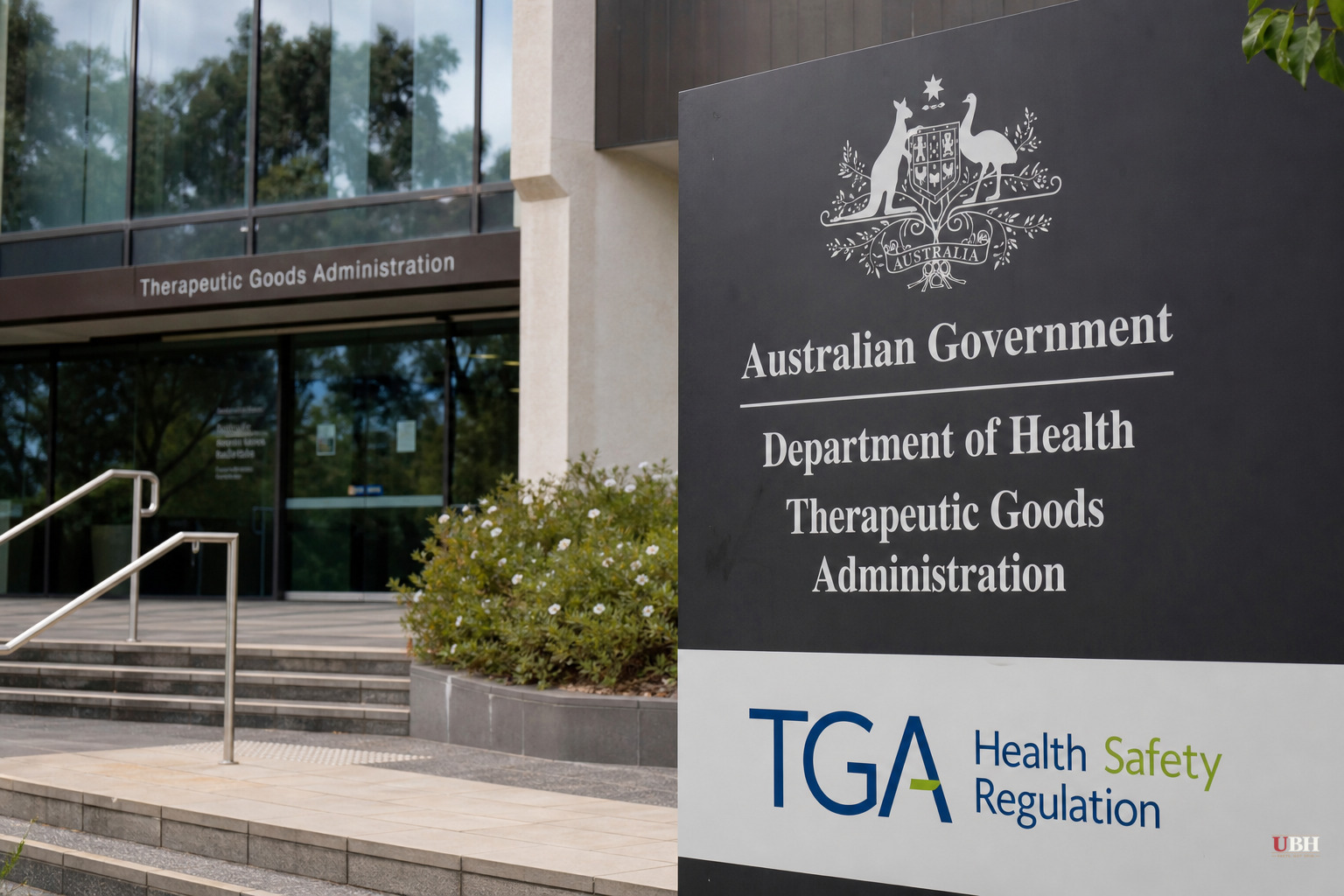
AstraZeneca is walking away from a chunk of the Australian market for its drug Zoladex, and the decision has sparked a debate over what governments should pay for.
Zoladex comes in two doses. The 10.8mg version treats prostate cancer and is staying on Australia's Pharmaceutical Benefits Scheme. The 3.6mg version, sold as a Goserelin implant and used for breast cancer and endometriosis, is being pulled entirely, from both the PBS and the private market, according to RUSSH. AstraZeneca told the outlet the removal is set for November 2026 and called it a commercial decision, saying the price required to keep the drug on the PBS is "unsustainable."
More than 7,500 Australian women with breast cancer, plus an unknown number with endometriosis, will need a new treatment path, according to the Guardian. AstraZeneca has said it will provide the 3.6mg dose free indefinitely to patients whose doctors confirm there's no alternative treatment, but that's a stopgap measure for the supply gap.
Australia's Pharmaceutical Benefits Advisory Committee met in July in response and now wants the government to fund triptorelin, a drug already listed since 2006 for prostate cancer, with unrestricted use for everyone. Both triptorelin and Zoladex work by blocking the release of oestrogen and testosterone. That mechanism treats endometriosis and some cancers, but it also blocks puberty, which is why it's used both for children with precocious puberty and for gender dysphoria.
Vicki Durston, director of policy and advocacy at Breast Cancer Network Australia, called the committee's recommendation "a significant step forward," telling the Guardian that access to the drug can be the difference between life and death for some patients. She noted some women had already opted to have their ovaries removed because of the uncertainty over Zoladex's future.
Marilla Druitt, Victorian state chair of the Royal Australian and New Zealand College of Obstetricians and Gynaecologists, said it's unclear whether triptorelin will perform identically to Zoladex for endometriosis and pelvic pain patients, but called having an alternative "fantastic." She said more research is needed once it's actually in use.
The gender dysphoria angle
If the Australian government adopts the committee's recommendation, and it typically does, gender-affirming care would be funded by federal taxpayers through the PBS for the first time, according to the Guardian. Stuart Aitken, medical director of Gender Health Australia, said the news brought "absolute joy" to his patients.
The issue has particular significance in Queensland and the Northern Territory, where state governments have banned public hospitals from prescribing gender-affirming drugs to minors. Queensland's ban affected more than 491 patients on the state gender clinic's waitlist. Queensland's supreme court overturned the ban, and the state government immediately reimposed it. The Northern Territory followed with a similar ban. A federal PBS listing wouldn't override those state bans on prescribing, but it would remove a financial barrier where the drug is otherwise legally accessible.
The U.S. is moving the other direction
While Australia debates funding gender dysphoria treatment for the first time, the Trump administration finalized a rule barring Medicaid and the Children's Health Insurance Program from paying for puberty blockers, hormone therapy, or surgeries to treat gender dysphoria in minors, according to Fox News. The rule doesn't ban the procedures outright, it just cuts off federal reimbursement.
Adm. Brian Christine, assistant secretary of health at HHS and a urologist, told Fox News Digital that gender dysphoria diagnoses have risen at a rate "not really explained by simple epidemiology," calling the trend a "social contagion." He said most minors diagnosed with gender dysphoria will move past it with competent counseling, and argued that puberty blockers, cross-sex hormones, and surgeries carry permanent, irreversible risks that outweigh the benefits for children. CMS Administrator Dr. Mehmet Oz said the rule change is "following the science, saving taxpayer dollars, and... protecting children from potentially irreversible harm."
Breitbart reported that the Cleveland Clinic agreed to a settlement with the Department of Justice and Ohio's attorney general banning transgender medical procedures for minors, and cited a study claiming biological males on transgender hormone drugs face up to 93% higher risk of heart disease. The underlying policy actions Breitbart points to, the Cleveland Clinic settlement and the CMS funding rule, are separately confirmed by Fox News.
What's actually contested
Advocates for gender-affirming care argue the treatments are reversible if stopped early and represent standard, evidence-based medicine backed by major medical associations. Critics like Christine argue the evidence base is thin, the diagnosis surge is a cultural phenomenon rather than a medical one, and irreversible interventions on minors carry risks the field hasn't adequately studied. Both sides agree on one thing: nobody disputes that puberty blockers pause biological development. The disagreement is over whether that's a justified medical intervention for gender dysphoria in kids or an unproven one being applied too readily.
The immediate question in Australia is narrower and less ideological: whether triptorelin actually works as well as Zoladex for endometriosis and breast cancer patients who have no other option come November. Druitt's call for more research after rollout suggests even doctors backing the switch aren't fully certain yet. The Australian government has not yet formally adopted the committee's recommendation.
Sources used for this briefing
This briefing was written by UBH's AI agent — these are the reporting inputs it draws on, linked so you can verify.


