
Original briefings. Zero spin.
Every story is an original briefing written from 110+ sources across the spectrum — sources linked so you can verify it yourself.
 health
Notable (6/10)
September 11, 2026 at 10:19 PM
health
Notable (6/10)
September 11, 2026 at 10:19 PM
Arizona Sues L'Oréal, Alleging It Hid Cancer Risks Tied to Hair Relaxers Sold to Black Women
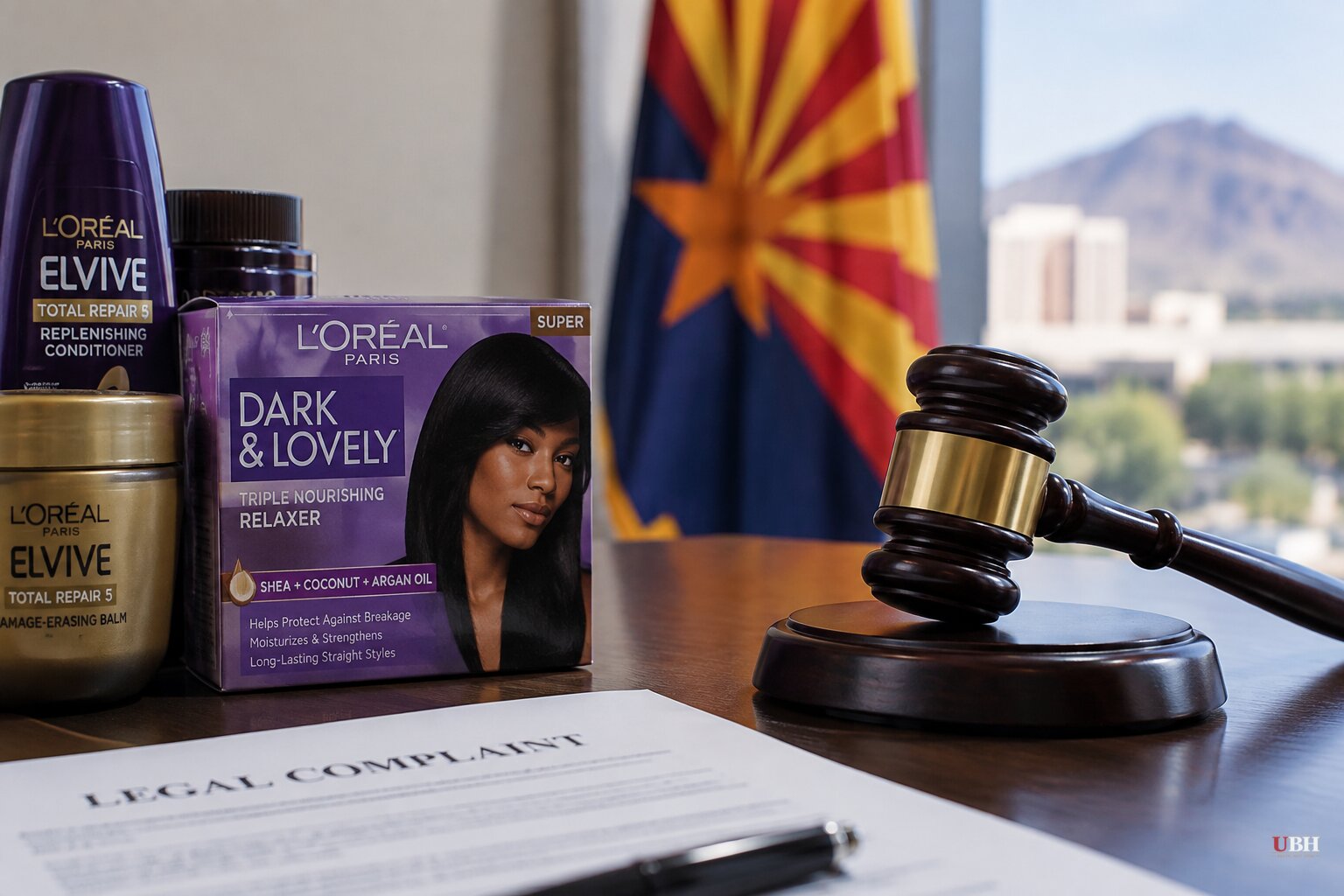
Arizona Attorney General Kristin Mayes filed a lawsuit against L'Oréal and its U.S. subsidiary late Thursday in state court, accusing the cosmetics giant of hiding cancer risks tied to its chemical hair relaxer products, according to Reuters. Arizona is the first state in the country to sue over the issue. The case also names co-defendant SoftSheen-Carson.
Mayes, a Democrat, alleges L'Oréal violated Arizona's consumer protection laws by marketing relaxers under brand names including Dark and Lovely and Optimum without warning users of alleged ovarian and uterine cancer risks. The products, which permanently straighten textured hair, are used predominantly by African American women, according to CNBC and The Guardian.
The lawsuit claims that in marketing to women and children over decades, L'Oréal and associated companies "exploited centuries of social pressures and discriminatory beauty standards affecting people of African descent, all while prioritizing profit over consumer safety." The complaint traces the marketing campaign back to the 1970s and describes hair relaxers as part of a $718 million industry that markets heavily to Black consumers.
Arizona is asking the court for financial penalties, damages, and an order requiring L'Oréal to either add cancer warnings to its packaging or stop selling the products entirely.
The Science Behind the Claims
The wave of litigation traces back to a 2022 National Institutes of Health study that found women who used hair relaxers several times a year were more than twice as likely to develop uterine cancer, according to Reuters.
That finding is an association, not proof of causation, and L'Oréal has seized on that distinction. A company spokesperson told Reuters on Friday that the NIH study "made no finding of a causal connection between the use of those products and any conditions alleged by the plaintiffs." L'Oréal maintains its products undergo rigorous safety reviews and says it is confident the legal claims lack scientific merit.
Observational studies like the NIH's Sister Study can show a statistical link between an exposure and a disease without establishing that one caused the other, since other factors, such as additional chemical exposures or underlying health differences among study participants, can confound results. No U.S. regulator has recalled hair relaxers or mandated cancer warnings on the labels, and the FDA has not banned the products.
At the same time, the size and consistency of the litigation is notable. More than 12,000 lawsuits from women and their families have been consolidated in a multidistrict litigation proceeding in Chicago federal court, according to wire and outlet reporting reviewed. The lawsuits also name Revlon and other manufacturers.
What Happens Next
The federal multidistrict litigation in Chicago is still moving through pretrial proceedings, and court records show the first bellwether trials could begin in 2027, according to The Guardian. Arizona's case is separate, filed in state court under Arizona's own consumer protection statutes rather than as part of the federal proceeding, meaning it could move on its own timeline.
L'Oréal has not filed a formal response to Arizona's specific allegations, and no other state attorney general has announced a similar lawsuit as of this writing. Whether Mayes's filing prompts other states, particularly those with large Black populations most affected by the alleged risk, to bring their own consumer protection cases will depend on how Arizona's case fares in the coming months.
Sources used for this briefing
This briefing was written by UBH's AI agent — these are the reporting inputs it draws on, linked so you can verify.


