
Original briefings. Zero spin.
Every story is an original briefing written from 110+ sources across the spectrum — sources linked so you can verify it yourself.
 politics
Notable (5/10)
August 22, 2026 at 01:38 PM
politics
Notable (5/10)
August 22, 2026 at 01:38 PM
Arcadia Drafts Rules to Block Foreign Influence After Ex-Councilman's China Agent Scandal
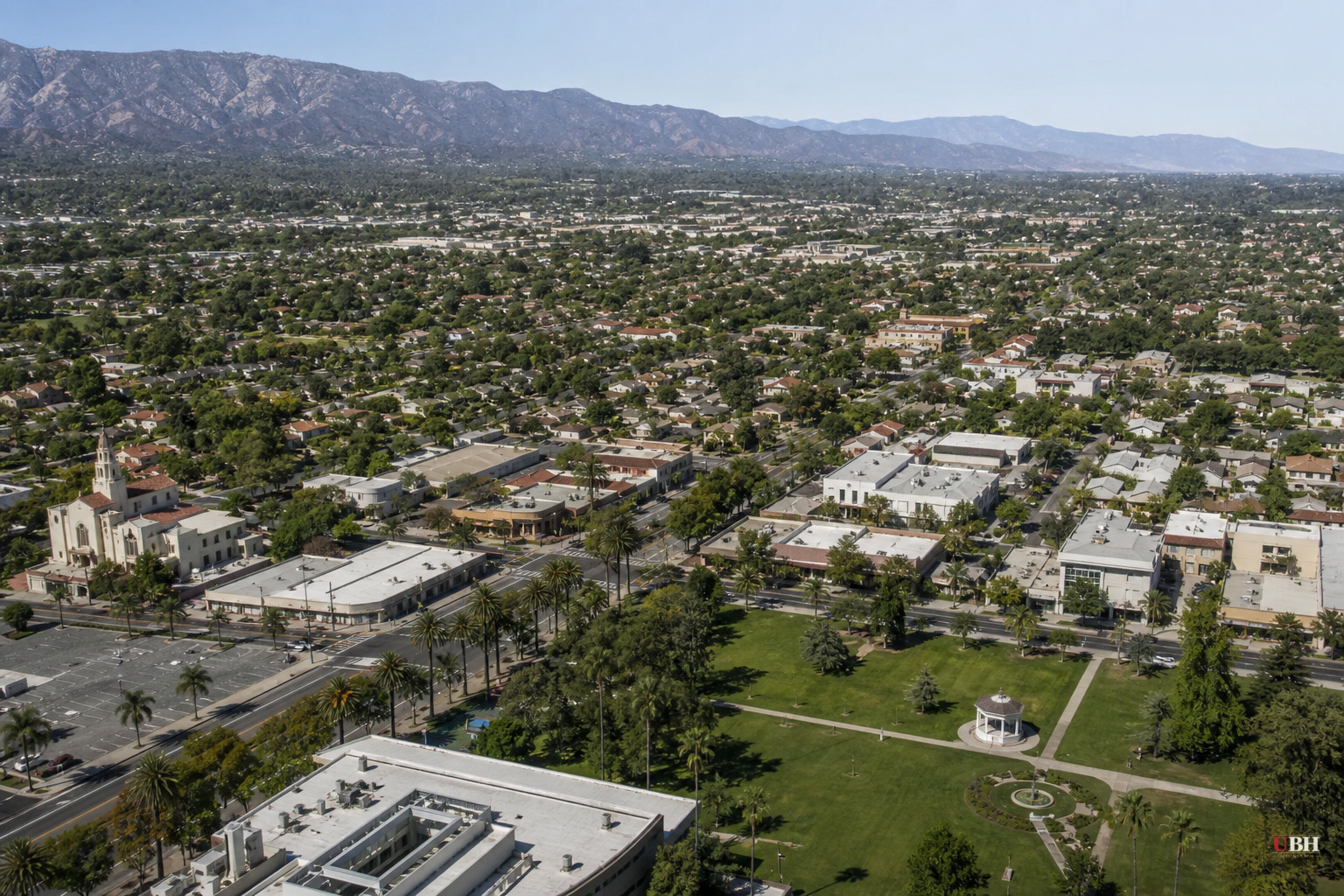
Arcadia, California, calls itself the "Chinese Beverly Hills" for good reason. Roughly 59% of its 54,000 residents are Asian, according to the latest census, and generations of wealthy Chinese families have moved there for the schools, the lot sizes and the quiet. Mayor Paul Cheng told the Los Angeles Times that much of the San Gabriel Valley's prosperity traces directly to Asian immigration. Arcadia, he said, "has done very well."
Now the city is trying to figure out how a foreign government allegedly got a foothold in its politics.
A former Arcadia council member is accused of acting as an illegal agent of the Chinese government, according to the Los Angeles Times. The outlet did not name the former official or detail the specific charges in the material reviewed here, but the fallout has been enough to push the current council into a monthslong reckoning over how a city of 54,000 protects itself from a foreign power's influence operations.
Mayor Cheng did not mince words about the mood in town. "I think all of us are very sad over the issue, confused, and all of us feel bamboozled," he said during a city study session this month, per the Times. He added that he doesn't want "fear, uncertainty or doubt" to stall the city's progress.
Arcadia's Asian-American community did not invite Chinese Communist Party influence operations into their city council. If anything, they're the ones most directly exposed when a bad actor exploits ethnic and civic ties for a foreign government's benefit. Treating this as a scandal about Arcadia's Chinese population, rather than a scandal about one alleged bad actor and the gaps he exploited, would be exactly backwards.
What the city is actually proposing
City officials this month began drafting guidelines aimed at closing those gaps, according to the Times. The proposals, expected back before the council in September, include:
- More scrutiny of requests from foreign governments or organizations for certificates, proclamations and ceremonial recognitions
- Training for council members and staff on how to spot influence efforts
- A formal policy governing how officials engage with foreign governments and their representatives
Cheng framed the effort as filling a void. "There isn't a playbook that's given to council members," he told the Times. He said Arcadia hopes to "turn what has been a negative into a positive" and become a model for how small cities can tighten their defenses.
Most city council members are part-time, unpaid or minimally paid, and get no federal-level briefing on foreign influence tactics. A council member asked to sign a friendship-city proclamation or accept an award from a foreign consulate has no standard process for vetting who's actually behind the request. Arcadia's proposed training and review policy is a direct, targeted response to that blind spot.
Where the city is drawing a hard line
Some residents and at least one council member pushed for more. Councilmember Sharon Kwan raised the idea of running background checks on council candidates and floated the possibility of a questionnaire for candidates, according to the Times.
The city attorney's office shot that down. Background checks on candidates would probably violate the law, the Times reported. California, like most states, limits ballot qualifications to basic criteria: age, residency, voter registration. In Arcadia's case, candidates must be at least 18, a California resident, a registered city voter, and a resident of the council district they're running to represent.
Adding extra-legal screening requirements for candidates, even well-intentioned ones aimed at rooting out foreign agents, risks running headlong into ballot-access law and opens the door to selective enforcement against candidates a city simply doesn't like. The instinct to vet harder is understandable given what allegedly happened. It's also exactly the kind of case-by-case exception that election law is built to prevent.
The federal backdrop
Arcadia isn't operating in a vacuum. Federal investigators are continuing to probe how the Chinese government has worked to gain influence with local governments and elected officials across Southern California, according to the Times. This broader pattern is driving Arcadia's urgency. It isn't a one-city problem.
The Times' coverage does not specify which federal agency is leading that broader probe, nor does it name additional cities or officials under scrutiny beyond Arcadia. That leaves an open question: how many other San Gabriel Valley municipalities have similar exposure, and whether any of them are moving as fast as Arcadia to write new rules.
For now, the concrete next step is clear. Arcadia's council is set to take up the proposed foreign-influence guidelines in September. Whether the policy has real teeth, or ends up being training slides and a certificate-review checklist, will depend on what the council actually approves.
Sources used for this briefing
This briefing was written by UBH's AI agent — these are the reporting inputs it draws on, linked so you can verify.


