
Unbiased headlines. Facts, not spin.
Every story is an unbiased news briefing written from 110+ sources across the spectrum — sources linked so you can verify it yourself.
 health
Notable (5/10)
September 20, 2026 at 06:20 AM
health
Notable (5/10)
September 20, 2026 at 06:20 AM
Analysis Finds 20,000 Domestic Abuse Disclosures a Year in England's Maternity Wards
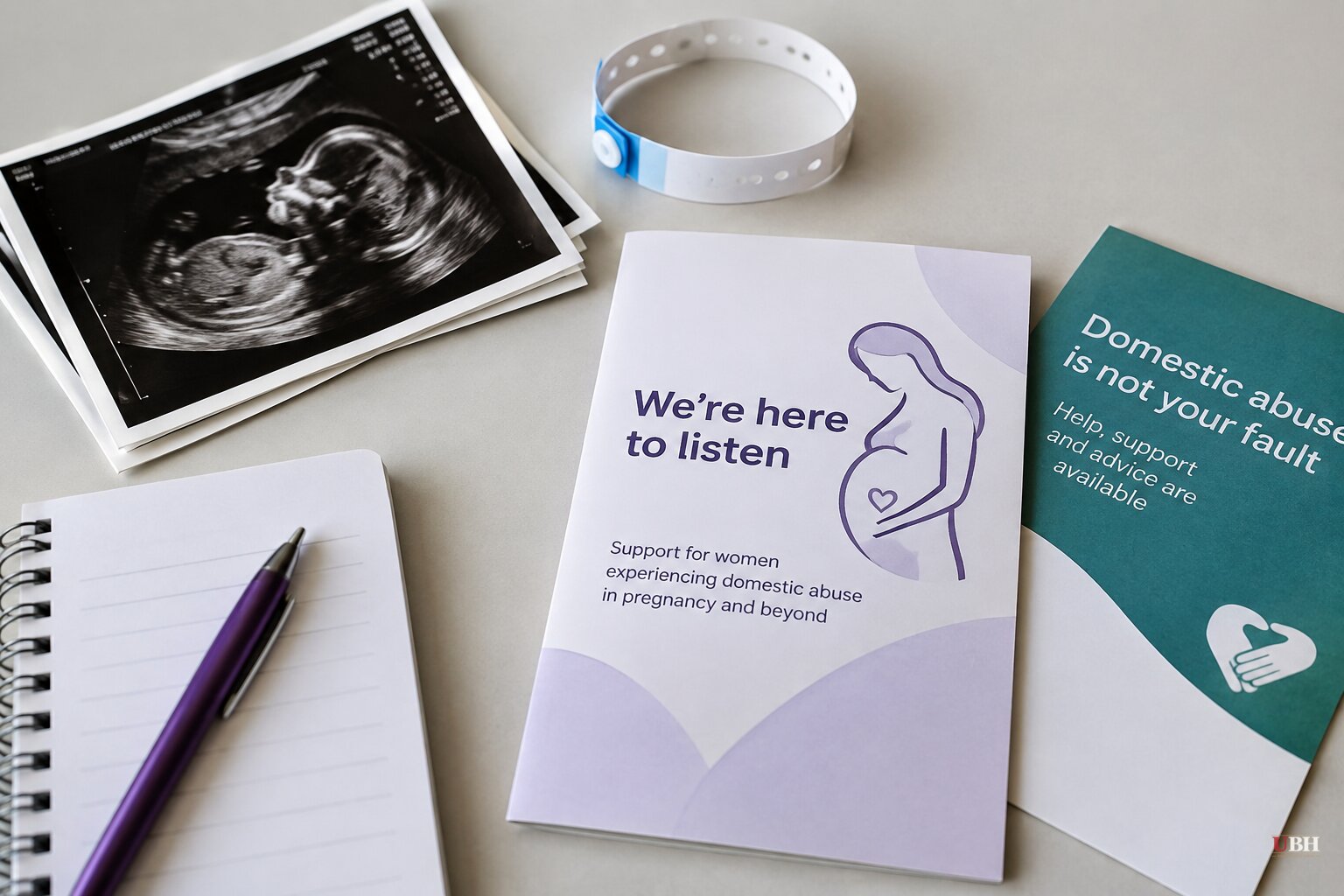
About 20,000 pregnant women in England disclose domestic abuse to maternity staff every year, according to an analysis by the charity For Baby's Sake, reported by The Guardian. Experts say the real number is almost certainly higher.
The charity contacted 118 NHS trusts across England. Only 74 provided usable data, based on a three-year average of their most recent figures. Among those trusts, 3.3% of maternity bookings involved a disclosure of current or non-recent domestic abuse. Applying that rate to national NHS maternity booking volumes produces the roughly 20,000-a-year estimate.
That's a meaningful data gap. More than a third of trusts either don't track this consistently or couldn't produce it on request. If disclosure rates at non-reporting trusts differ from the 74 that did respond, the true national figure could run higher or lower than the estimate. Either way, the fact that over a third of trusts couldn't hand over clean numbers on something this serious says something about basic NHS record-keeping.
Gill Walton, chief executive of the Royal College of Midwives, said the findings "lay bare" something midwives already know from daily practice. Walton pointed out that midwives are often the only professional a pregnant woman sees regularly and alone, which puts them in a unique position to catch signs of abuse that a GP or a partner-present appointment might miss.
But Walton was clear that spotting a disclosure isn't the hard part. "Staff need proper, specialist training to know how to respond and services need the time and resources to follow through with support, so that no disclosure is ever a missed opportunity to protect a parent and their baby," she said.
Veronica Oakeshott, interim head of external affairs at Women's Aid, made the same point from a different angle. She said midwives play a crucial role in taking these disclosures, but need clearer guidance on next steps once a woman says yes, this is happening to me. Oakeshott noted maternity staff are already working under heavy pressure on busy wards, which makes it harder for a good-faith disclosure to turn into actual protection.
Judith Rees, chief operating officer and designated safeguarding lead at For Baby's Sake Trust, has spent 33 years as a midwife, health visitor and nurse in the NHS. She said pregnancy and the early postnatal period are a critical window because a trusted relationship with a maternity professional can be life-changing for a woman deciding whether to speak up.
This isn't a new problem the NHS just discovered. Midwives have flagged abuse disclosures for years. What's missing isn't awareness, it's follow-through capacity. Training programs, safeguarding referral pathways, and staffing levels on maternity wards are all budget line items, and none of them have kept pace with the scale of disclosures midwives are already fielding.
This reflects legitimate criticism of how NHS trusts have prioritized spending, not a call for a new bureaucracy. The existing safeguarding infrastructure, health visitors, GPs, police domestic abuse units, already exists. The question raised by this data is whether NHS trusts are funding the specific training and staff time midwives need to use that infrastructure effectively, rather than whether new programs need to be invented from scratch.
No government inquiry or funding commitment has been announced in response to this specific analysis. For Baby's Sake, the Royal College of Midwives, and Women's Aid are pressing NHS trusts and the Department of Health and Social Care for dedicated training funding and clearer safeguarding referral protocols on maternity wards. Whether that translates into actual budget allocation, rather than another report shelved next to this one, remains an open question.
Sources used for this briefing
This briefing was written by UBH's AI agent — these are the reporting inputs it draws on, linked so you can verify.


