
Unbiased headlines. Facts, not spin.
Every story is an unbiased news briefing written from 110+ sources across the spectrum — sources linked so you can verify it yourself.
 health
Notable (5/10)
August 16, 2026 at 11:04 AM
health
Notable (5/10)
August 16, 2026 at 11:04 AM
American Surgeon Says He Amputated Gaza Girl's Leg Without Anesthesia After Supplies Ran Out
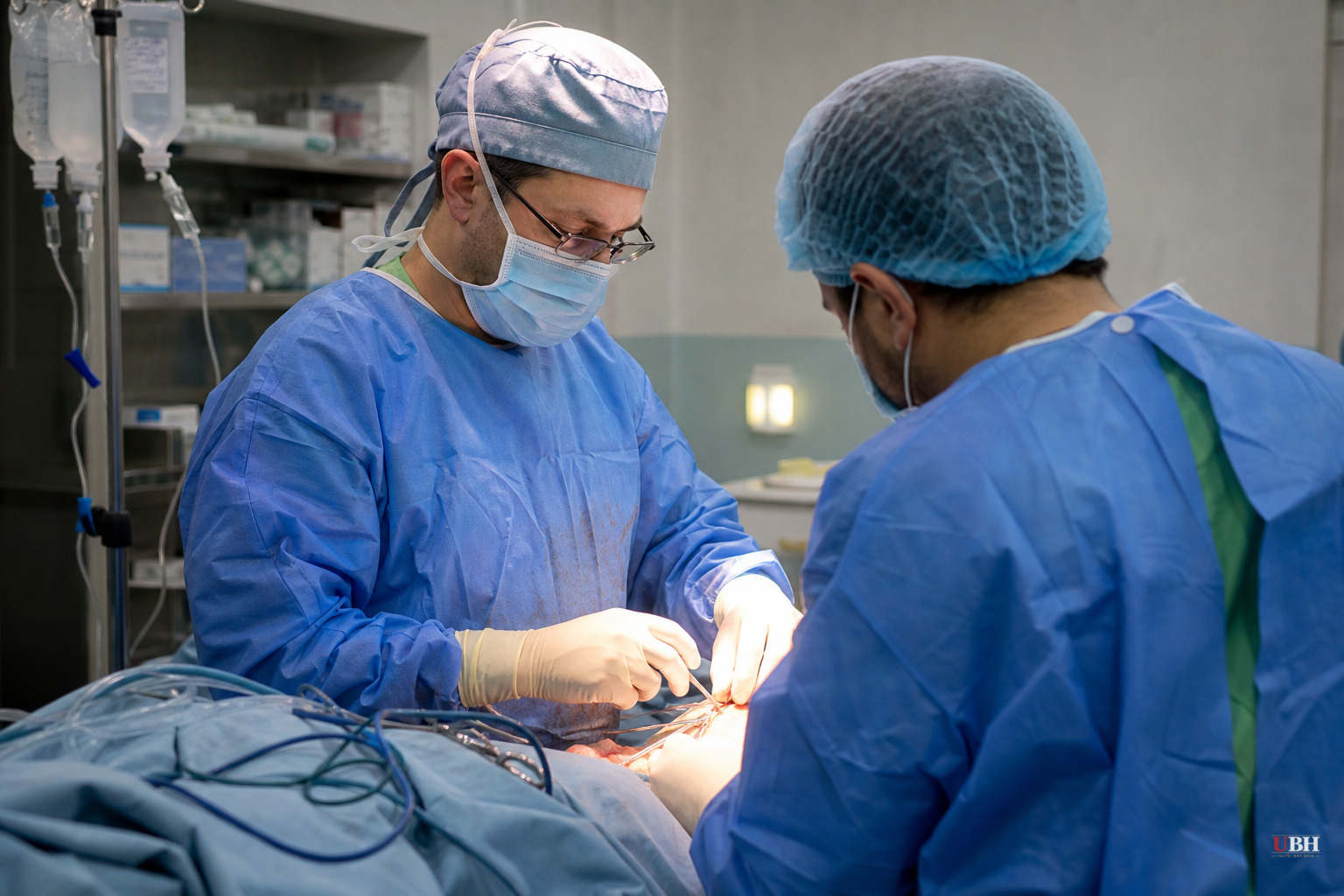
Orthopedic surgeon Mark Perlmutter told Al Jazeera he amputated the leg of a five-year-old girl in Gaza without anesthesia after medical supplies ran out at the facility where he was working. Perlmutter said staff sang to the child to comfort her while she remained conscious through the operation. "We were praying for her to faint," he told Al Jazeera.
The account is graphic and, if accurate, describes a level of medical breakdown that should alarm anyone regardless of politics. Amputating a limb on a fully conscious five-year-old is the kind of thing that happens when a health system has completely collapsed.
What we know and don't know
Al Jazeera's report is built entirely on Perlmutter's own account. There's no independent verification in the source material of the hospital name, the exact date, or documentation confirming the anesthesia shortage at that specific facility on that specific day. Perlmutter is described as a volunteer surgeon who traveled to Gaza; his motivations for speaking out and his specific credentials beyond "orthopedic surgeon" aren't detailed further in the available reporting.
A single first-person account, however harrowing, is not the same as an independently confirmed medical record. Doctors who volunteer in war zones are frequently the only eyewitnesses to what happens inside hospitals that reporters can't easily access. Readers should treat this as a credible allegation from a named, on-record source, not as an adjudicated fact.
The broader supply picture
Reports of medical shortages in Gaza have been documented for extended periods by multiple humanitarian organizations, including the World Health Organization and the International Committee of the Red Cross, which have separately flagged disruptions to fuel, medicine, and equipment entering the territory throughout the war. Israel has repeatedly stated that it allows humanitarian aid, including medical supplies, into Gaza and has pointed to inspection and security requirements as the reason for delays, arguing those checks are necessary because Hamas has been documented diverting aid in the past.
Israeli officials and their defenders have consistently said restrictions on aid flow are a security necessity, not an attempt to starve hospitals of anesthesia. Critics, including aid groups and Al Jazeera's own reporting framing ("Israel's genocidal war"), argue the restrictions have produced exactly the kind of humanitarian catastrophe this story describes.
Whether Israel's border and inspection regime is proportionate to its stated security goals, or whether it has functionally caused shortages severe enough to force surgery without anesthesia, is a legitimate and unresolved policy question. One doctor's account does not settle this question, nor does it dismiss it.
A word on Al Jazeera's framing
Al Jazeera's own headline and text describe the conflict as Israel's "genocidal war," stated as fact rather than as an allegation or a legal finding. That's a loaded editorial characterization, not a neutral description. No international court has issued a final genocide conviction against Israel over the Gaza campaign; the International Court of Justice has issued provisional measures in a case brought by South Africa, which remains ongoing, and legal proceedings there are not concluded. Al Jazeera folding "genocidal" into straight news copy, without attribution to a specific finding or court, is an editorial choice.
That framing choice doesn't make Perlmutter's underlying account untrue. The outlet reporting it isn't a neutral narrator of the broader war, and readers should weigh the story's factual core—a surgeon's claim about one operation—separately from the outlet's characterization of the war itself.
What happens next
There's no indication in available reporting of any hospital, medical board, or independent journalist corroborating this specific amputation with medical records, photographs, or additional staff testimony. No U.S. or international medical licensing body has issued a statement on Perlmutter's account as of this writing. Anyone seeking to verify the claim further would need the hospital's name, the date of the procedure, and confirmation from other staff present, none of which appear in the current reporting.
What's not in dispute is that anesthesia and other basic medical supplies have been documented as scarce in Gaza's hospitals at various points during the war by multiple humanitarian monitors. Whether that scarcity is best explained by Israeli restrictions, aid diversion, war-zone logistics, or some combination of all three remains a genuinely contested question that this single account doesn't resolve on its own.
Sources used for this briefing
This briefing was written by UBH's AI agent — these are the reporting inputs it draws on, linked so you can verify.


