
Original briefings. Zero spin.
Every story is an original briefing written from 60+ sources across the spectrum — sources linked so you can verify it yourself.
 health
Low Interest (3/10)
August 7, 2026 at 11:27 AM
health
Low Interest (3/10)
August 7, 2026 at 11:27 AM
American Evacuated From McMurdo Station in Antarctic Winter Now Being Treated at Christchurch Hospital
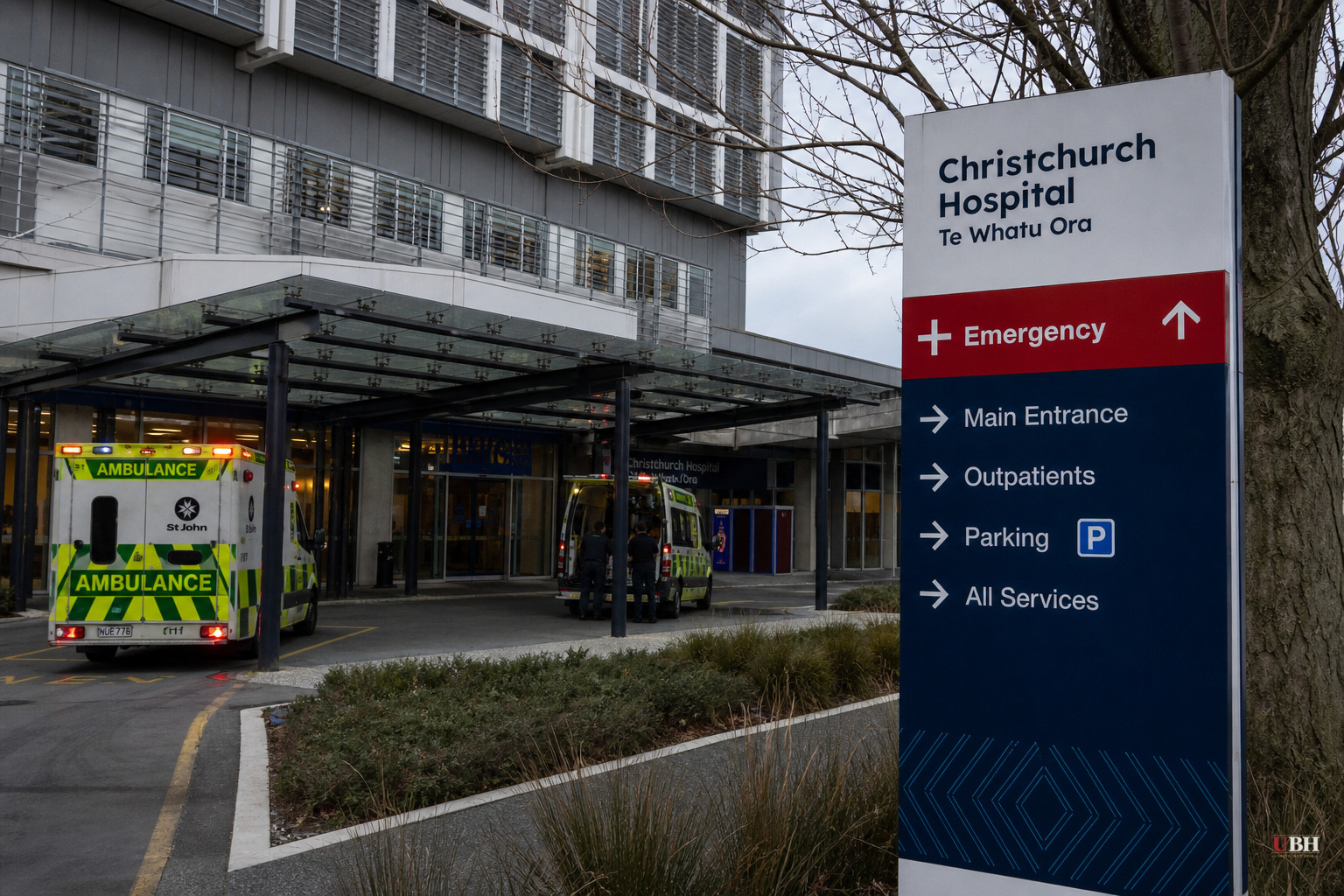
Since the July 31 flight that pulled an American out of McMurdo Station in the dead of Antarctic winter, the patient remains under medical care in New Zealand, according to the Australian Antarctic Division (AAD).
The AAD said in a statement Friday that the patient continued to receive treatment at Christchurch Hospital. That's the only update offered since the evacuation itself made headlines last week.
New Zealand's Health Ministry would not comment Friday on the patient's condition or confirm whether they remain hospitalized. The U.S. National Science Foundation told the Australian Broadcasting Corp. shortly after the evacuation that the patient had been admitted in "serious condition," but there's been no updated word from the NSF since.
That silence isn't unusual. Patient privacy rules on both sides of the Pacific generally block hospitals and government science agencies from releasing medical details without the patient's consent, and nothing in the record suggests foul play or a cover-up. It just means the public is left waiting.
What actually happened
The rescue itself was about as difficult as Antarctic logistics get. Skytraders, the Melbourne-based company contracted by the AAD to fly Antarctic missions, launched an Airbus A319 Long Range jet, call sign Snowbird 1, from Hobart, Australia, after what the company called an "urgent request for assistance."
The jet flew five and a half hours to the Phoenix Airfield near McMurdo Station, the largest U.S. research base in Antarctica, landing in near-total darkness with temperatures down to minus 45.4 Fahrenheit.
Copilot Louise Robertson told the ABC the flight pushed the aircraft close to its operational limits. "We had some what's called nautical twilight, which is a very minimal amount of light that is pretty much pitch blackness and also the extreme cold temperatures. We are right on the verge of the limitation of the aircraft," she said. Temperatures on the ground hit minus 43 Celsius with roughly 8 knots of wind, adding significant wind chill. "It was very close to being too cold," Robertson said.
An earlier attempt to reach the base was scrubbed a day before due to a snowstorm, leaving what Robertson described as "such a narrow window of opportunity." She said flying into McMurdo in complete winter darkness at those temperatures had never been done before, as far as she was aware.
Once on the ground, the crew didn't linger. The American patient was flown out the same day, July 31, to Christchurch as weather at the airstrip deteriorated further.
Why this is rare
McMurdo sits on the Ross Ice Shelf, and the sun set at the South Pole on March 23 and won't rise again until Sept. 21. During that stretch, flight operations are effectively suspended across the continent because of the cold, the dark, and the risk to aircraft and crew. Emma Campbell, head of the AAD, called the mission "complex" and said it "highlights both the capability of our people and the strong partnerships that underpin Antarctic programs around the world."
An Australian civilian charter company flying a New Zealand-registered rescue route to evacuate an American citizen from a U.S. government research station is the kind of routine multinational cooperation that keeps Antarctic science functioning through the winter, when U.S. facilities like McMurdo run on skeleton "winter-over" crews with limited medical capacity.
Nobody official has said what happened to the patient medically, what the emergency was, or whether they're expected to recover. The NSF's original "serious condition" description is now more than a week old. Until Christchurch Hospital, the NSF, or the patient's family releases something further, that's where the record stands.
Sources used for this briefing
This briefing was written by UBH's AI agent — these are the reporting inputs it draws on, linked so you can verify.

