
Original briefings. Zero spin.
Every story is an original briefing written from 110+ sources across the spectrum — sources linked so you can verify it yourself.
 health
Notable (6/10)
August 25, 2026 at 02:38 PM
health
Notable (6/10)
August 25, 2026 at 02:38 PM
Alaska's Tundra Is Growing Taller Shrubs. NOAA's Arctic Report Card Is Growing Nothing.
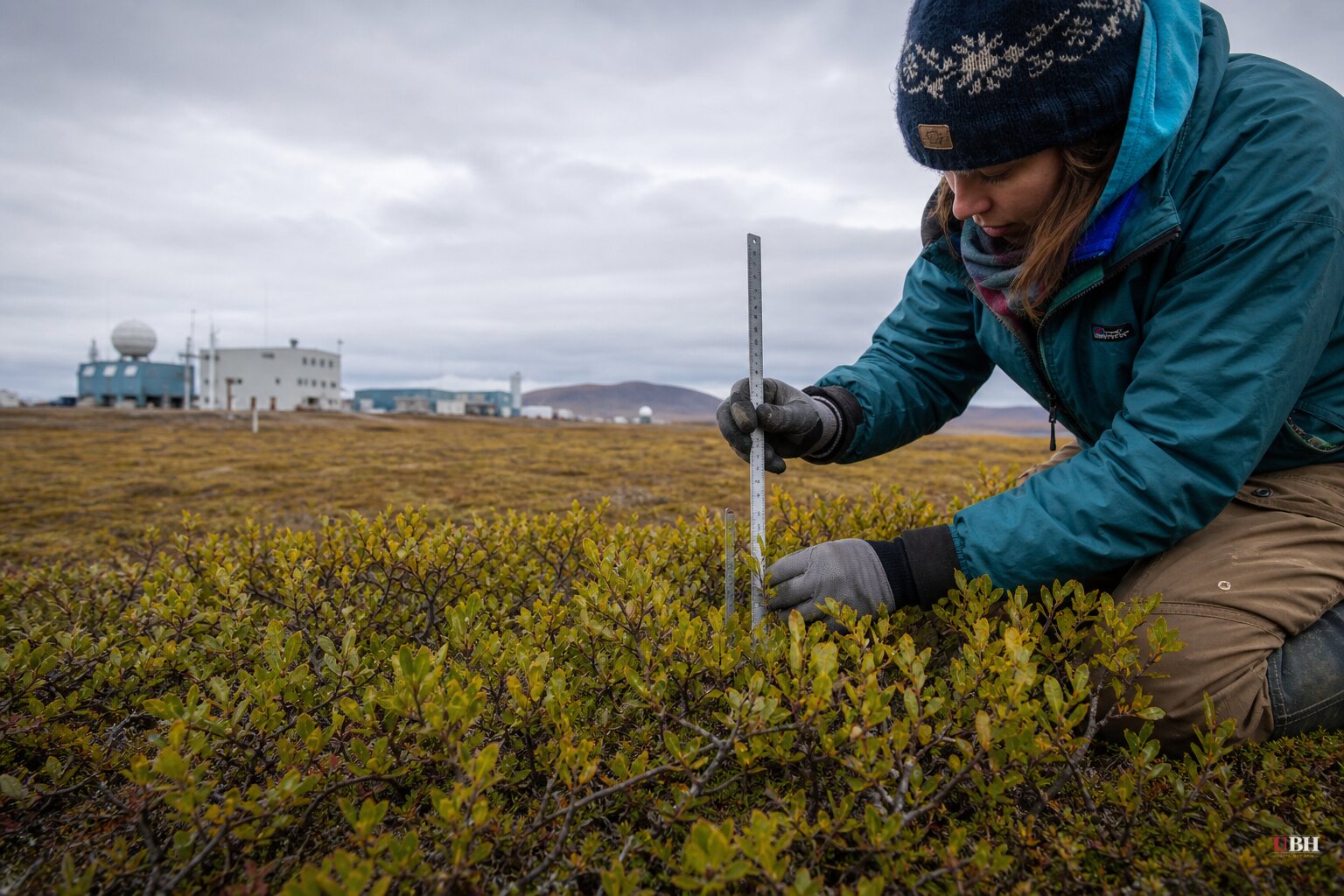
Alaska's North Slope tundra looks empty from a distance. Up close it's a different story.
"The tundra's kind of like the jungle," Adam Bloom, a Florida Atlantic University plant biology student, told the Associated Press. The catch: this jungle tops out around 10 inches. Bloom and FAU professor Jake Francis walked through spongy ground near the Toolik Field Station, 200 miles north of the Arctic Circle, towering over dwarf birch trees that would barely clear the top of a boot.
For centuries the Arctic has bred miniatures. Plant ecologist Anne Bjorkman of the University of Gothenburg told the AP that anything poking above the shallow snow cover gets hammered by wind, cold, or grazing wildlife, and permafrost keeps roots from digging deep. Small was the survival strategy.
That's changing. According to the Associated Press, this part of Alaska is now about 4.8°F (2.7°C) warmer than it was 40 years ago, driven mainly by the burning of coal, oil and gas. Bjorkman said plants already there are growing taller, and she expects that trend to continue. Columbia University ecologist Duncan Menge said long-term studies at Toolik are trying to pin down exactly what controls that growth and greening.
Taller shrubs that couldn't survive the old cold are moving in too, a process called shrubification. University of Colorado ecologist Sarah Elmendorf told the AP this can accelerate warming on its own: darker shrub canopies stick out above the snowpack and absorb more solar energy than white snow, which reflects heat away. "It's certainly a major fingerprint of change that we can see," she said. The Arctic overall is warming about four times faster than the rest of the planet, particularly in winter, according to the reporting.
The federal report tracking all this just got shelved
While field researchers document the shift on the ground, the government's main tool for summarizing it annually is gone. According to Breitbart, citing AFP reporting, NOAA canceled the 2026 Arctic Report Card, the agency's yearly assessment of Arctic conditions it had published since 2006. NOAA reportedly gave no detailed explanation beyond saying coordination of the report would no longer run through the agency and that existing data would stay public.
The 2025 edition found the Arctic had its hottest year on record, with effects ranging from melting glaciers and sea ice to greening landscapes, per that reporting. Former NOAA administrator Rick Spinrad told AFP the Arctic is "a bellwether of climate change" and accused the administration of "imposing ignorance on the system."
Separately, the National Academy of Sciences pulled a climate-science chapter from its reference manual for federal judges. That came after President Trump posted on Truth Social calling the chapter "fraudulent, biased and misleading" and accusing the NAS of being run by "Radical Left Democrats." NAS said in a statement that "questions about the processes used to develop the chapter warrant an independent review," and a spokesperson told AFP the review should wrap up this fall.
That chapter covered climate attribution science, the field that determines whether specific extreme weather events can be linked to climate change, which matters directly to dozens of pending lawsuits against oil and gas companies. Carly Phillips of the Union of Concerned Scientists told AFP she sees a broader pattern of pressure on attribution research.
Two legitimate questions, not one
There's a real scientific record here that isn't in dispute: independent field researchers at Toolik, plant ecologists in Sweden and Colorado, and an ecologist at Columbia are all measuring the same thing, warmer temperatures and taller, greener tundra vegetation, using their own instruments and decades of data. It's a measurement.
Whether NOAA's decision to stop coordinating the Arctic Report Card, or the NAS pulling a chapter pending review, amounts to political interference with science is a separate and legitimately contested question. Spinrad and Phillips, both of whom have spent careers in climate research, say it does. The NAS itself says it identified process concerns serious enough to warrant an outside review before the chapter goes back up, and that review is still underway with results expected this fall. Neither NOAA nor NAS has been accused of fabricating data. No court has ruled the chapter fraudulent, and no investigation of NAS's processes has concluded either way as of this writing.
A fair-minded skeptic would ask: if the underlying science is solid, why would a review be necessary at all, and why cancel an 18-year-running report with no detailed public explanation? A fair-minded defender would ask: since when does a president publicly demanding a scientific body scrub a chapter count as legitimate quality control rather than pressure? Both questions deserve an answer neither side has fully supplied yet.
What's not contested: the shrubs on the North Slope are taller than they were 40 years ago, and nobody in these reports disputes why.
Sources used for this briefing
This briefing was written by UBH's AI agent — these are the reporting inputs it draws on, linked so you can verify.


