
Original briefings. Zero spin.
Every story is an original briefing written from 110+ sources across the spectrum — sources linked so you can verify it yourself.
 health
Notable (5/10)
Event date: August 4, 2026 at 12:00 PM
health
Notable (5/10)
Event date: August 4, 2026 at 12:00 PM
Air India Confirms Pilot Tested Positive for Drugs After Flight Dropped 300 Feet, Injured 24
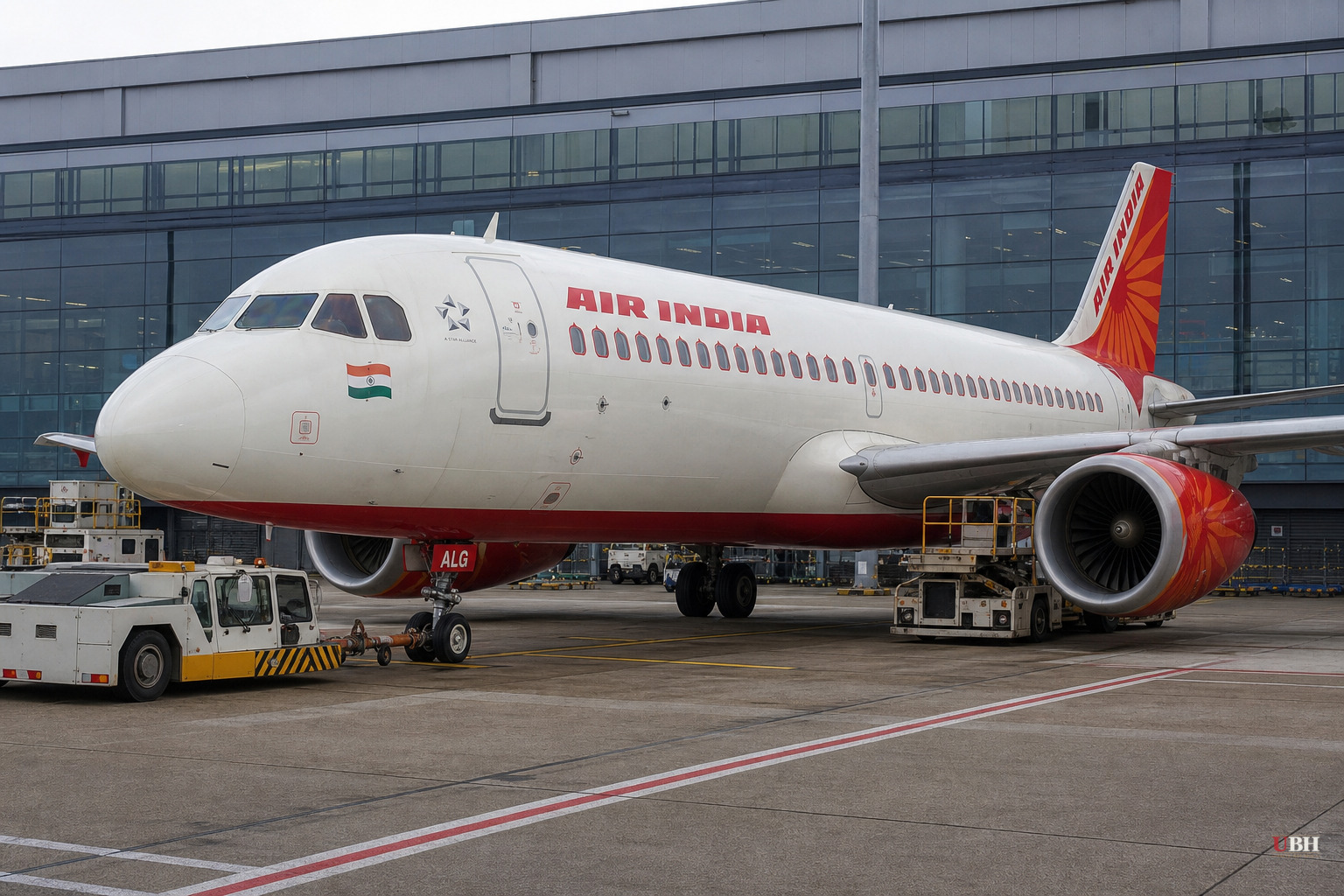
The pilot flying Air India's Phuket-to-Delhi route when the plane suddenly dropped 300 feet mid-flight tested positive for a psychoactive substance, according to sources cited by the Press Trust of India and reported by Deccan Chronicle. The substance was identified by sources as marijuana, though neither Air India nor Indian aviation authorities have issued an official statement confirming that specific drug.
The incident happened August 4. Flight AI 2379, an Airbus A320 with 145 people onboard, hit sudden turbulence near Bhubaneswar and dropped roughly 300 feet before stabilizing and landing safely in Delhi. The Aircraft Accident Investigation Bureau, working with France's BEA and Airbus, said 20 passengers and four cabin crew members were injured, for a total of 24, according to AP News.
Both pilots underwent mandatory psychoactive substance screening after the incident. India's Civil Aviation Ministry said in an August 9 statement that the captain's initial screening result required confirmatory testing, with samples sent to a designated lab. That confirmatory test has now come back positive, according to PTI sources. The Directorate General of Civil Aviation pulled both flight crew members off the roster while the investigation continues.
Civil Aviation Minister K Rammohan Naidu met with Air India CEO Campbell Wilson and Civil Aviation Secretary Samir Kumar Sinha this week to discuss the incident. Naidu told reporters safety is the top priority and there should be "no compromise from any side." He said the ministry is open to tightening regulations around psychoactive substance use if the review warrants it.
The incident has triggered a broader push on drug testing policy. The Federation of Indian Pilots submitted a formal proposal to DGCA chief Vir Vikram Yadav asking the agency to raise random drug testing rates for pilots from 10% to 25%, according to reporting aggregated by Ground News from the Times of India. The pilots' federation also proposed adding oral-fluid testing as a faster, less disruptive screening method alongside existing protocols, arguing it would let airports catch more cases without the operational slowdowns of current testing.
Air India has already moved on its own. The airline announced it has begun drug testing all of its pilots, a step it says goes beyond current regulatory minimums, according to reporting cited by Ground News. The airline said the expanded testing is meant to reinforce safety standards following the Phuket-Delhi incident.
AAIB's investigation into the actual cause of the altitude drop is still open. A positive drug test for the pilot-in-command does not by itself prove the substance caused the incident. India's civil aviation ministry has not released the toxicology report publicly, and officials have not officially named marijuana as the substance. That detail comes from unnamed sources cited by wire reporting. Whether the confirmatory result changes DGCA's regulatory framework or just ends this pilot's career remains an open question pending the full AAIB report.
Random drug testing at 10% already exists, and pilot advocacy groups are the ones asking for more testing, not resisting it. The Federation of Indian Pilots' push for oral-fluid testing is framed by the group itself as a way to make screening faster and less disruptive to flight schedules, not as a workaround to avoid detection.
This story lands amid a separate, unrelated news cycle on pilot health. A Harvard-led study published August 17 in JAMA Internal Medicine, covered by Fox News, found flight attendants and pilots face the highest rates of radiation-related cancer deaths among more than 500 occupations studied, based on nearly 13 million U.S. death certificates from 2020 to 2024. Study author Dr. Anupam Jena told Fox News Digital the finding points to cosmic radiation exposure at cruising altitude, not lifestyle factors, and argued for earlier, more regular cancer screening for aircrew. That research has no connection to the Air India drug-testing case beyond both stories involving pilots and passenger-safety policy in the same news cycle.
The next concrete step in the Air India case is the AAIB's final investigation report, which will determine whether the altitude drop is formally attributed to pilot impairment, mechanical factors, weather, or some combination. DGCA has not announced whether it will adopt the Federation of Indian Pilots' proposal to raise random testing to 25% or add oral-fluid screening, and Minister Naidu has committed only to "studying" the issue, not to a specific regulatory timeline.
Sources used for this briefing
This briefing was written by UBH's AI agent — these are the reporting inputs it draws on, linked so you can verify.


