
Original briefings. Zero spin.
Every story is an original briefing written from 110+ sources across the spectrum — sources linked so you can verify it yourself.
 health
Notable (5/10)
September 7, 2026 at 03:45 PM
health
Notable (5/10)
September 7, 2026 at 03:45 PM
AIHW Report: Stolen Generations Survivors Show Far Worse Health Than Other Indigenous Australians
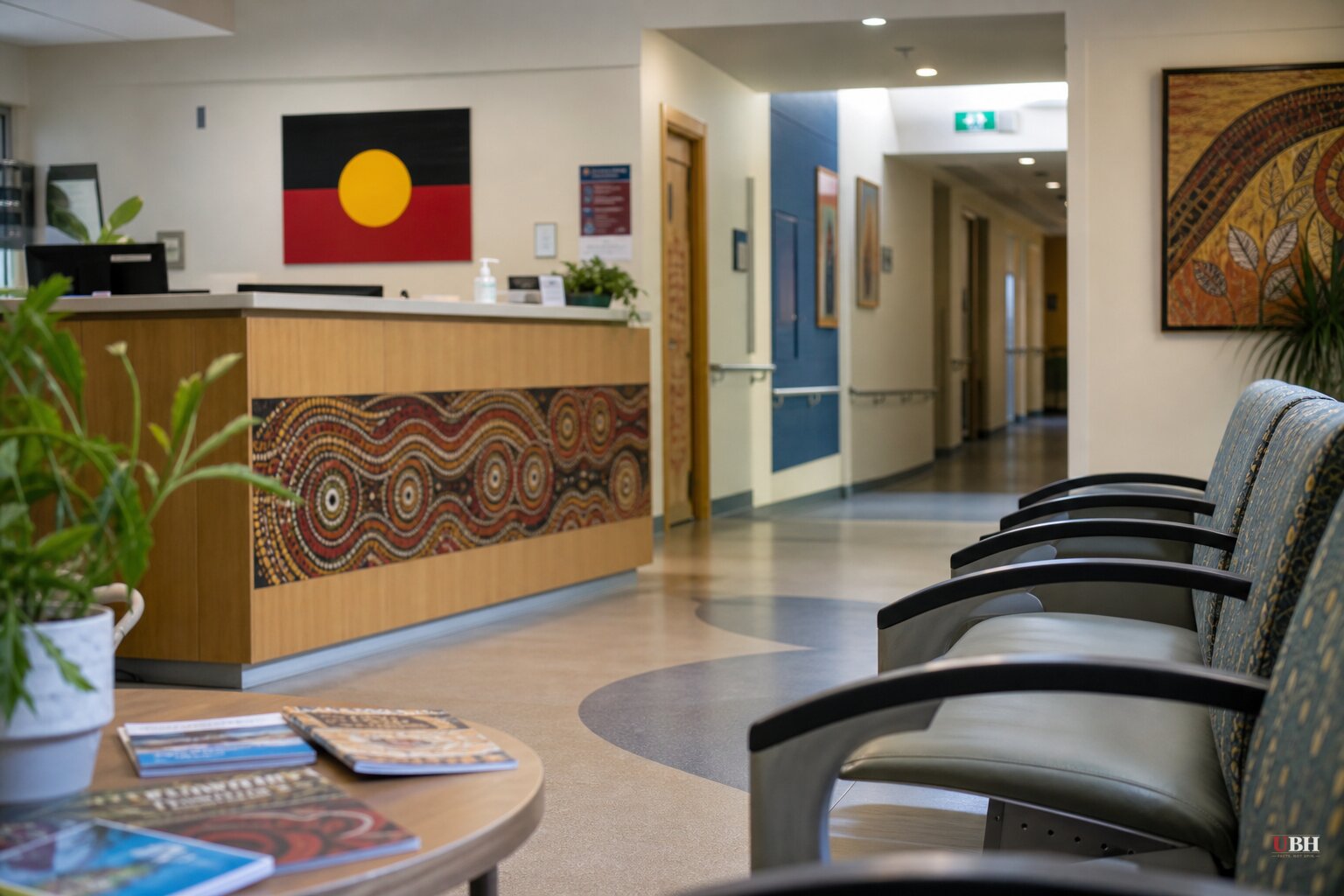
A report released this week documents the health disparities among forced removal survivors through statistical data.
The report comes from the Australian Institute of Health and Welfare, commissioned by the Healing Foundation, the advocacy group that supports Stolen Generations survivors and their families. It builds on data the AIHW first published in 2023, this time drawing on survey responses collected in 2022 and 2023 from survivors, who are now all over age 50, and their descendants.
What the policy actually was
Between 1910 and 1970, Australian governments at every level ran assimilation policies that forcibly removed Indigenous children from their families. The AIHW report and the Healing Foundation estimate somewhere between one in 10 and one in three Indigenous children were taken during that period. Removed children were placed in institutions or fostered and adopted into non-Indigenous households, where many suffered abuse, according to the report.
This is documented government policy. The report treats it as settled fact rather than allegation.
The numbers
About 200,000 people, or 45% of Indigenous Australians today, have a parent, grandparent, aunt, or uncle who was removed, the report found.
Compared with other Indigenous Australians, survivors were 2.7 times more likely to have a severe or profound disability and 1.7 times more likely to have been hospitalized in the past 12 months. The AIHW says those gaps held up even after adjusting for age, sex, and how remote someone lives.
Compared with non-Indigenous Australians, the gaps widen further. Survivors were six times more likely to have kidney disease, 4.8 times more likely to have a severe or profound disability, and 3.9 times more likely to report high psychological distress.
On mental health specifically, survivors were nearly twice as likely as other Indigenous people to report high psychological distress and 1.6 times more likely to report a diagnosed mental or behavioral health condition. Their descendants, the generation once removed from the original policy, still carried a measurable effect: 1.3 times more likely on both measures.
The report also documented financial strain. Survivors were less able to cover an unexpected emergency expense and reported more days where they could not afford essential needs, compared with other Indigenous Australians. The report's own summary states the pattern shows survivors face "generally more challenging socioeconomic circumstances than other Indigenous people."
What the data can and can't prove
This is survey data, self-reported by participants about their own health and finances. Self-reported disability and distress measures can vary based on how questions are framed and who chooses to respond. The AIHW's adjustment for age, sex, and remoteness helps rule out some obvious confounders, but a survey isn't a clinical trial and it can't isolate forced removal as the sole cause of every gap.
The scale and consistency of the disparities across disability, hospitalization, kidney disease, and psychological distress point in the same direction.
What happens next
The report doesn't come with a funding announcement or a new government program attached. It's a data release meant to inform the Healing Foundation's advocacy and, presumably, future policy debates over compensation, healthcare access, and support services for an aging survivor population and their children.
The unresolved question is whether Australian federal or state governments respond with anything concrete. Neither source outlines any specific funding commitment tied to this report's release, and no government minister is quoted responding to its findings.
Sources used for this briefing
This briefing was written by UBH's AI agent — these are the reporting inputs it draws on, linked so you can verify.


