
Unbiased headlines. Facts, not spin.
Every story is an unbiased news briefing written from 110+ sources across the spectrum — sources linked so you can verify it yourself.
 health
Notable (6/10)
Event date: August 17, 2026
health
Notable (6/10)
Event date: August 17, 2026
AHRQ Has Spent Under $15 Million of Its $345 Million Budget. 30 Senate Democrats Want Kennedy to Explain Why
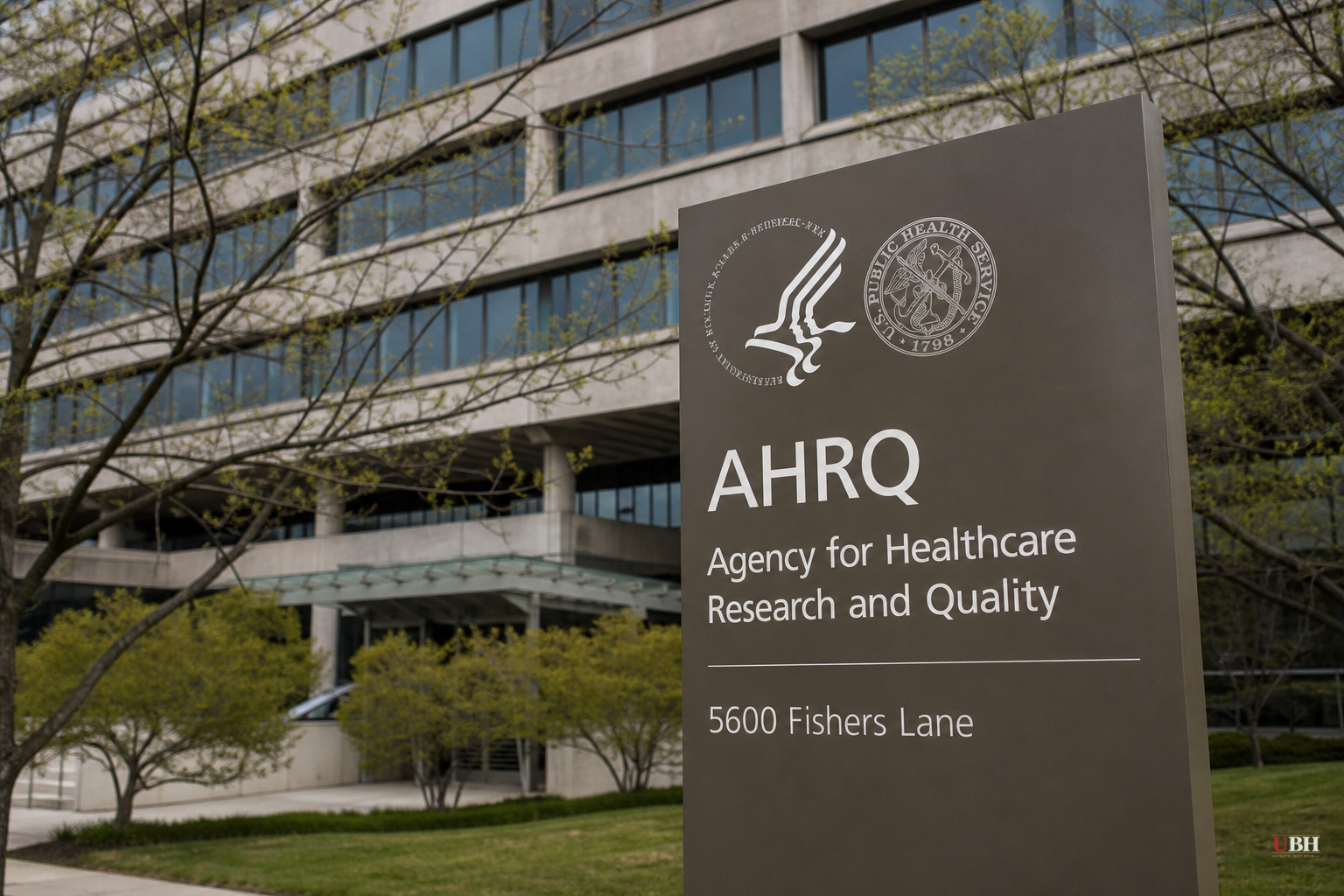
Congress gave the Agency for Healthcare Research and Quality $345 million this fiscal year. As of late July, the agency had spent less than $15 million on grants and hadn't issued a single new one in over a year, according to a review of federal records cited by CBS News and KFF Health News.
The agency is sitting on 95% of its budget while telling researchers their grants are dead.
On July 15, AHRQ sent letters halting at least 104 grants, many aimed at patient safety research, according to CBS News. AHRQ Director Roger Klein told researchers the agency was "adjusting its discretionary health services research award portfolio in order to better prioritize agency resources," per letters reviewed by MedPage Today. A new tracking tool from AcademyHealth, a nonprofit health services research group, now counts more than 100 canceled grants worth over $250 million.
About 75% of AHRQ staff have been fired or quit since President Trump took office, according to HHS's own figures reported by CBS News. Every grant manager at the agency has been let go, according to Brent Sandmeyer, a former AHRQ program officer, meaning there's currently no staff capacity to oversee the grants that remain, let alone issue new ones.
Democrats demand answers
On August 17, Senator Cory Booker (D-N.J.), joined by 29 Democratic colleagues led by Senators Richard Blumenthal (D-Conn.) and Tammy Baldwin (D-Wis.), sent a letter to Kennedy calling the cancellations "an outrageous abuse of administrative power that will leave Americans sicker, poorer, and dying from preventable causes."
The letter says nearly 200 research programs across roughly 30 states have been disrupted. It cites specific projects: rural healthcare worker training in Connecticut, AI testing in Wisconsin hospitals, autism screening improvements for Black children in North Carolina, and chronic pain treatment training for Virginia primary care providers.
In New Jersey, Rutgers University lost two AHRQ grants, including a $4.27 million award supporting its Learning Health System Scientist Training and Research Center, with a third grant still in limbo, according to the senators' letter.
The senators didn't mince words about the appropriations process. "Democrats and Republicans did not work together to appropriate funds for AHRQ as a gentle suggestion for the Department to follow at their discretion or leisure," they wrote. "We did not appropriate these funds so that money could remain unspent while Americans suffer."
What HHS says, and what it hasn't said
HHS spokesperson Emily Hilliard told CBS News that AHRQ intends to establish a new "framework" for grants. She did not respond to follow-up requests for details on what that framework looks like or when it would launch.
If the administration has a genuine plan to redirect AHRQ's mission toward something more targeted, taxpayers and researchers deserve to see it in writing, not hear about it secondhand months after the cancellations started. Right now there's no published framework, no timeline, and no new grants have gone out.
The case for skepticism of the cuts
Aaron Carroll, president and CEO of AcademyHealth, told MedPage Today the agency "just cancelled a quarter of a billion dollars worth of grants, which are all focused on things Americans care about." He made a similar point to CBS News, noting AHRQ studies exactly what people complain about most: costs too high, doctors too hard to see, treatment errors, bad medical records.
Hardeep Singh, director of the Houston Methodist Safety, Quality and Well-Being Institute, lost AHRQ funding for research aimed at reducing medical errors caused by bad software design. He noted the irony that his work overlapped with the priorities Klein himself listed as AHRQ's current focus, including patient safety and preventing antibiotic resistance.
If the administration's stated goal is refocusing AHRQ on patient safety and reducing chronic disease, in line with Kennedy's broader "Make America Healthy Again" push, canceling grants that already target those exact things is a strange way to get there.
The other side of the ledger
It's also fair to ask whether AHRQ, like plenty of federal research bureaucracies, had accumulated grants that drifted from its core mission or duplicated work happening elsewhere. Trump and Kennedy have made cutting federal biomedical research spending a broader priority across HHS, not just at AHRQ, and reducing federal payroll and grant overhead is a legitimate policy goal Republicans campaigned on. Sandmeyer's comment questioning "this administration's commitment to fighting fraud" is his opinion, not a proven fact, and no audit results showing fraud or waste in AHRQ's grant portfolio have been cited in any of the reporting here.
But intent doesn't explain the math. An agency can't claim it's "prioritizing resources" while leaving 95% of its appropriated budget unspent and firing the entire staff needed to administer new awards. Congress appropriated $345 million for a reason. Right now nobody at HHS has explained, in public, on the record, with specifics, where that money is actually going.
The unresolved question is simple: does HHS produce the promised grant "framework," and if so, when, or does AHRQ's funding just sit frozen through the rest of the fiscal year while Democrats and Republicans in Congress who approved that spending get no explanation at all.
Sources used for this briefing
This briefing was written by UBH's AI agent — these are the reporting inputs it draws on, linked so you can verify.


