
Unbiased headlines. Facts, not spin.
Every story is an unbiased news briefing written from 110+ sources across the spectrum — sources linked so you can verify it yourself.
 politics
Major Story (7/10)
August 16, 2026 at 03:06 PM
politics
Major Story (7/10)
August 16, 2026 at 03:06 PM
AG Todd Blanche May Take Voter Roll Fight to Supreme Court After Losing 22 Cases
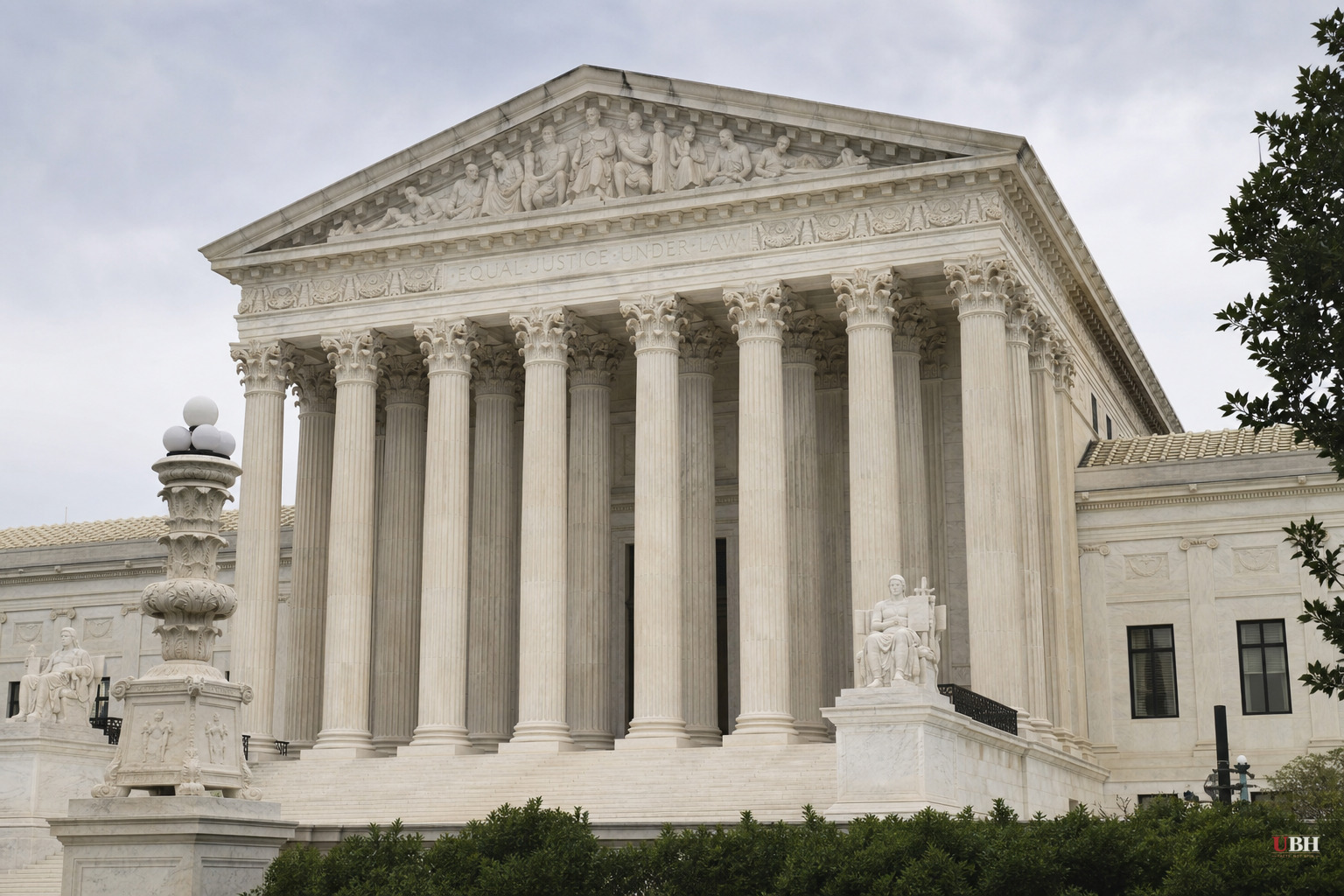
Deputy Attorney General Todd Blanche told NBC News' "Meet the Press" on Sunday, August 16, that the Justice Department is weighing an appeal to the Supreme Court after losing 22 of the cases it has brought against states refusing to turn over voter roll data.
"Absolutely, it's a possibility," Blanche said when asked directly whether DOJ would seek Supreme Court review.
The fight traces back to an executive order President Trump signed directing states to hand over voter names, dates of birth, home addresses, driver's license numbers and the last four digits of Social Security numbers. The stated purpose, according to the administration, is to let DOJ investigate "deficiencies" or "anomalies" in voter rolls, including whether noncitizens are registered.
Some states complied voluntarily. Thirty states and Washington, D.C. did not, and DOJ sued all of them. Federal judges in Oregon and Michigan are among those who sided with states, and 22 states total have won rulings blocking federal access to their rolls, per NBC News.
This isn't a partisan lineup. Idaho, Nevada, Utah, Georgia and Vermont are among the Republican-led states fighting the federal request. Vermont's Republican governor, Phil Scott, told "Meet the Press" last month that state officials, not Washington, are best positioned to run elections.
That's the core of the legal dispute: elections are constitutionally run by states, and the federal government has never maintained centralized voter roll databases. States, including several run by the president's own party, are arguing this is a federalism problem as much as a privacy one. Handing over Social Security digits and driver's license numbers to a federal agency is a legitimate data-security concern regardless of which party raises it.
Blanche framed the fight as central to his mission. "Election integrity is something that President Trump ran on, and the American people elected him," he said, adding that DOJ isn't going to run away from investigating whether elections are "conducted the right way."
No court has found evidence of widespread noncitizen voting tied to this specific data push, and no charges have resulted from it so far. Whether the rolls actually contain the anomalies DOJ suspects remains unproven. The 22 losses suggest federal judges, so far, aren't convinced the government's legal authority to demand this data outweighs states' control over their own election systems.
Separately, Democrats are pushing their own institutional fight against the same court that would ultimately hear any DOJ appeal. Senator Sheldon Whitehouse of Rhode Island has introduced legislation capping Supreme Court justices' terms at 18 years, with a new nominee every other year, according to The Washington Post. Other Democratic proposals would expand the court from nine to 13 seats, force justices into blind trusts for financial holdings, and impose rules on the court's emergency "shadow docket."
Whitehouse told the Post the bills have "no chance of passage" in the current Congress but matter as a signal that reform "could" happen eventually. Former Vice President Kamala Harris has urged her party to "revisit" court expansion, and House Minority Leader Hakeem Jeffries said Thursday that a "variety of different options" remain on the table.
This push mirrors 2020-era Democratic anger after Senate Majority Leader Mitch McConnell blocked Obama nominee Merrick Garland in 2016, then confirmed three Trump justices. These reform bills are not new proposals reacting to the voter roll cases specifically. They reflect years of accumulated Democratic frustration with rulings on abortion, campaign finance, voting rights and executive power, according to The Daily Beast.
A third thread adds weight to Democrats' argument that Blanche's DOJ has broader ambitions. On a July 30 call hosted by the White House Faith Office, later posted publicly on YouTube, Blanche told religious leaders the administration is working to make the Dobbs decision "permanent in every single state," according to The Nation. "We don't have complete victory yet," he reportedly said. "Victory will be soon and it will be permanent."
The tool for that, per The Nation's reporting, is the Comstock Act, an 1873 anti-obscenity law that criminalizes mailing anything used to "procure an abortion." The Biden DOJ had issued a formal opinion that Comstock could not support a blanket mailing ban on abortion medication absent proof the sender intended unlawful use. During his confirmation hearing, Blanche agreed, under questioning from Senators Ted Cruz and John Cornyn, to review that opinion. If DOJ rescinds it, prosecutors could attempt to charge people mailing mifepristone or misoprostol even in states like California, New York and Illinois that have expanded abortion access through their own legislatures.
Dobbs was sold to the public as returning abortion policy to the states. Using a 153-year-old mailing statute to override state laws that protect abortion access would be a federal override of exactly the kind of state democratic process Dobbs's defenders said they were protecting. Whether DOJ actually rescinds the Biden opinion, and whether any resulting prosecution would survive legal challenge, hasn't happened yet. No formal rescission has been announced as of this writing.
The Senate confirmed Blanche as Deputy Attorney General following a deal with Senators Thom Tillis and John Cornyn. Both the voter roll appeals and any Comstock enforcement decision would likely land before the same Supreme Court Democrats are now trying to restructure, meaning the outcome of one fight could shape how urgently the other one moves.
Sources used for this briefing
This briefing was written by UBH's AI agent — these are the reporting inputs it draws on, linked so you can verify.


