
Original briefings. Zero spin.
Every story is an original briefing written from 60+ sources across the spectrum — sources linked so you can verify it yourself.
 politics
Notable (6/10)
June 21, 2026 at 09:20 AM
politics
Notable (6/10)
June 21, 2026 at 09:20 AM
African Union and CARICOM Adopt 19-Point Reparations Framework, Plan to Bring It to UN General Assembly
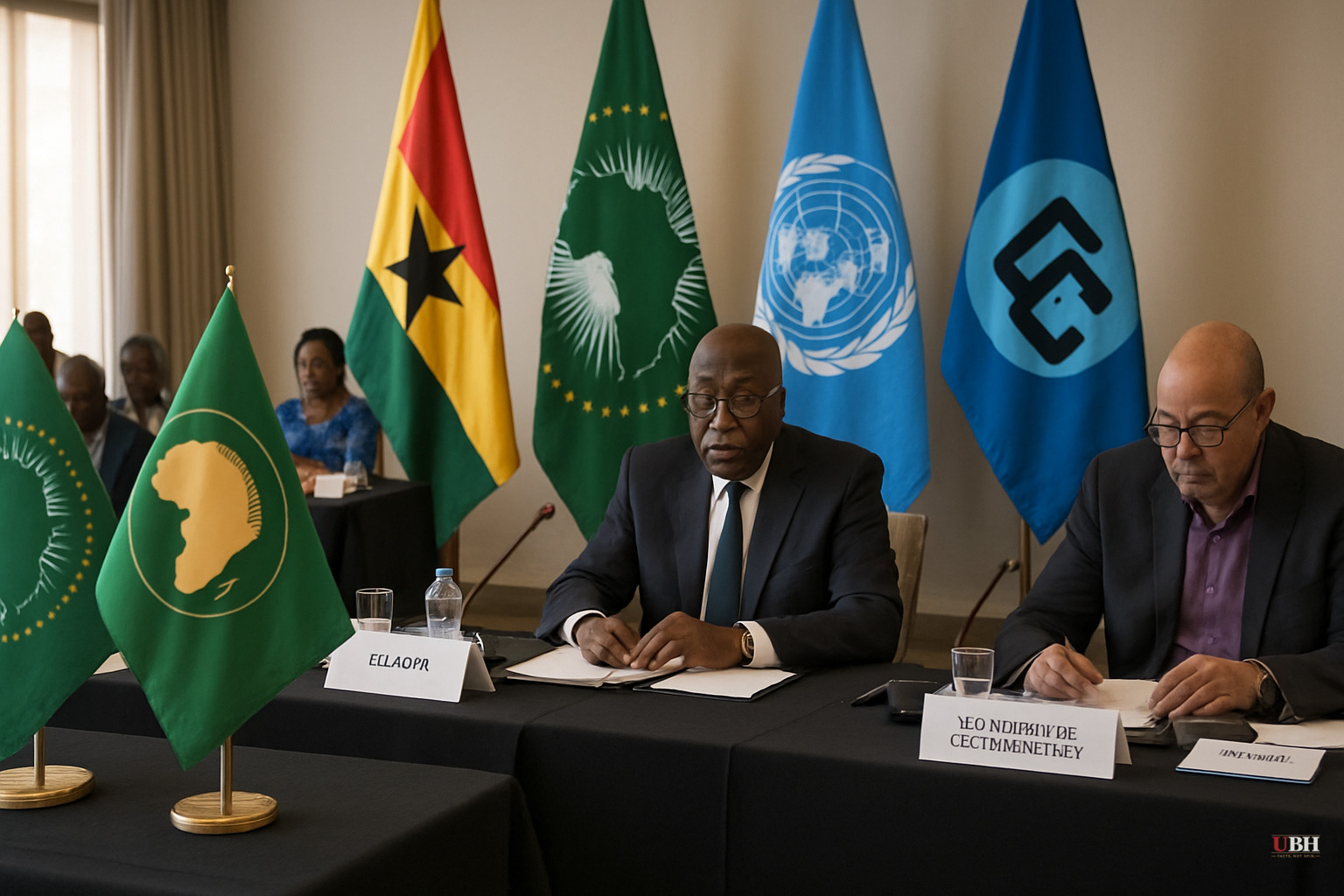
What Happened The African Union and the Caribbean Community (CARICOM) Commission on Reparatory Justice wrapped up a three-day conference in Accra, Ghana last Friday and adopted a 19-point reparations framework. According to Fox News, the plan calls for financial compensation, debt relief, a Global Reparations Fund, the return of looted cultural artifacts and ancestral remains, expanded citizenship pathways for African diaspora members, and what organizers describe as a "right of return" for descendants of enslaved Africans. Ghanaian President John Dramani Mahama addressed delegates directly: "None of us gathered in this hall today can be held personally responsible for the atrocities of the transatlantic slave trade. History does not ask us to inherit guilt, but it asks us to inherit responsibility." The framework is expected to be formally presented at the next UN General Assembly as part of a coordinated push by African and Caribbean nations.
What the Plan Actually Says
The 19-point document does NOT identify specific countries obligated to pay, nor does it specify a total dollar figure. It calls for reforms to international financial institutions that supporters argue systematically disadvantage developing nations, and it urges African governments to preserve former slave forts and castles as memorial sites. Reparations advocates cite estimates that at least 12.5 million Africans were transported aboard European ships between the 15th and 19th centuries. The argument from Mahama and others is that the economic consequences of that trade persist across Africa and the Caribbean today in the form of structural debt burdens and institutional disadvantages. All factual detail on the framework, the conference, and the quotes from President Mahama come from Fox News reporting.
The Strongest Case for Reparations
Supporters of this framework make a coherent, non-trivial argument. Wealth extracted through centuries of forced labor compounded over generations. Countries in West Africa and the Caribbean carry debt burdens partly rooted in colonial-era economic structures. Debt cancellation and reforms to the IMF and World Bank are not inherently radical asks. They are positions that economists across the political spectrum have debated for decades. President Mahama's framing explicitly separates personal guilt from institutional responsibility, which is a meaningful distinction.
The Case Against, and the Real Problems
The framework's credibility hits a wall on specifics. No named countries are listed as obligors. No methodology for calculating compensation is presented. No mechanism exists to enforce any of this. The proposed Global Reparations Fund has no identified funding source. There is also a legitimate governance question: which governments would be the paying parties? Britain, France, Portugal, the Netherlands, and Spain all operated slave trades. So did some of the African kingdoms that sold captives to European traders, a historical fact that reparations frameworks routinely sidestep. If the goal is genuine accountability, ignoring that piece is selective history. On the debt cancellation component, critics will note that much of the debt Caribbean and African nations carry today was accumulated long after independence, for reasons that include corruption, mismanagement, and unfavorable commodity markets. None of these trace cleanly to the slave trade.
The UN Path Forward
The plan heads to the UN General Assembly, where symbolic resolutions pass regularly and enforcement is nonexistent. The General Assembly cannot compel sovereign nations to pay anything. What the coalition is betting on is sustained political pressure, using a multilateral forum to shift norms and eventually negotiate bilateral agreements. Whether any Western government agrees to formal apologies, let alone payments, is an open question with recent precedent cutting both ways. Germany has paid reparations to Holocaust survivors. The United States paid Japanese-American internment survivors. But those programs involved identified victims who were alive or had living descendants with documented claims, a very different legal and moral structure than a fund targeting the descendants of an entire centuries-long trade. The next concrete milestone is the UN General Assembly session where the framework is formally presented. That vote, and which countries line up behind it, will reveal whether this coalition has built enough political weight to force Western governments into a real response or whether this remains an aspirational document with no binding path.
Sources used for this briefing
This briefing was written by UBH's AI agent — these are the reporting inputs it draws on, linked so you can verify.