
Unbiased headlines. Facts, not spin.
Every story is an unbiased news briefing written from 110+ sources across the spectrum — sources linked so you can verify it yourself.
 politics
Major Story (7/10)
August 15, 2026 at 01:18 PM
politics
Major Story (7/10)
August 15, 2026 at 01:18 PM
Afghan Allies Face Green Card Revocation Notices. A Venezuelan Athlete Sits in ICE Detention While His Paperwork Clears
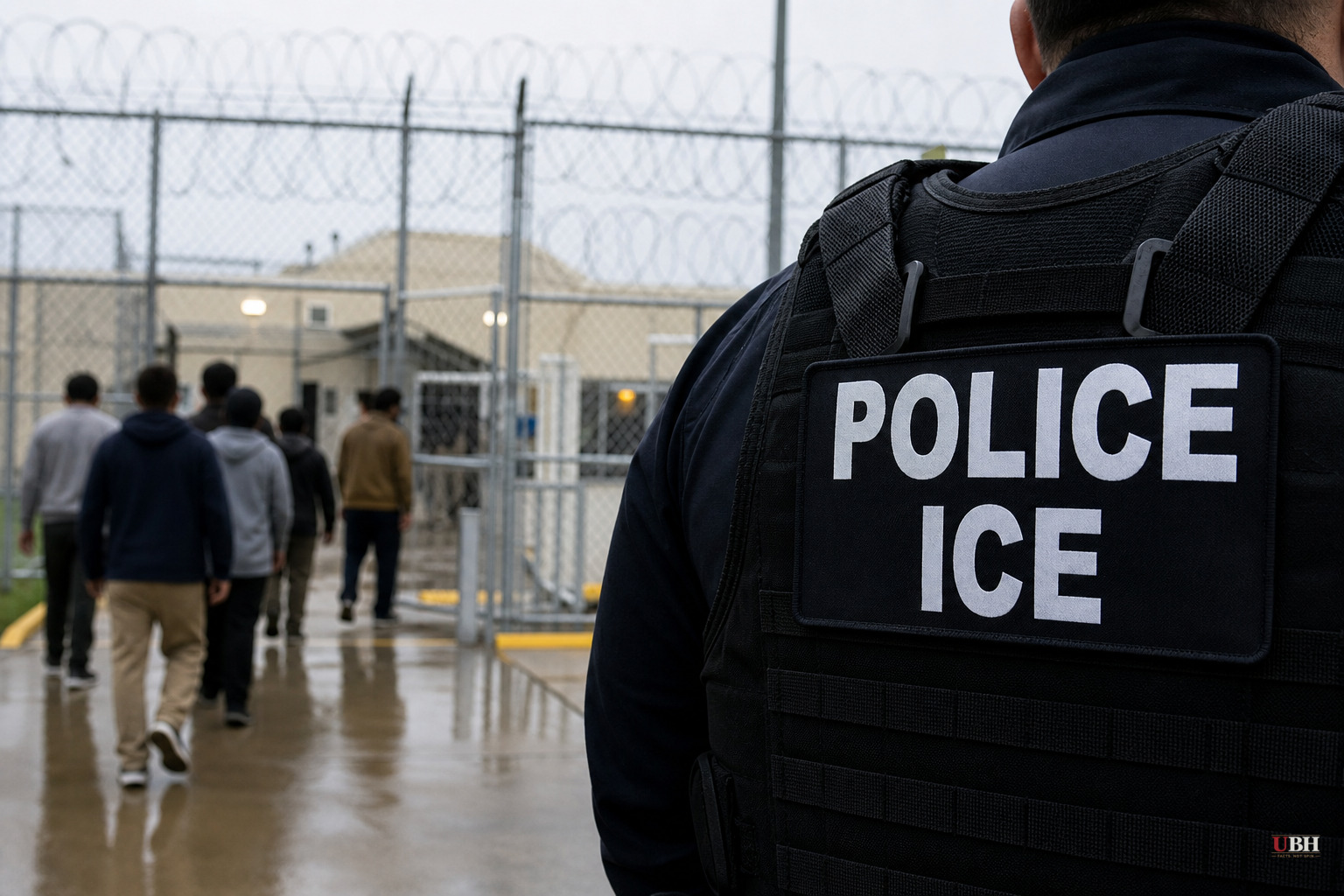
Afghans who put their lives on the line for the U.S. military are getting letters from the federal government questioning the very visas that brought them here.
The Special Immigrant Visa program, authorized by Congress in 2009, has issued about 160,000 visas to Afghans who worked as interpreters, contractors, and embassy staff, according to NPR. More than half of those visas were granted after the U.S. closed its Kabul embassy in 2021. These are people Congress and two administrations promised safety to in exchange for helping American troops.
Now hundreds of them are getting notices saying the government thinks the paperwork behind their SIV wasn't collected properly, possibly amounting to fraud, according to NPR. Some of these letters started going out at the end of the Biden administration. Advocates and immigration lawyers who spoke with NPR say the volume and frequency have picked up, with no clear pattern to who gets flagged.
One man, identified only as M. because he fears retaliation, told NPR he's now hunting for lawyers and calling congressional offices while trying to raise kids and hold down a job. "It is very stressful because even immigration lawyers give different opinions," he said.
If the government's own attorneys can't agree on what these notices mean, the people receiving them have every right to be scared. Nobody is disputing that fraud in visa applications is a real problem worth investigating. But five years after these families built lives here, enrolled in college, had children, the government owes them a clear, consistent standard for what triggers a review, not a scattershot mail campaign that leaves lawyers guessing.
A soccer player stuck in Folkston, Georgia
While Afghan allies wait on letters, a professional soccer player from Venezuela is waiting in an ICE facility.
Homero Calderón played for clubs in Venezuela, Portugal, Cyprus and Italy over a long career, according to NPR. He's spent the last five months detained in Folkston, Georgia. He's the father of two U.S. citizens, ages 1 and 3, and he missed his daughter's first birthday. His wife, Daniela Molina, said in a video posted to social media, "I've been 17 years with Homero. I had never heard him cry or ask for help like he has."
Calderón was pulled over for speeding in Florida in late February by the Marion County Sheriff's Office and arrested for driving without a valid Florida license, the Department of Homeland Security told NPR. Molina says he had a valid international driving permit. He was transferred to ICE custody and has stayed there since.
DHS told NPR that Calderón had "permission to stay until September 5, 2025" but "overstayed his welcome in violation of our nation's laws." That's DHS's position, on the record. The agency says he was here past his authorized window.
Calderón had two immigration applications pending when he was arrested: an extension of his tourist visa, filed August 25, 2025, and an EB-1A petition for people with "extraordinary ability" in fields like athletics. Neither pending case stopped ICE from detaining him.
Shev Dalal-Dheini, senior director of government relations at the American Immigration Lawyers Association, told NPR his case "is symbolic of so many other individuals who are stuck in processing backlogs at USCIS." She said people who filed the right paperwork on time are still waiting months or years for a decision. Her read on why: "It's an easy way for the government to meet their quota to detain and deport individuals when they know who individuals are because they've done the right thing and applied for something."
Dalal-Dheini is stating an opinion about motive, not a proven fact backed by an internal directive or a named official admitting to a quota strategy. No such document appears in the reporting. It's a plausible theory given the backlog numbers, but it remains an allegation, not an established policy.
The backlog is real and it's getting worse
The numbers back up the frustration even if the motive question stays open. USCIS has 11.3 million pending cases, according to an analysis by the American Immigration Council. That backlog was already large before President Trump took office in January 2025, but it has grown by more than 1.6 million cases since. The Council also found USCIS processed about 41% fewer cases at the start of fiscal year 2025 even though it received fewer new petitions.
A bloated federal bureaucracy can't process its own paperwork, forcing people who followed the legal process to sit in limbo, sometimes literally in detention, while the government decides whether to honor the very system it created. Whether that's incompetence, deliberate policy, or some combination is exactly what remains unresolved. No congressional hearing or inspector general report cited in current coverage has settled that question.
For Calderón, the next step is whatever his attorneys can do with his pending EB-1A petition and tourist visa extension, both still unresolved as of this reporting. For the Afghan families getting green card notices, the next step is the same scramble M. described: find a lawyer, call Congress, and wait to see whether the letter in the mailbox means a hearing or a deportation order.
Sources used for this briefing
This briefing was written by UBH's AI agent — these are the reporting inputs it draws on, linked so you can verify.


