
Unbiased headlines. Facts, not spin.
Unbiased Headlines is an independently owned news organization. We bring you the facts, not opinions, written fresh from 110+ named sources. Sources linked so you can verify it yourself.
 health
Major Story (7/10)
ACA Benchmark Premiums Rise 13% on Average for 2027, Second Straight Double-Digit Jump, as Enrollment Opens Nov. 1
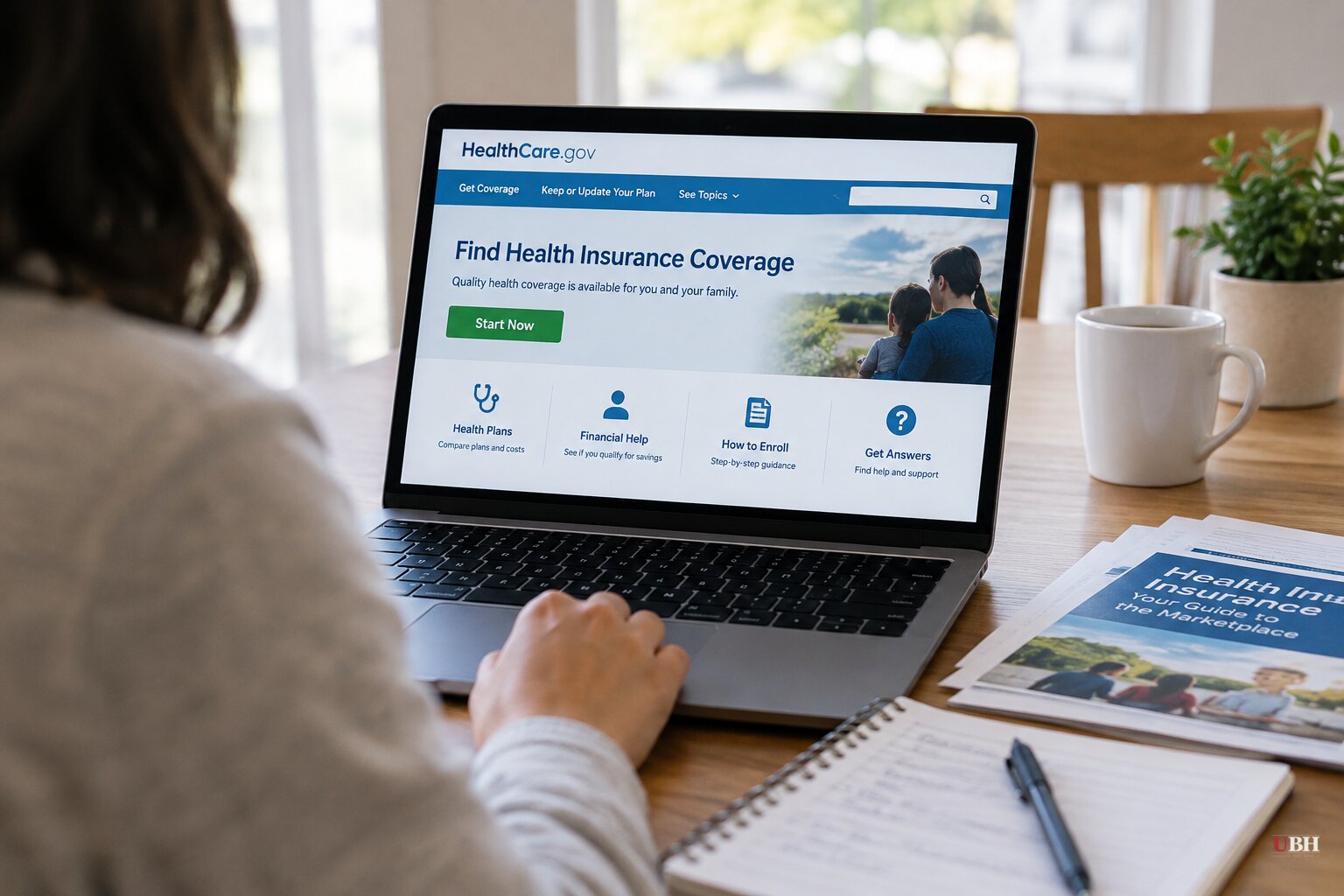
Since Congress let the enhanced ACA premium tax credits expire at the end of 2025, marketplace prices have kept climbing. Open enrollment for 2027 coverage starts Nov. 1 in most states, and the sticker prices shoppers will see are higher again.
The national numbers
Insurers proposed a median increase of 15%. The average increase in finalized benchmark silver premiums for 2027 is 13%, according to KFF's analysis of rate filings and state data. That follows a 26% rise from 2025 to 2026.
The split by platform is wide. In states on the HealthCare.gov platform, benchmark premiums are rising 11%. In states that run their own exchanges, they are rising 16%. Last year it was the reverse: 30% in HealthCare.gov states against roughly 17% in state-run markets.
The range by state is enormous. Healthinsurance.org tracks weighted average increases in the individual market, and the top of its ranking runs from 21.7% to 27.9%, with Arizona highest at 27.9%. At the other end, Vermont is at 3%, Iowa 5.7%, New York 6% and Utah 6.7%.
Some of the Arizona-to-Utah gap is still unsettled. Quartz notes that Kansas, Alaska and Mississippi figures were insurer proposals, not finalized rates, as of Oct. 19.
The full-price average premium rose from $619 a month to $741 over the past year, according to healthinsurance.org. Average net premiums, what enrollees pay after subsidies, rose 58% in 2026, the same group found. That happened even though many people moved to cheaper Bronze plans.
Two states, two double-digit hikes
New Jersey's Department of Banking and Insurance says rates in the individual market, including Get Covered New Jersey plans, will rise by a weighted average of 19.8% in 2027. This year's increase was 15.9%.
That figure is before financial assistance. What a New Jersey household actually pays depends on the insurer, the plan, income and subsidy eligibility.
In Michigan, the Department of Insurance and Financial Services approved a statewide average increase of 14.2% for individual plans and 9.6% for small-business plans. Among individual-market carriers, UnitedHealthcare Community Plan got 25.2%, Meridian Health Plan of Michigan 24%, Molina Healthcare 22.4%, and Blue Cross Blue Shield Mutual 12.8%. Oscar got 11.9%.
Bill Tuthill, Blue Cross's vice president of individual business, said an anticipated 10% rise in medical and prescription drug costs drove the request. UnitedHealthcare cited higher hospital prices, greater utilization and rising specialty drug costs.
Why insurers say prices are rising
The filings point to two causes. One is the underlying cost of care, which KFF says is rising faster than usual and is not unique to the exchanges. Some employer plans have also seen steep increases.
The other is the expired subsidy. KFF's review of insurer filings found that changes in the risk pool added about four percentage points on average to 2026 premiums. Insurers expect a similar added effect in 2027.
"If hospital systems charge more money, that gets passed on; new technologies, that gets passed on," said Neil Sullivan, who was assistant commissioner at New Jersey's insurance department from 2010 to 2014. He also said a sicker pool "is going to drive high premiums."
The federal ledger sits behind all of this. The enhanced credits were created during the pandemic, and Congress chose not to extend them. Congressional Democrats held out for weeks during last year's government shutdown to get an extension and failed. Republican leaders opposed it.
New Jersey Reps. Jeff Van Drew and Tom Kean Jr., both Republicans, voiced support at times last fall for keeping the credits. Kean crossed party lines to vote for a House bill that never gained traction in the Senate.
In Michigan, Republican lawmakers who hold a slim House majority have introduced measures to rein in healthcare costs. They face organized opposition from a lobby group, according to Breitbart's account of the state debate.
Who gets hurt most
Most enrollees get a subsidy that softens the blow. KFF says people with incomes above 400% of the federal poverty level are hit hardest, because they no longer qualify for premium tax credits and pay the full cost.
KFF also warns that steep increases may push more healthier enrollees to drop coverage. That would worsen the risk pool and add upward pressure on premiums.
Enrollment has already shrunk. NJ Spotlight News reports a decline of nearly 3 million between 2025 and 2026, with enrollment falling in 49 of 50 states. New Mexico was the exception, using state money to fill the federal gap.
Insurers reposition
Carriers are making different bets. Centene, the largest ACA insurer, is adding 55 counties across seven states, including Michigan and New Jersey. But it is also leaving Delaware and New Hampshire, so its footprint does not grow on net.
UnitedHealthcare is exiting ACA plans in Georgia. It says its footprint of roughly 1,300 counties is unchanged because it is expanding in its remaining 29 states. "We will continue to carefully evaluate exchanges on a state-by-state basis each year," said Eric Hausman, UnitedHealth's vice president of media relations.
Oscar Health, which covers about 2.9 million ACA enrollees, is adding 140 counties and entering South Carolina for the first time. Executives told investors last month that the company plans 400 to 600 new counties by 2029, backed by record profits in the first half of this year.
What comes next
Shoppers can start comparing 2027 plans on Nov. 1. Whether the 2027 increases push more healthy enrollees out of the market, as KFF warns, will show up in enrollment data after the sign-up period closes.
Sources used for this briefing
6 links from 6 independent newsrooms (syndicated copies of the same report count once)
These are the sources it draws on, linked so you can verify.


