
Unbiased headlines. Facts, not spin.
Every story is an unbiased news briefing written from 110+ sources across the spectrum — sources linked so you can verify it yourself.
 energy
Major Story (7/10)
August 5, 2026 at 06:54 AM
energy
Major Story (7/10)
August 5, 2026 at 06:54 AM
Abbott Details What Texas Data Centers Must Now Disclose to Keep Their Grid Connections
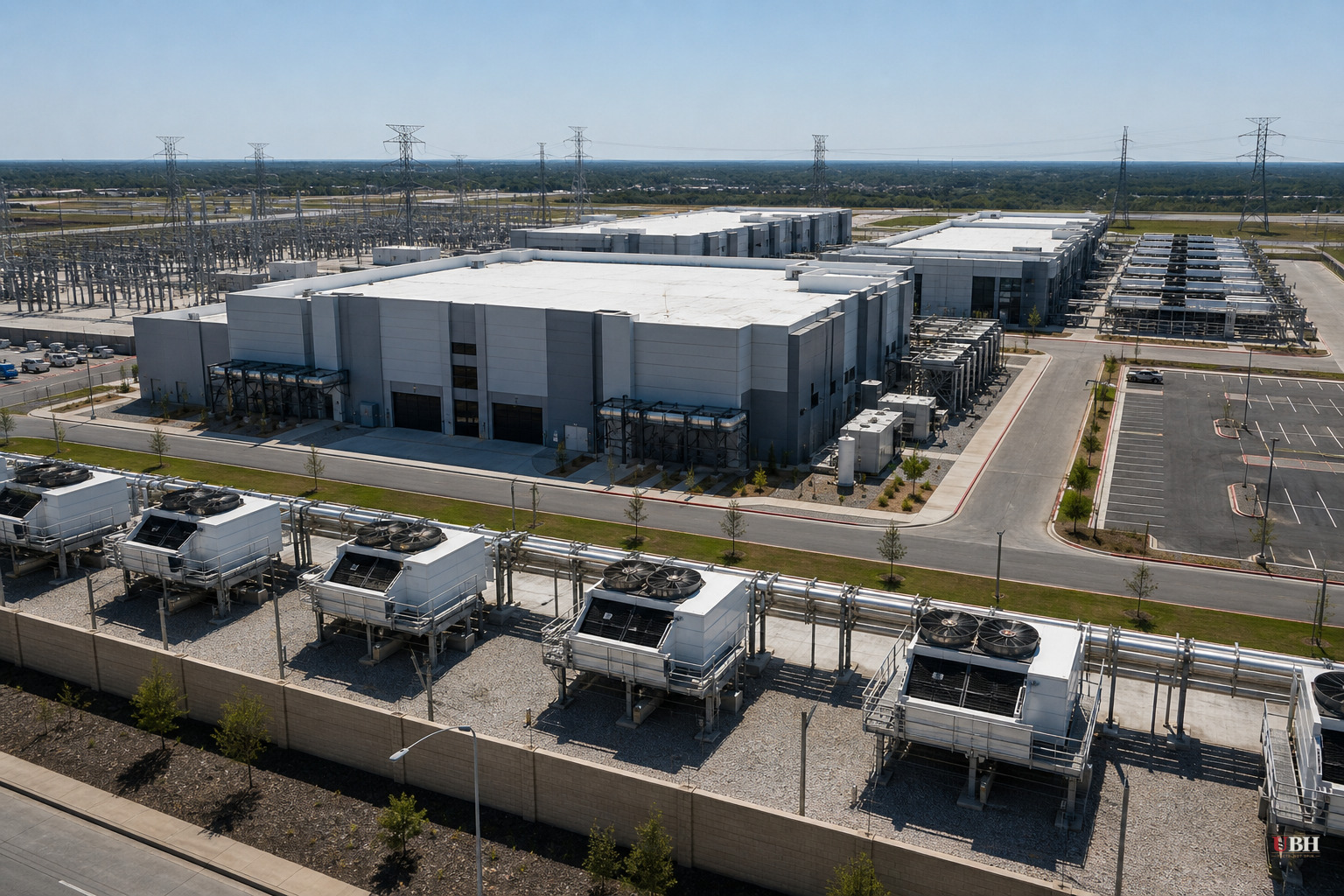
Since Governor Greg Abbott's August 3 letter to state regulators froze new data center grid connections, the paperwork requirements behind that freeze have become clear. Developers seeking to plug into the Texas grid must now hand over ownership records, water usage projections, tax break details, cooling technology specs, and power demand forecasts. Miss any of it, and the project gets denied.
Abbott sent the directive to Public Utility Commission of Texas Chairman Thomas Gleeson and ERCOT President and CEO Pablo Vegas. It orders a "comprehensive verification and audit" of every data center project currently working through the grid operator's interconnection queue, according to the letter itself as reported by E&E News, Ars Technica, and ZeroHedge.
The numbers behind the order are stark. ERCOT told the Texas Senate on July 29 that its interconnection queue has swelled to roughly 474 gigawatts of requested capacity, according to testimony cited by ZeroHedge and POWER Magazine. About 90 percent of that is data centers. For comparison, ERCOT's all-time peak hourly demand hit 91,089 megawatts on July 22, 2026. The pending requests are more than five times that record.
"That unprecedented load growth could endanger the reliability and stability of the Texas electric grid," Abbott wrote, according to the letter quoted by all three outlets. "Simply put, Texans must come first."
What Changed, and What Didn't
This is not Texas suddenly turning against data centers. Abbott spent much of the past year calling Texas the "epicenter" of AI development while courting megaprojects, a contradiction Reason's coverage points out directly. Texas is still on pace to pass Virginia as the country's largest data center market, according to industry forecasts cited by Reuters and Ars Technica, with some projections putting that crossover as early as 2030.
What's new is the compliance bar. Any project that doesn't hand over the required information "must be denied connection to the Texas grid," per Abbott's letter. That's a harder line than ERCOT's existing screening process.
ERCOT had already moved in June to approve a "Batch Zero Process for Large Load Interconnections," a system that groups power-hungry applicants into batches rather than processing them one by one, according to reporting from the Houston Chronicle referenced by Reason. To qualify, applicants must post a deposit covering grid upgrade costs and prove they have a signed lease or land deed, a contracted customer, and equipment orders already placed.
Reason argues Abbott's audit order is largely redundant given that framework. A similar filter imposed by Chicago-based utility Exelon cut expected data center load by 40 percent in one quarter earlier this year simply by weeding out speculative applicants. If Batch Zero was already doing that work, the question is what the audit adds beyond political cover.
The Bigger Fight Over Who Pays
There's a money angle here too. A Texas data center tax break that started in 2014 with bipartisan support has grown into more than $1 billion a year in breaks for developers, according to reporting from The Texas Tribune cited by Ars Technica. The state estimates it could lose $3.2 billion in sales tax revenue over the next two years because of it.
This is a legitimate fiscal concern regardless of where anyone stands on AI infrastructure. If a program meant to attract a handful of server farms in 2014 has metastasized into billions in forgone revenue with an interconnection queue five times larger than peak demand, taxpayers deserve to know whether the state is subsidizing speculative land banking rather than real investment. Abbott's audit at least forces ownership and tax-benefit disclosure into the open, which is more transparency than existed before.
The pushback isn't unique to Texas or to Republicans. New York Governor Kathy Hochul issued the nation's first statewide data center construction moratorium in July, citing the same trio of concerns Abbott raised: grid reliability, energy affordability, and water use. Maine's legislature passed a similar moratorium in April, though Democratic Governor Janet Mills vetoed it. When a Texas Republican and a New York Democrat land on the same policy instinct within weeks of each other, that's a signal the underlying grid math is the real driver, not partisan politics.
Not every one of the 1,800-plus projects in ERCOT's queue will actually get built. Speculative filings are common in interconnection queues nationwide, and ERCOT's own forecasts, cited by The Texas Tribune, still project statewide electricity demand could double by 2032 even after accounting for projects that fall through.
The open question is how fast PUCT and ERCOT can actually process the audits Abbott ordered, and whether the new disclosure requirements slow down legitimate projects like Goldman Sachs' planned Dallas expansion alongside the speculative ones. Neither Abbott's office nor ERCOT has published a timeline for when the audit will be complete or when new connections might resume.
Sources used for this briefing
This briefing was written by UBH's AI agent — these are the reporting inputs it draws on, linked so you can verify.


