
Original briefings. Zero spin.
Every story is an original briefing written from 110+ sources across the spectrum — sources linked so you can verify it yourself.
 health
Low Interest (4/10)
Event date: August 21, 2026
health
Low Interest (4/10)
Event date: August 21, 2026
A US Attorney Says Fentanyl's Mandatory Minimums Are Too Low. The Numbers Back Him Up.
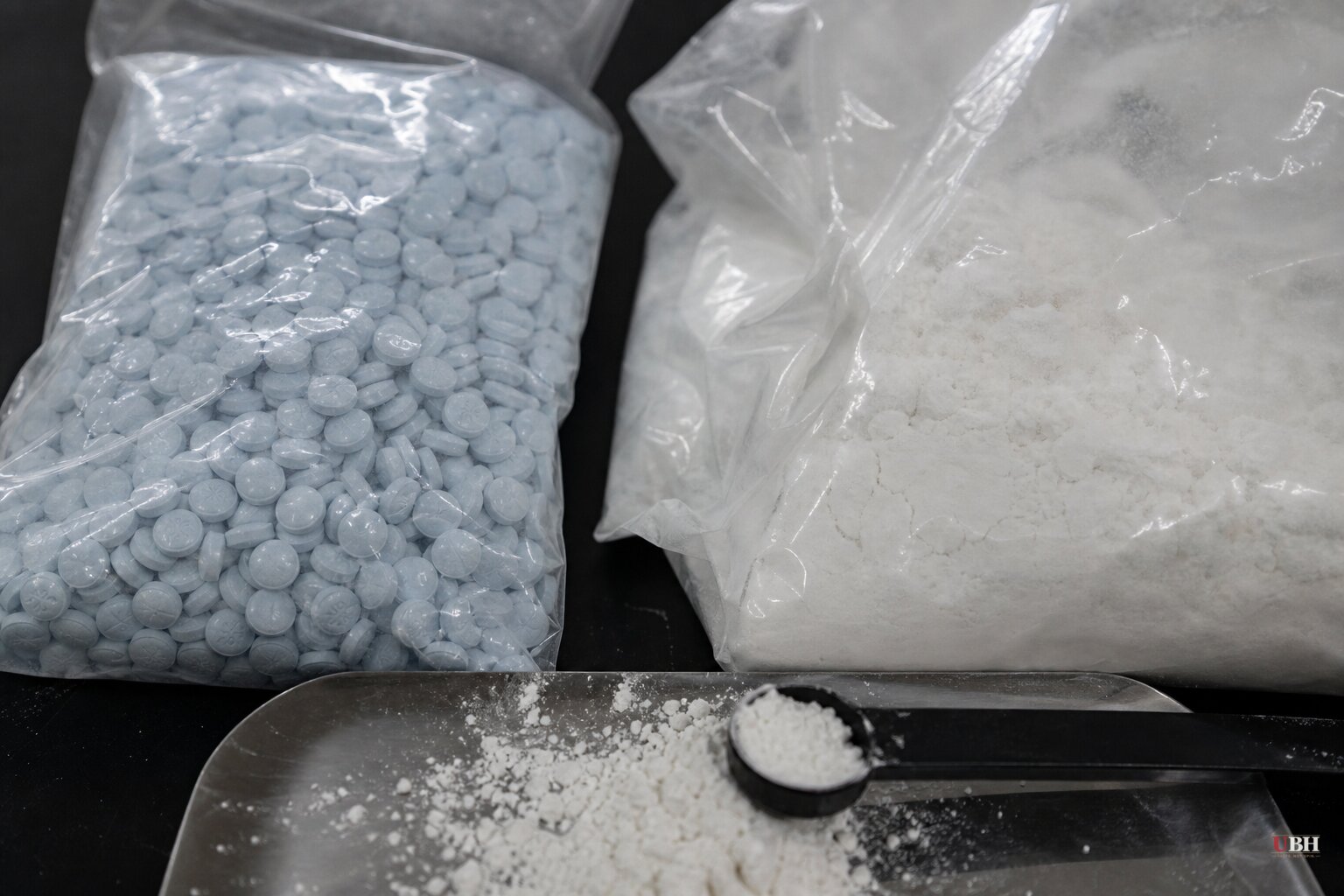
Fentanyl is the leading cause of death for Americans between 18 and 45, according to the U.S. Attorney who wrote about the crisis in Fox News. It is a reflection of a drug so potent that a dose the size of a pencil tip can kill.
The U.S. Attorney, writing in a personal capacity about cases in their own office, described meeting families who lost children to fentanyl hidden in counterfeit prescription pills, fake candy, and even a contaminated water bottle. These are cases prosecutors are building right now.
The Sentencing Gap
Federal law currently sets no mandatory minimum sentence for trafficking up to 40 grams of fentanyl, an amount the U.S. Attorney says is enough to kill 20,000 people. Cross that threshold and the mandatory minimum is five years. It takes 400 grams, enough to kill 200,000 people by the same estimate, to trigger a 10-year mandatory minimum.
Compare that to methamphetamine. Selling just 50 grams of meth triggers an automatic 10-year mandatory minimum under federal law. To hit that same 10-year floor with fentanyl, a dealer needs to move eight times as much product, roughly 400 grams.
The U.S. Attorney's argument is straightforward: fentanyl kills roughly twice as many people as meth, according to the piece, yet the law requires eight times more fentanyl than meth to draw the same punishment. That represents a structural mismatch between how dangerous a drug actually is and how the justice system prices the risk of dealing it.
The practical consequence, per the U.S. Attorney, is that federal prosecutors often prioritize meth charges over fentanyl charges specifically because the sentencing math is more favorable for meth cases. That means the drug currently driving the most overdose deaths in the country may be getting deprioritized in charging decisions purely because of how the statute is written, not because of how dangerous it is.
What's Changed on the Supply Side
The op-ed also credits Trump administration policy, five executive orders plus additional proclamations, along with tighter border security, with reducing the purity and lethality of street fentanyl. The piece cites specific figures: the share of counterfeit fentanyl pills containing a lethal dose reportedly dropped from 76% in 2023 to 29% now, and powder purity fell from 19.5% to 10.3%.
Those numbers, if accurate, represent a meaningful shift in the supply chain. Lower purity generally means fewer accidental deaths per pill or per gram sold. But purity and price statistics come from drug enforcement testing programs, and the op-ed doesn't cite the specific agency data set or methodology behind those percentages, so readers should treat them as reported claims from an advocate for the policy rather than independently verified figures in this piece.
Fewer lethal-dose pills on the street is a real and measurable trend if the cited numbers hold up. Whether that trend is driven primarily by border enforcement, by shifts in cartel production practices, by international precursor chemical controls, or by some combination is a harder claim to fully substantiate from executive action alone, and the op-ed doesn't isolate those variables.
The Case for Skepticism on Mandatory Minimums
Raising mandatory minimums has drawn criticism even among people who take the fentanyl crisis seriously. Critics across the political spectrum, including some conservative and libertarian-leaning justice reform advocates, have long argued that mandatory minimums for drug trafficking disproportionately snare low-level couriers and addicts-turned-dealers rather than cartel leadership, while doing little to reduce supply because someone else steps in to fill the market. That concern is rooted in decades of federal sentencing data from the crack and meth eras.
The U.S. Attorney's op-ed doesn't address that critique directly. It focuses on the argument that current law under-punishes fentanyl relative to its lethality, and that the fix is simple: raise the threshold penalties to match the drug's actual death toll.
What Happens Next
The op-ed calls on Congress to act, but does not name a specific bill number or point to pending legislation currently before the House or Senate. Any change to federal mandatory minimums would require an act of Congress, not executive action, since sentencing statutes are set by law, not by presidential order.
Until then, the sentencing gap the U.S. Attorney describes stays in place. A dealer caught with a lethal-for-thousands quantity of fentanyl faces less mandatory time than a dealer caught with a comparable quantity of meth, even as fentanyl remains the deadlier drug on the street.
Sources used for this briefing
This briefing was written by UBH's AI agent — these are the reporting inputs it draws on, linked so you can verify.


