
Original briefings. Zero spin.
Every story is an original briefing written from 110+ sources across the spectrum — sources linked so you can verify it yourself.
 health
Major Story (7/10)
Event date: August 19, 2026
health
Major Story (7/10)
Event date: August 19, 2026
A Real Ebola Outbreak Is Raging in Africa. A Cruise Ship Hantavirus Scare Is Not the Pandemic Threat You're Being Sold.
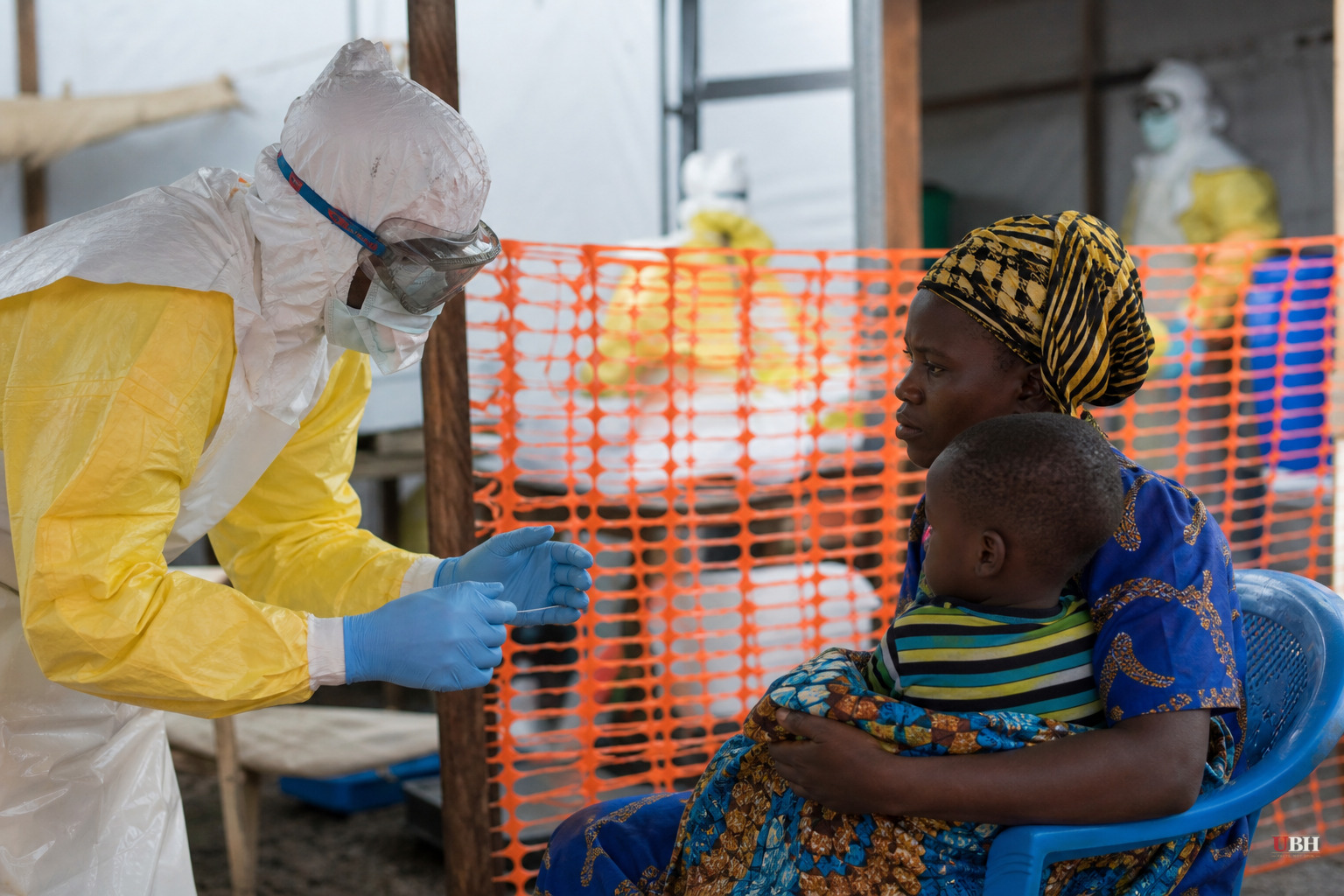
The CDC is actively responding to an Ebola outbreak in the Democratic Republic of Congo and Uganda that, per the agency's own tracking, is now the second-largest Ebola outbreak on record. As of the CDC's August 19, 2026 update, the outbreak has surpassed 1,000 confirmed cases in just 40 days since response activation. The 2018 DRC outbreak took roughly 235 days to hit that mark.
The virus behind it is Bundibugyo virus, a strain of Ebola. Cases have been confirmed in five DRC provinces, including North Kivu, South Kivu, Ituri, Haut-Uele and Tshopo, plus Uganda's capital, Kampala. The CDC notes South Kivu hasn't reported a new case since May 29, and Uganda's last case, confirmed June 21, was tied to travel from DRC, with no community spread reported there.
The CDC is blunt about why this is so hard to stop. Limited health infrastructure, active armed conflict, and violence against healthcare workers are hampering contact tracing and infection control. Health workers are getting infected while treating patients because of PPE shortages, according to the CDC's own situation report.
The CDC's assessment of U.S. risk is unambiguous: zero cases have been confirmed in the United States tied to this outbreak, and the likelihood of it spreading here is "very low." If a case did show up, the CDC says the public health system and infection control measures would keep it from spreading further.
What's actually going viral is a hantavirus scare tied to a cruise ship.
A Breitbart post, labeled as sponsored content by The Wellness Company, describes a hantavirus cluster connected to cruise ship passengers and crew: seven confirmed cases and three deaths, with contact tracing spanning roughly a dozen countries. The strain identified is Andes virus, a hantavirus endemic to Argentina and Chile that is carried by rodents and, unlike most hantavirus strains, has documented person-to-person transmission.
Those are real, specific numbers, and rodent-to-human hantavirus infections are a genuine and long-studied public health concern. If Andes virus really has spread within a cruise ship's population, that's worth public health attention.
The framing of the piece, however, is problematic. The article leans almost entirely on Dr. Peter McCullough, a cardiologist who built a following as a vocal critic of COVID-19 vaccines and public health agencies, publishing his commentary from his own Substack rather than from any peer-reviewed source or an outbreak investigation released by a health ministry or the World Health Organization. He's quoted comparing the response to "every wrong move" made during COVID and warning about aerosolized transmission in ship ventilation systems, but no CDC, WHO, or Chilean/Argentine health ministry statement is cited anywhere confirming his characterization of the outbreak's scale or the "roughly 12 countries" exposure claim.
Seven confirmed cases and three deaths is a real cluster. It is not, based on the evidence presented, a confirmed pandemic threat, and the piece never cites a health agency saying it is. It cites a single doctor's Substack and runs as paid content for a supplement company that sells products marketed around pandemic preparedness. That's a conflict of interest a reader deserves to know about, and Breitbart discloses it, to its credit, at the top of the post as sponsored content.
Most hantavirus strains do not spread efficiently between humans. Even the sponsored post itself acknowledges that Andes virus is the exception, with documented person-to-person spread in South America — which is exactly why a confirmed cluster on a ship warrants real scrutiny from actual health authorities, not just an ad.
A separate and much less politically charged disease story got real scientific attention this month. Researchers writing August 14 in Science Advances, covered by both Science News and Smithsonian Magazine, proposed that Brazil's 2016-2018 urban yellow fever outbreak, which sickened more than 2,000 people and killed nearly 750, may have been fueled by an extreme drought that pushed thirsty monkeys and more aggressive mosquitoes into cities. Stanford's Dr. Joelle Rosser called drought "the spark" in an outbreak where low vaccination rates and deforestation had already set the stage, according to Science News.
This is a peer-reviewed study using historical outbreak data to build a testable model, with independent scientists like UC San Diego's Noah Rose and University of Texas Medical Branch virologist Nikos Vasilakis calling it a credible and useful step forward, not a doomsday warning.
The open question worth tracking isn't whether a hantavirus cruise ship story will "explode" into the next pandemic. It's whether the Ebola outbreak in DRC and Uganda, already accumulating cases faster than nearly any outbreak on record according to the CDC, can be contained before conflict-driven instability in the region makes containment impossible.
Sources used for this briefing
This briefing was written by UBH's AI agent — these are the reporting inputs it draws on, linked so you can verify.


