
Unbiased headlines. Facts, not spin.
Unbiased Headlines is an independently owned news organization. We bring you the facts, not opinions, written fresh from 110+ named sources. Sources linked so you can verify it yourself.
 health
Notable (5/10)
A 2010 Biologics Law Added an Extra Test for Cheaper Copies. Critics Want Congress to Drop It
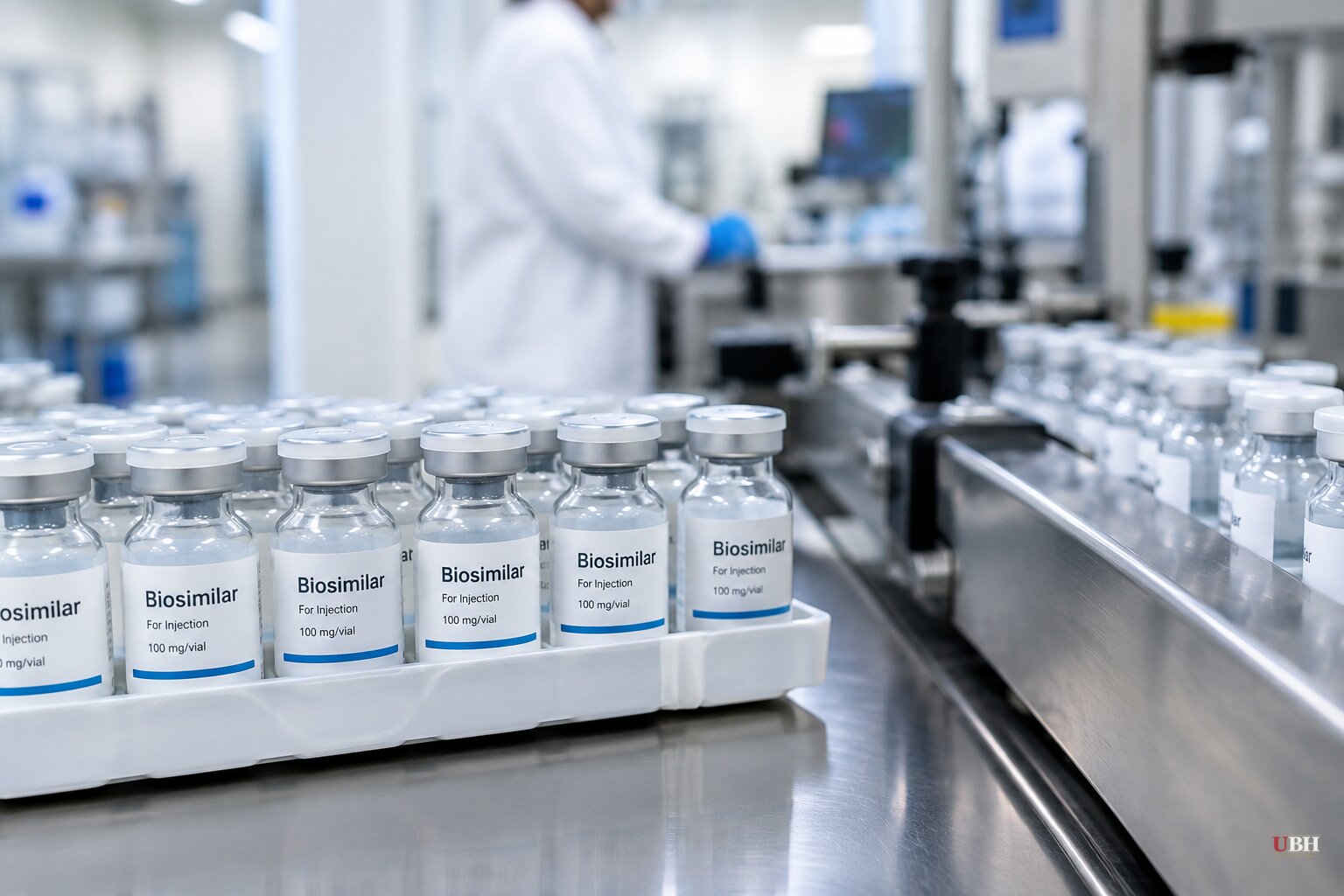
Congress could lower the price of some of the most expensive drugs in America by removing a single regulatory step. That is the argument in a new op-ed in The Hill, and it targets a provision that has been law since 2010.
The drugs in question are biologics, medicines made from living organisms rather than synthesized chemicals. They treat autoimmune diseases, diabetes, cancer and other chronic conditions. Insulin is one. The op-ed says no known chemical drug can substitute for it.
How the 2010 law created two tiers
The Biologics Price Competition and Innovation Act set up an approval pathway for copies of biologics, called biosimilars. Think of them as the biologic version of generics.
To win approval, a manufacturer must show its biosimilar is "highly similar" to the original product. That part works like the generic model, where patent expiration opens the door to competition and prices fall.
The law then added a second, higher standard: interchangeability. To earn that label, a manufacturer must submit extra evidence that switching between the original and the copy produces no different results.
Why the extra label matters at the pharmacy counter
Many states require the interchangeable designation before a pharmacist can swap a biosimilar for the brand-name drug a doctor prescribed. Without it, the pharmacist generally cannot make the substitution on the spot.
The op-ed argues manufacturers often find the added evidence too costly to produce, so few biosimilars get the designation. The result, in its telling, is that patients and taxpayers miss out on savings that would show up as lower premiums and co-pays.
The author points to the generic-drug market as proof of concept. Drugs that once cost thousands of dollars sell for pennies after generic competition arrives, and the op-ed notes Amazon now offers a prescription subscription for a few dollars a month.
The op-ed's prescription is simple: drop the extra requirement and let biosimilars compete on the same footing as other generics. Changing a statutory standard would take an act of Congress. The op-ed does not cite a specific bill.
The wider drug-price fight
The biosimilar issue lands in a crowded political argument over what Americans pay for medicine.
Breitbart News reports that prescription drug prices recorded their largest annual decline on record in the latest consumer price index report from the Labor Department. That is Breitbart's characterization, and it has not been independently checked here.
Breitbart also reports President Donald Trump announced that most-favored-nation pricing, from deals he struck with pharmaceutical companies, is being extended to Medicaid programs in all 50 states, Washington, DC, and Puerto Rico. Trump also launched the TrumpRx.com website, which White House press secretary Karoline Leavitt told The Alex Marlow Show offers large discounts on prescription drugs. Trump has called on Congress to enact the most-favored-nation program into law.
None of that touches the interchangeability rule, which sits in a 2010 statute. Executive-branch deals and a website do not change what states require of pharmacists.
Democrats say coverage is the bigger problem
Democrats frame affordability differently. On October 28 in Buffalo, Rep. Tim Kennedy (D-NY) joined 1199SEIU and local hospital, nursing home and clinic leaders to oppose new federal Medicaid work requirements.
Kennedy said the requirements add "red tape that puts coverage at risk for people who need it most," and that "one missed form could mean losing their health coverage." He blamed Trump and congressional Republicans and pledged House Democrats will fight to reverse the changes.
Under the law Kennedy calls the "Big, Ugly Bill," many Medicaid adults aged 19 to 64 must show 80 hours a month of work, school, job training or community service, or earn at least $580 a month. They must also renew coverage every six months instead of annually.
The New York State Department of Health estimates at least 475,000 New Yorkers could lose Medicaid because of the work requirements and more frequent eligibility checks.
Grace Orr, an 1199SEIU vice president for Western New York nursing homes, disputed the premise of the policy. She said 92% of Medicaid enrollees already work, study, care for someone, or cannot work because of illness or disability. "These 'work requirements' aren't about promoting work; they're about taking healthcare away from the people who need it most," Orr said, citing coverage losses in Georgia and Arkansas after those states tried similar rules.
The rules apply to new applicants starting January 1, and to current enrollees at renewal beginning March 1.
What comes next
The interchangeability fix has a clear target and a clear cost to the status quo, but no vote is scheduled. Whether any lawmaker picks up the op-ed's proposal is an open question.
The Medicaid dates are fixed. New applicants face the work requirements in about two months, and existing enrollees start hitting them at renewal on March 1.
Sources used for this briefing
4 links from 3 independent newsrooms (syndicated copies of the same report count once)
These are the sources it draws on, linked so you can verify.


