
Unbiased headlines. Facts, not spin.
Unbiased Headlines is an independently owned news organization. We bring you the facts, not opinions, written fresh from 110+ named sources. Sources linked so you can verify it yourself.
 politics
Major Story (8/10)
9th Circuit rules 2-1 against DOJ demand to set aside 20,000 California ballots, sends case to district court hearing Oct. 27
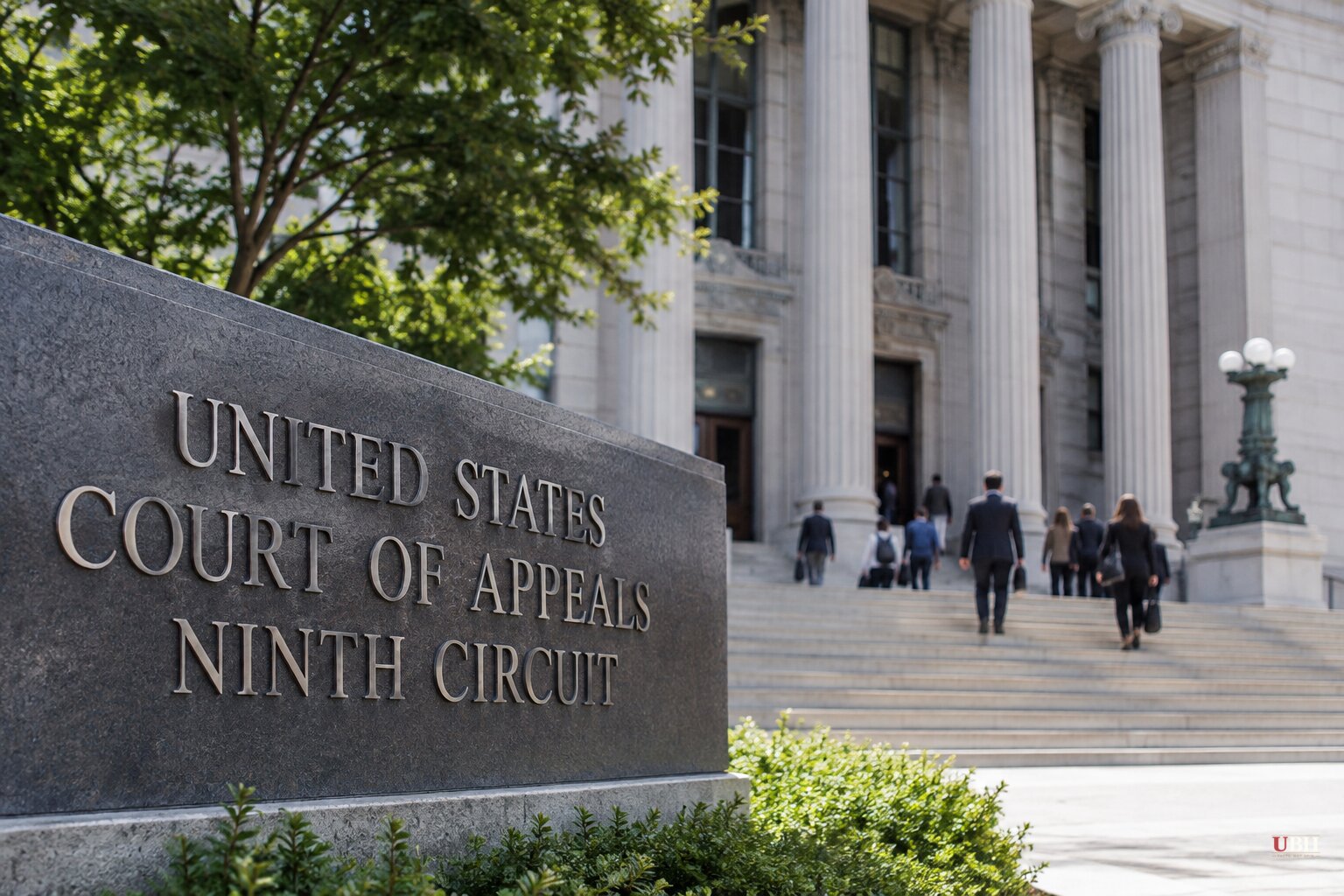
A federal appeals court has rejected the Justice Department's demand that California segregate ballots from 20,000 voters the department says are noncitizens. On Monday, Oct. 26, the 9th Circuit ruled 2-1 against the department.
Judges Mark Bennett and Gabriel Sanchez made up the majority. Judge Patrick Bumatay dissented. The majority dismissed the DOJ's emergency motion and remanded the matter to the district court, which is scheduled to hold a hearing on Oct. 27.
What the majority said
The two judges wrote that the "United States failed to allow the district court adequate opportunity to consider" its lawsuit. The ruling does not decide whether the 20,000 names are noncitizens. It decides that the appeals court was the wrong place to start.
They also pointed to the calendar. Granting the request with about a week left before Nov. 3 would cause confusion among California voters, the order said.
The majority went further on the timing. "At the eleventh hour, the United States seeks to shift the burdens of its priorities onto California and co-opt the State into carrying out the Executive Branch's policies on a massive scale," the order said. It called the supposed emergency "entirely of the United States' own making."
The judges noted that the administration claimed to have known for months about alleged noncitizens on the rolls, yet waited until voting had already begun, with counting of mail-in ballots underway for two weeks.
The order also warned that some may interpret granting the request as an endorsement of what it called the government's "currently unsubstantiated allegation." Voters could be dissuaded from voting because they could be wrongly labeled as voting illegally, and other eligible voters could have their votes denied altogether, the judges wrote. Election administrators would also be pulled away from existing tasks to implement a new voter-citizenship verification process.
The DOJ's position
The administration says it tried unsuccessfully for months to "collaborate with California to prevent unlawful voting." It acknowledges it could have filed sooner, but says it waited until it had a refined list of names to "strengthen its case."
The department had given California's secretary of state 48 hours to segregate the ballots until the people on the list could verify their citizenship. State election officials refused, which led to the lawsuit.
By Oct. 22, the administration had filed an emergency application in the 9th Circuit after the district court failed to rule by noon that day on its temporary restraining order, a deadline the government imposed the night before. The government had told the district court it needed a decision by Election Day on Nov. 3, and the court had already set a hearing for Oct. 27.
The concern behind the demand is not frivolous. Noncitizen voting is illegal, and a state that will not let federal officials examine its rolls invites suspicion. Earlier this month, the DOJ also filed criminal charges against 28 green-card holders in California over alleged voter fraud. They are lawful permanent residents, who are not citizens and not permitted to vote. Court papers suggested several of them were confused about their eligibility and agreed to voluntary interviews with investigators. Acting Deputy Attorney General Trent McCotter said all 28 were on the list of more than 20,000 suspected noncitizen registrants already given to California.
U.S. Attorney for the Central District of California Bill Essayli said California's election system has critical vulnerabilities, including universal vote-by-mail without ID requirements, creating "conditions where fraud can go undetected and unpunished, eroding public confidence."
The list itself
The weak point for the department is the list. There is uncertainty over how the department developed its roster of 20,000 names and how accurate it is, and California officials say the DOJ has not provided data or methodology to back up its allegations.
Court filings from last week show Los Angeles election officials analyzed a sample of 200 people on the list. They found a "high percentage" were born in the United States.
California Secretary of State Shirley Weber called the department's claims "vague and unsubstantiated" in a letter earlier this month. She also said the Department of Homeland Security claimed earlier this year that California had 190,000 registered voters who "may be" noncitizens, without explaining how it reached that number.
Political reaction
Gov. Gavin Newsom called the ruling "a positive development and a welcome speed bump to Trump's disgusting attacks on the constitution and our country's democracy." On X, he said California "will keep fighting back." Attorney General Rob Bonta touted the decision as a rejection of the administration's "unlawful overreach."
Voting rights groups and Democrats have criticized the effort, saying the administration is trying to create uncertainty around the upcoming election results.
The dissent
Bumatay argued the court did have jurisdiction because of the massive scale at which Californians vote by mail. "According to the federal government, thousands of noncitizens are registered to vote in California," he said. "Federal law precludes California from commingling ballots likely cast by aliens with legitimate ballots, because it encourages and induces illegal voting. Stopping that practice for those identified as likely noncitizens is the bare minimum."
What comes next
The Oct. 27 hearing before the district court is the next step. The trial judge will weigh the DOJ's request with Election Day on Nov. 3 approaching and counting already underway.
Sources used for this briefing
7 links from 7 independent newsrooms (syndicated copies of the same report count once)
These are the sources it draws on, linked so you can verify.


