
Original briefings. Zero spin.
Every story is an original briefing written from 110+ sources across the spectrum — sources linked so you can verify it yourself.
 health
Notable (6/10)
Event date: September 3, 2026
health
Notable (6/10)
Event date: September 3, 2026
9/11 Death Toll From Illness Hits 9,677, New FDNY Report Puts Member Deaths Past 600
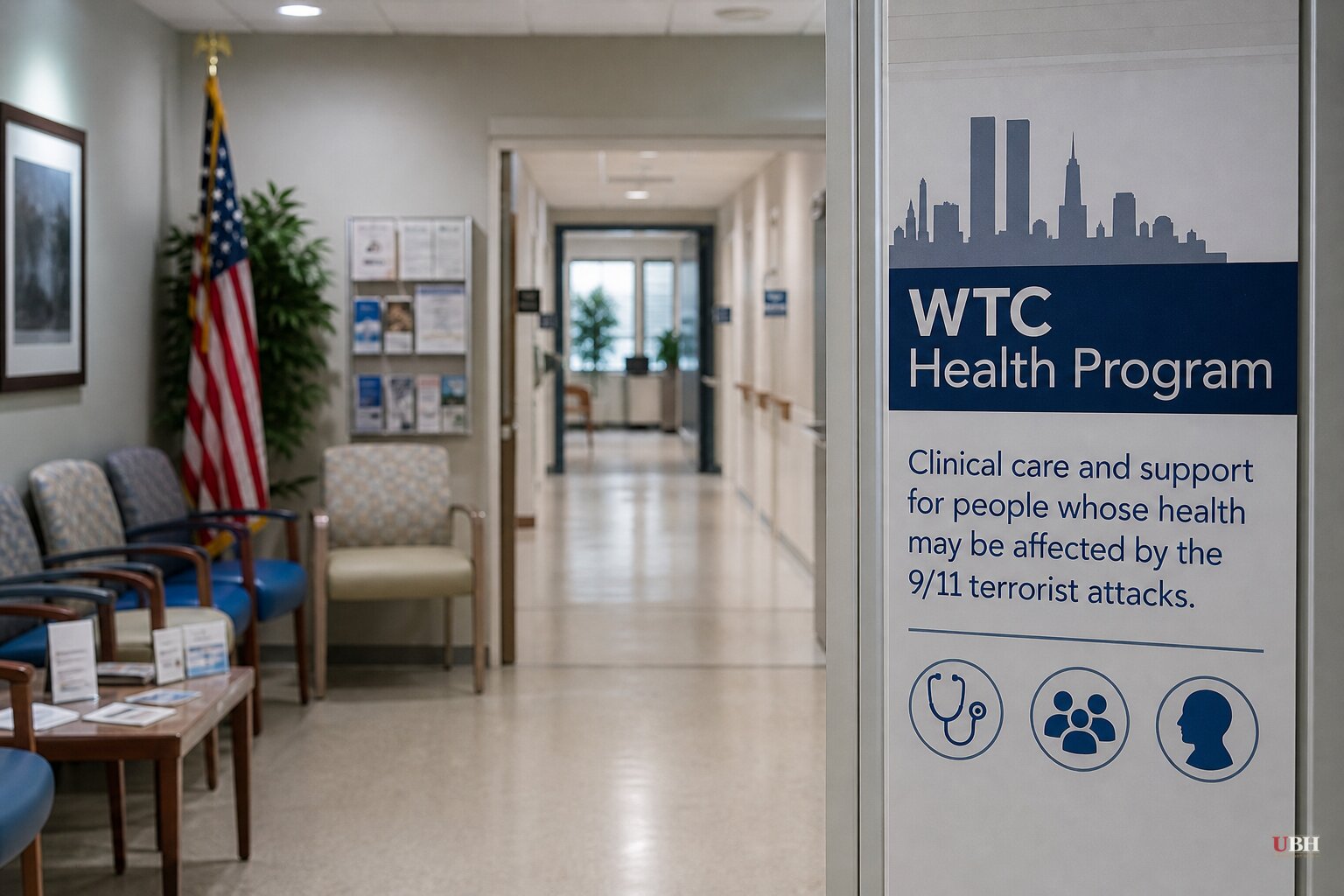
Since the September 11th Victim Compensation Fund began tracking illness deaths tied to Ground Zero exposure, the toll has climbed to 9,677 as of July 31, according to New York Post reporting on VCF data. That's more than triple the 2,753 people killed at the World Trade Center site on the day of the attack.
Of those 9,677 deaths, 5,892 came from cancer, the New York Post reported. Documented cancer cases across the program now total 57,044, and officials say the real number is likely higher.
The Numbers Behind the Toll
Centers for Disease Control data as of June 30 shows non-melanoma skin cancer as the most common diagnosis among responders and survivors, with 18,380 cases, followed by prostate cancer (13,170), female breast cancer (4,830), melanoma (3,860) and lymphoma (2,560), according to the New York Post.
The risk isn't just elevated. World Trade Center Health Program data shows members are 123 times more likely to have thyroid cancer, 119 times more likely to have melanoma, and 98 times more likely to be diagnosed with prostate cancer, per the New York Post's analysis. Women in the program are 100 times more likely to develop breast cancer than women outside it.
Male breast cancer, which normally accounts for roughly 1.5% of all breast cancer cases, has shown up far more often than statistics predict. Attorney Michael Barasch, whose firm is litigating 50,000 9/11 illness cases, told the New York Post his firm alone represents 100 men with the disease. Statistically, he said, there should only be about five. Barasch said his firm loses two clients to cancer every day and gains roughly a dozen new clients weekly who are either sick themselves or are family of someone who died.
FDNY's Own Reckoning
The Fire Department of the City of New York released its own 25-Year Health Impact Report this week, and the numbers are stark. More than 600 FDNY members have died from illnesses tied to their work at the World Trade Center site, according to NY1 and Fire and Safety Journal Americas, a toll that has now surpassed the 343 firefighters killed in the attacks themselves.
Nearly 16,000 FDNY members have enrolled in the department's WTC Health Program since it launched weeks after the attacks. More than 12,000 have been certified with at least one WTC-related condition, over 10,500 for a physical condition and nearly 4,500 for a mental health condition, per Fire and Safety Journal Americas. Close to 5,000 members have had some form of cancer, and 26% of those have been certified for more than one type.
"Sadly, we know that 9/11 was not a one-day event for our department. It is a day that continues to sicken our members," FDNY Commissioner Lillian Bonsignore said, as quoted by both NY1 and Fire and Safety Journal Americas.
Dr. David Prezant, director of the FDNY WTC Health Program, said five years after a cancer diagnosis, 86% of program members are still alive. "Monitoring leads to early diagnosis, leads to early treatment, but here you see that it leads to survival," Prezant told NY1.
Mental health outcomes have also improved over time, even though a meaningful share of responders still struggle. About 14% of firefighters and EMS providers tracked by the program continue to battle depression, down from 36% a year after the attacks, according to figures cited by floppingaces. PTSD rates dropped from 16% in 2002 to about 6% today.
Beyond the Firehouse
The illness toll isn't confined to firefighters and cops. Michael Geczik, an AT&T telecommunications worker who spent five days at Ground Zero starting September 13, 2001, restoring communications to Lower Manhattan, was diagnosed with a 9/11-related cancer more than a decade later and died in 2024, according to ems1. His daughter, Ashley Geczik, is running this year's 9/11 Memorial & Museum 4M race in his memory. "My story is just one of thousands," she told ems1.
Dr. Jacqueline Moline, director of the Northwell Health Queens WTC Health Program Clinical Center of Excellence, told a congressional panel that responders and civilians were exposed to more than 150 toxicants when the towers collapsed, according to the Asbestos Disease Awareness Organization. Asbestos remains a particular concern because diseases like mesothelioma can take decades to surface, meaning the true toll from 9/11 exposure may not be fully known for years.
The Unresolved Question
NY1 reported that New York City's Department of Investigation is still examining what city officials knew about environmental toxins released by the attacks, an inquiry the city has funded with nearly $4 million to hire an outside investigative firm with public health expertise. No findings, charges, or conclusions have been announced. What the investigation ultimately determines about what officials knew and when remains an open question.
Meanwhile, Reveal News highlighted a structural problem that predates any single investigation: funding for the World Trade Center Health Program has never kept pace with the number of people who keep getting sick. Retired NYPD officer Mia Farina, who developed chronic lung disease after working at Ground Zero, is one of tens of thousands relying on a program reporter Lynn Hallarman described as unstable for decades. Whether Congress addresses that funding gap as the pool of certified patients keeps growing past 57,000 cancer cases alone remains unclear.
Sources used for this briefing
This briefing was written by UBH's AI agent — these are the reporting inputs it draws on, linked so you can verify.


