
Original briefings. Zero spin.
Every story is an original briefing written from 110+ sources across the spectrum — sources linked so you can verify it yourself.
 health
Major Story (7/10)
August 19, 2026 at 09:16 AM
health
Major Story (7/10)
August 19, 2026 at 09:16 AM
907 Aid Workers Killed, Hurt or Kidnapped in 2025, UN Says. Gaza and Sudan Lead the Toll
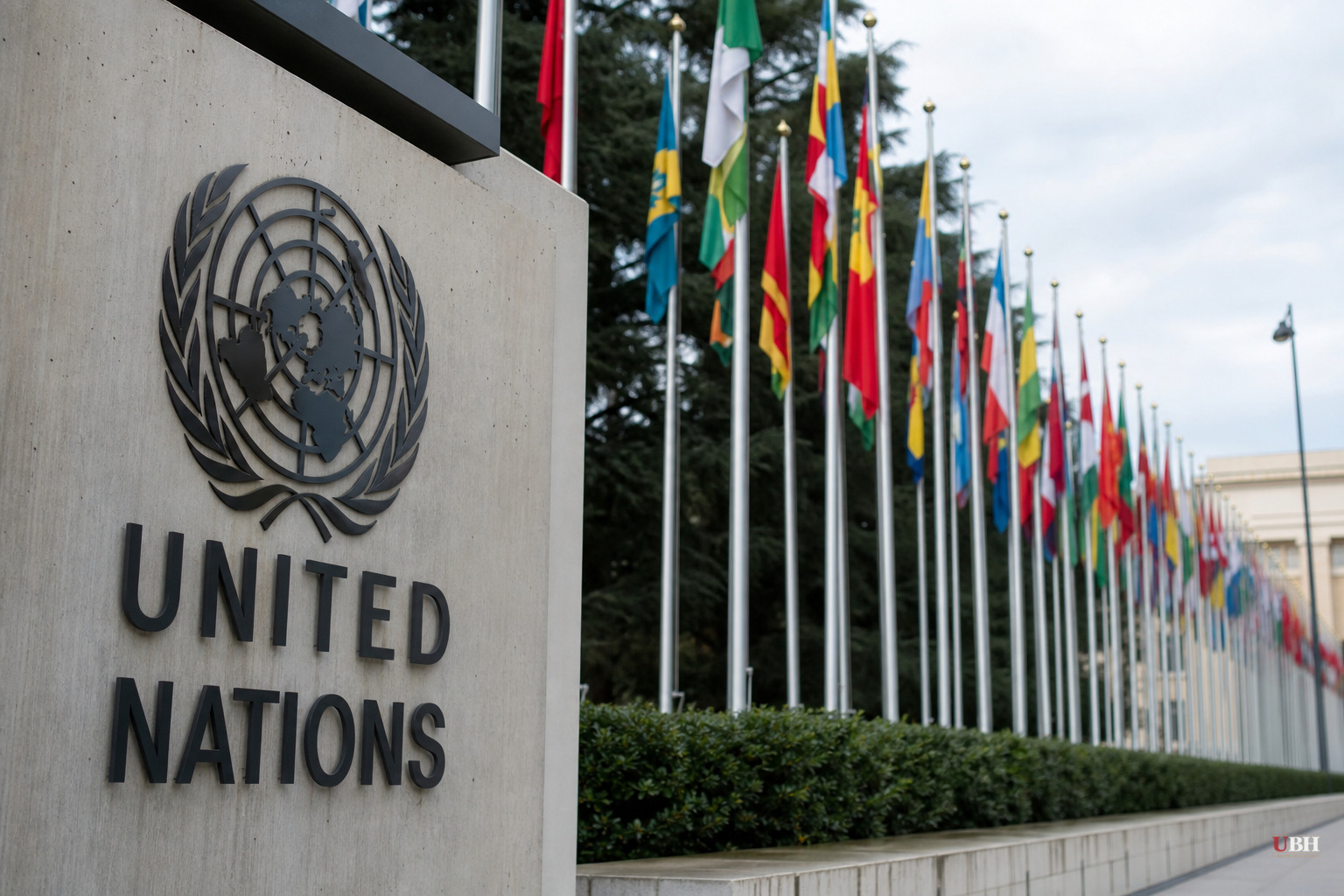
The United Nations says 2025 was the most dangerous year on record for humanitarian workers.
According to the Aid Worker Security Database, a platform funded by Canada and Australia that tracks major incidents involving humanitarian personnel, 907 aid workers were killed, injured or kidnapped last year. That's up from 833 in 2024, Reuters reported. Of the 907, 350 died. That's actually down slightly from 387 killed in 2024, but the overall violence trend is climbing, not falling.
UN Secretary-General Antonio Guterres called the numbers "appalling" in a statement released Wednesday, timed to World Humanitarian Day ceremonies in New York and Geneva, where flags were lowered to half-staff. "Serving others has become more dangerous than ever," he said.
Gaza and Sudan dominate the death toll
Gaza was the deadliest place on earth for aid workers in 2025, for the third year running, according to the UN's Office for the Coordination of Humanitarian Affairs. 186 humanitarians were killed there last year, per Anadolu Agency. Sudan came in second with 71 killed.
The UN's Palestinian refugee agency, UNRWA, says at least 393 of its staff have been killed since the Israel-Gaza war began on October 7, 2023, according to Reuters reporting carried by Al-Monitor and Global Banking & Finance. Israel says it takes extensive precautions to avoid civilian casualties. UNRWA's former chief, Philippe Lazzarini, said earlier this year he's pushing for a high-level panel to investigate staff deaths — a request that has not, as of this writing, produced an announced investigation.
Ramiz Alakbarov, UNRWA's humanitarian coordinator, posted on X that "humanitarian workers are not a target and humanitarian assistance must be fully facilitated." That's a statement of principle, not a finding of fact about who's responsible for any individual strike. No international body has issued conclusions assigning blame for the 186 Gaza deaths as a category.
Drones are changing the math
UN aid chief Tom Fletcher points to the spread of cheap, adaptable armed drones as a major driver of the spike. Anadolu Agency reported that armed drones accounted for 80% of civilian deaths in Sudan during the first four months of 2026. In Ukraine, drones reportedly killed 80 civilians in April alone. Drone attacks in Colombia quadrupled between 2024 and 2025.
The pattern is showing up specifically against humanitarian operations. In March, a drone strike hit Goma in the eastern Democratic Republic of Congo, killing at least three people, including a French aid worker, according to Reuters. Aid convoys in Sudan and Ukraine have been "repeatedly hit," per multiple UN statements. Anadolu reported four humanitarian convoys were struck in Ukraine in a single week in May.
"More than 1,000 aid workers have been killed in just three years and that is utterly unacceptable," Fletcher said, according to Anadolu. "But just calling it out will not protect the next aid worker. States must uphold international humanitarian law and use every tool to protect civilians and our colleagues. And for those who break the rules, there must be real consequences."
Violence hasn't stopped in 2026. The UN says at least 82 aid workers have already been killed this year, with 97 injured and 39 kidnapped.
The money is drying up while the danger climbs
This is happening as donor funding for humanitarian work is getting cut, not increased. The European Commission said in a statement it will maintain its own donor commitments, adding that "every aid worker killed is not only a personal tragedy; it is also a failure by the international community to uphold its most basic commitments."
Bushra Khalidi, Oxfam's global humanitarian policy lead, put it more bluntly: "We're witnessing an assault on humanitarian action itself."
Fox News's coverage focuses heavily on Sudan specifically, quoting Alan Boswell of the International Crisis Group saying "world leaders continue to ignore the conflict, leaving it to subordinates." Fox reports Sudan has produced 14 million displaced people and 34 million in need of aid since fighting broke out in April 2023 between Gen. Abdel Fattah al-Burhan's Sudanese Armed Forces and Gen. Mohamed Hamdan Dagalo's Rapid Support Forces. Fox also notes the U.S. recently sanctioned Sudan's military over allegations it used chemical weapons in 2024. Sudan's government denies these allegations, which have not resulted in any international tribunal finding.
None of the sources here identify a single mechanism that has actually punished a state or armed group for killing an aid worker in either Gaza or Sudan. Fletcher's call for "real consequences" is aspirational, not a description of anything that's happened. Whether the UN Security Council, which has enforcement power under the UN Charter, takes any concrete action against parties in either conflict remains the open question.
Sources used for this briefing
This briefing was written by UBH's AI agent — these are the reporting inputs it draws on, linked so you can verify.


