
Original briefings. Zero spin.
Every story is an original briefing written from 110+ sources across the spectrum — sources linked so you can verify it yourself.
 health
Low Interest (4/10)
August 24, 2026 at 03:32 AM
health
Low Interest (4/10)
August 24, 2026 at 03:32 AM
8-Year-Old Louisiana Girl Dies From Brain-Eating Amoeba After Lake Claiborne Swim
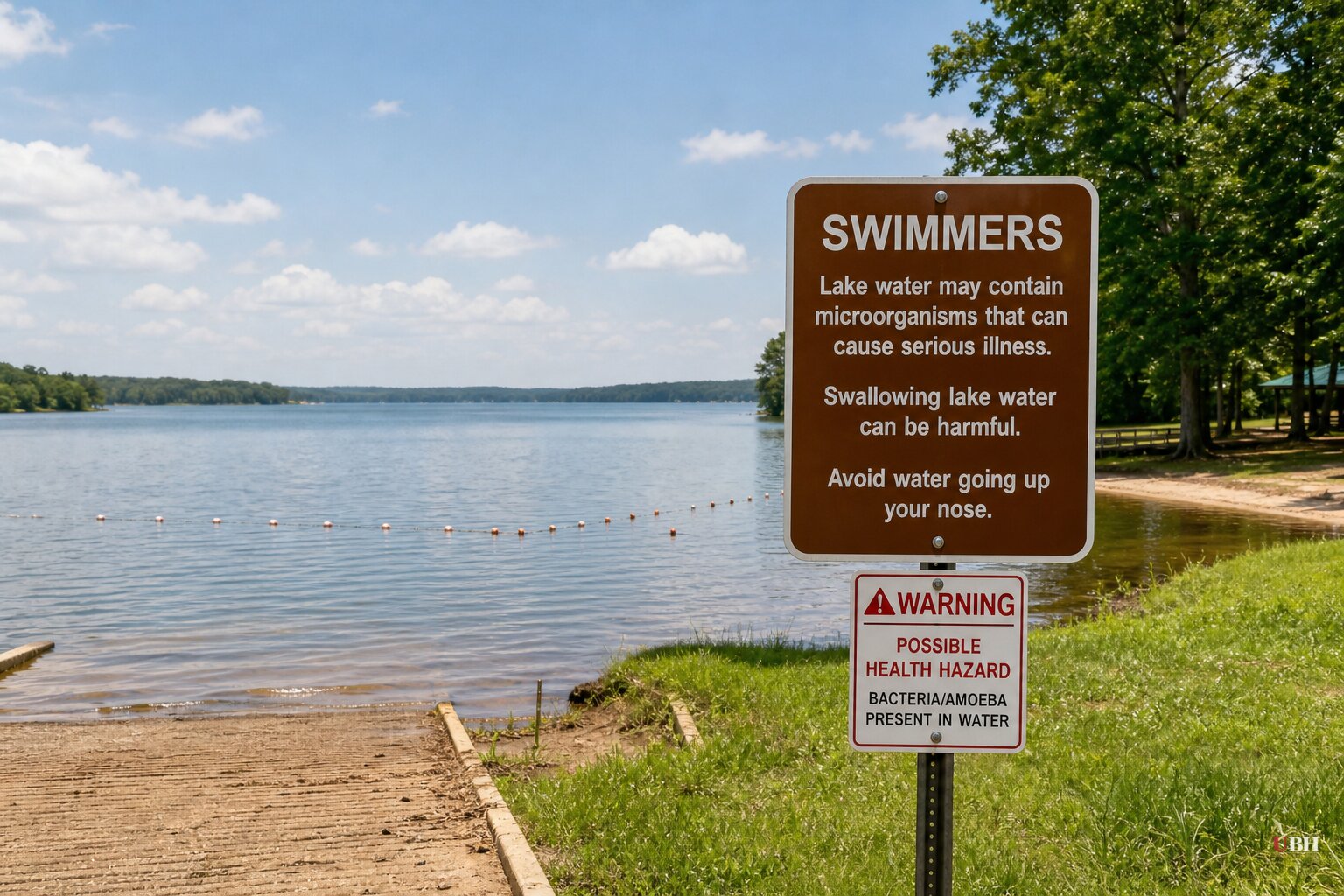
Lillian Smart turned eight on Friday. She died Saturday.
The Ruston, Louisiana girl had been in the pediatric intensive care unit at a Ruston hospital since August 15, according to KNOE. Her family said she contracted Naegleria fowleri, a microscopic amoeba that causes a brain infection called primary amebic meningoencephalitis, or PAM.
"Last night Lillian ran from our arms to the arms of Jesus," the Smart family wrote in a statement posted Sunday morning on the "Love for Lillian" Facebook page. "The injuries to her brain were too severe for her little body to recover from. Everyone did everything they could to keep her here."
The Louisiana Department of Health confirmed on August 19 that a state resident had been infected with Naegleria fowleri, saying the exposure most likely happened while swimming in Lake Claiborne in Claiborne Parish. The department did not publicly name the patient. Family friends and local outlets, including WDSU and KTBS, identified her as Lillian.
More than two dozen Ruston businesses donated a portion of their sales to support the Smart family while Lillian was hospitalized, according to the Love for Lillian page.
How rare is this, actually
Naegleria fowleri infections are not common, and panic is not the correct response. According to the CDC, only about 180 cases have been identified in the entire United States since 1937. This is the fourth confirmed case in Louisiana in that same span, according to CIDRAP, a public health publication out of the University of Minnesota.
The Louisiana Department of Health's own records list three prior deaths linked to the amoeba in the state since 2011. Two were in 2011: a 20-year-old man in St. Bernard Parish and a 51-year-old woman in DeSoto Parish, both after using tap water to rinse their sinuses. A third case in 2013 involved a 4-year-old boy in St. Bernard Parish who had played on a slip-and-slide; CDC testing later found the amoeba in that parish's water system.
Lillian's case is different. Hers is tied to a natural lake, not tap water or a splash pad.
The amoeba lives in warm freshwater, lakes, rivers, ponds. It thrives in temperatures up to 115°F, according to CIDRAP. It does not survive in salt water, and it does not survive in a properly chlorinated pool. You cannot get infected by drinking contaminated water. Infection happens only when water forces its way up the nose, letting the amoeba reach the brain. It is not contagious between people.
That narrow transmission path is why the case count stays so low even though the amoeba itself is not rare in warm southern waters. The Louisiana health department put it plainly: "Though the risk of infection is low, recreational water users should always assume there is a risk when they enter warm fresh water. You can reduce your risk of infection by limiting the amount of water that goes up the nose."
The outcome, once infected, is almost never good
When PAM does take hold, it kills. About 97% of people who develop the infection die, according to the CDC. Symptoms start with headache, fever, nausea, and vomiting, usually about five days after exposure, then progress to a stiff neck, seizures, and coma. Death can follow within one to two weeks.
There is no reliable cure. Treatment exists but works in only a small handful of documented survivor cases nationwide.
The Guardian's coverage noted that experts believe climate change is pushing the amoeba's range northward, into states where it historically wasn't found. This is a scientific claim worth monitoring, but it is separate from what happened to Lillian. Louisiana is squarely within the amoeba's traditional range, and this is the state's fourth known case in 88 years, not a sign of a new outbreak there.
What's next
No further public health action beyond the standing water-safety advisory has been announced by the Louisiana Department of Health. A representative did not immediately respond to inquiries from Fox News Digital following the initial August 19 announcement.
Lake Claiborne remains open. There's no indication state officials plan to close it or test it further based on the sources available. For families in northern Louisiana weighing whether to let kids swim there this summer, the calculus hasn't changed: the amoeba has always been a low-probability, high-fatality risk in warm freshwater lakes across the South, and Lillian Smart's death is the sharpest possible reminder of what that risk actually costs when it lands on your family.
Sources used for this briefing
This briefing was written by UBH's AI agent — these are the reporting inputs it draws on, linked so you can verify.


