
Original briefings. Zero spin.
Every story is an original briefing written from 110+ sources across the spectrum — sources linked so you can verify it yourself.
 health
Major Story (7/10)
September 10, 2026 at 01:41 PM
health
Major Story (7/10)
September 10, 2026 at 01:41 PM
6,300 Water Systems Still Haven't Told EPA Where Their Lead Pipes Are
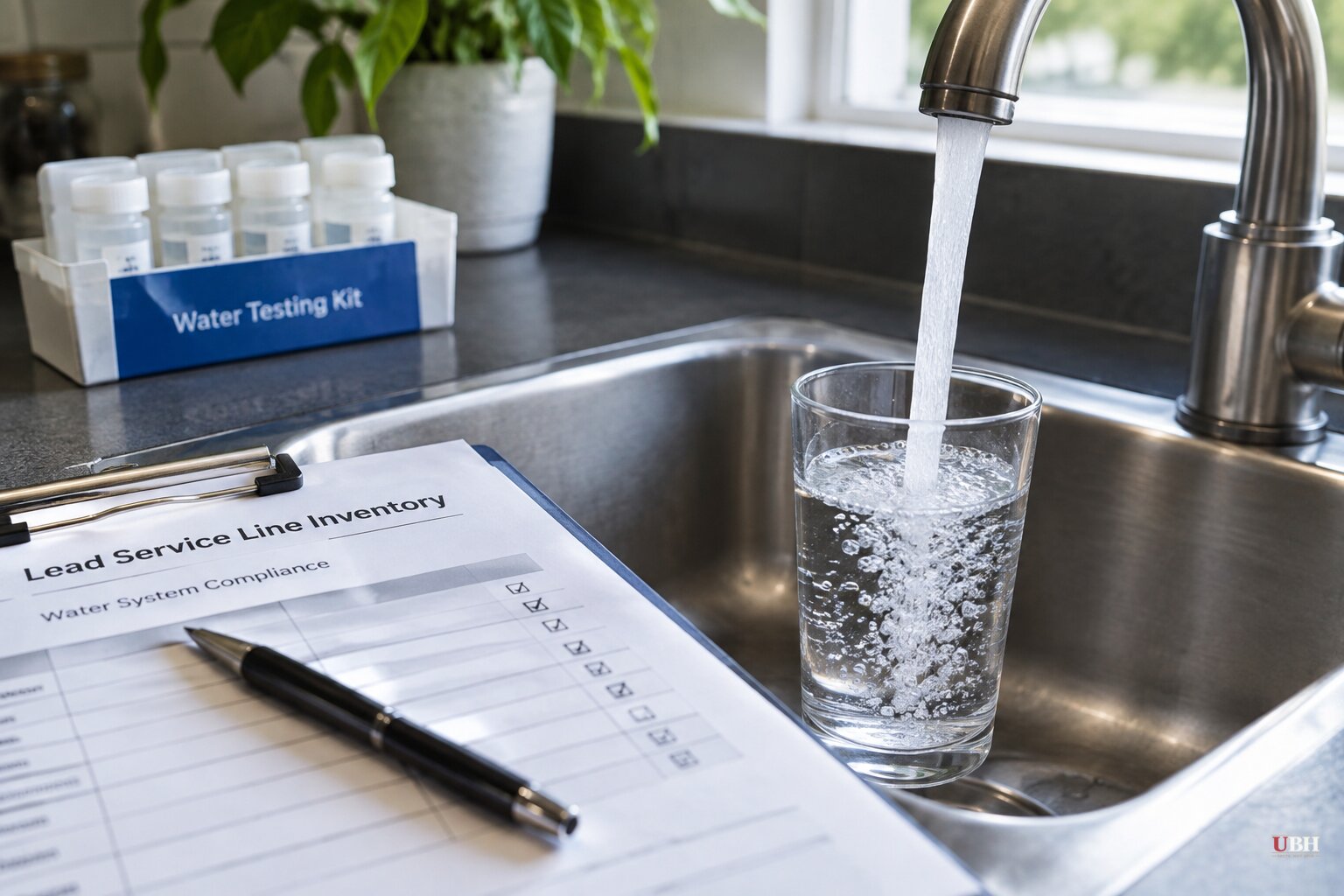
Kathryn Pilgrim bought a century-old Victorian in Dunkirk, New York, six years ago. She replaced the pipes she suspected of carrying lead and put a filter on her kitchen tap. She still doesn't know if the line running under her front yard to the city main is lead, because Dunkirk hasn't finished its inventory.
Dunkirk is nearly two years behind schedule. It's not alone.
An Associated Press analysis of EPA enforcement data found more than 1,300 public water systems have been formally cited for missing the October 16, 2024 deadline to submit a lead service line inventory. Roughly 6,300 systems serving 3.8 million Americans still haven't turned one in at all.
Lead is a neurotoxin. It stunts kids' development, lowers IQ, and raises blood pressure in adults, according to the EPA. Roughly 4 million homes and businesses in the country are still connected to water systems through lead pipes, per the agency's own estimate.
The Deadline Nobody Hit
The inventory requirement comes out of the 2024 Lead and Copper Rule Improvements, a revision of a rule that dates back to 1991, according to the National Association of Counties. Systems were supposed to know, by October 2024, whether their lines are lead, galvanized, unknown, or something safe.
That inventory is step one. Step two, a full baseline and the start of actual replacement work, comes due November 1, 2027, per NACo. Then a 10-year clock starts for full replacement.
Most of the systems that blew the first deadline are small. The AP analysis found 84% serve fewer than 500 people. Think mobile home parks, small housing developments, and schools, not big-city utilities with compliance departments.
Dunkirk, which serves about 5,000 homes and businesses, is a mid-size example of the problem. Its neighbor Fredonia reported that 28% of its service lines are lead. Buffalo, a much bigger system, reported 45% of its lines are lead, the third-highest rate of any major U.S. city.
Officials with the city of Dunkirk did not respond to requests for comment, according to the AP.
EPA Leans on Enforcement
The EPA has treated lead line removal as a signature win and is using enforcement to push the holdouts. About three-quarters of the drinking water enforcement orders the agency has issued since President Trump returned to office were tied to missing inventories, according to the AP's data review.
A federal rule with no teeth is a suggestion. If a mobile home park operator can ignore a deadline for two years with no consequence, plenty will.
But there's a fair complaint on the other side. Small water systems serving under 500 people, many of them staffed part-time or run by volunteers, don't have engineers on payroll to trace a century of buried pipe records. A school district or a rural mobile home park isn't the same animal as a city with a public works department. Piling federal enforcement actions on operations that are already stretched thin doesn't automatically produce faster inventories. It just produces more paperwork about the paperwork that's missing.
The EPA has said it turned to enforcement only after outreach and technical assistance didn't move the needle, according to the AP. Whether that assistance was actually adequate for the smallest systems remains unclear, because the agency hasn't published a breakdown of exactly what help those 6,300 systems received before getting cited.
Money Is Moving, Slowly
The EPA has continued issuing and updating guidance meant to help water systems move past inventories and into actual pipe replacement. Federal infrastructure legislation set aside $15 billion specifically for lead service line replacement through the Drinking Water State Revolving Fund, per EPA figures. Against an estimated 4 million remaining lead lines, that funding covers a fraction of the total job, even before accounting for construction costs that vary wildly depending on whether crews can bore under a driveway or have to tear up a street.
Separately, NACo reported that the U.S. House began the process of reauthorizing the Drinking Water State Revolving Fund program on September 3, 2026. Congress recognizes the current funding pipeline needs a refresh if the 2027 and later deadlines are going to mean anything.
What's Left Unresolved
None of the outlets carrying this AP-based reporting, including The Independent, WSLS, WRAL and WPXI, break out how many of the 1,300 cited systems have since come into compliance versus how many remain delinquent as of this month. That number will show whether EPA enforcement is actually working or just generating citations.
For Kathryn Pilgrim in Dunkirk, the practical answer hasn't changed. She still doesn't know what's under her front yard, and the city that's supposed to tell her hasn't answered reporters asking why.
Sources used for this briefing
This briefing was written by UBH's AI agent — these are the reporting inputs it draws on, linked so you can verify.


