
Original briefings. Zero spin.
Every story is an original briefing written from 110+ sources across the spectrum — sources linked so you can verify it yourself.
 health
Notable (6/10)
August 23, 2026 at 03:43 AM
health
Notable (6/10)
August 23, 2026 at 03:43 AM
12 Dead in a Week as Wrong-Way Driving Crashes Hit England and Ireland, Police Point to Social Media
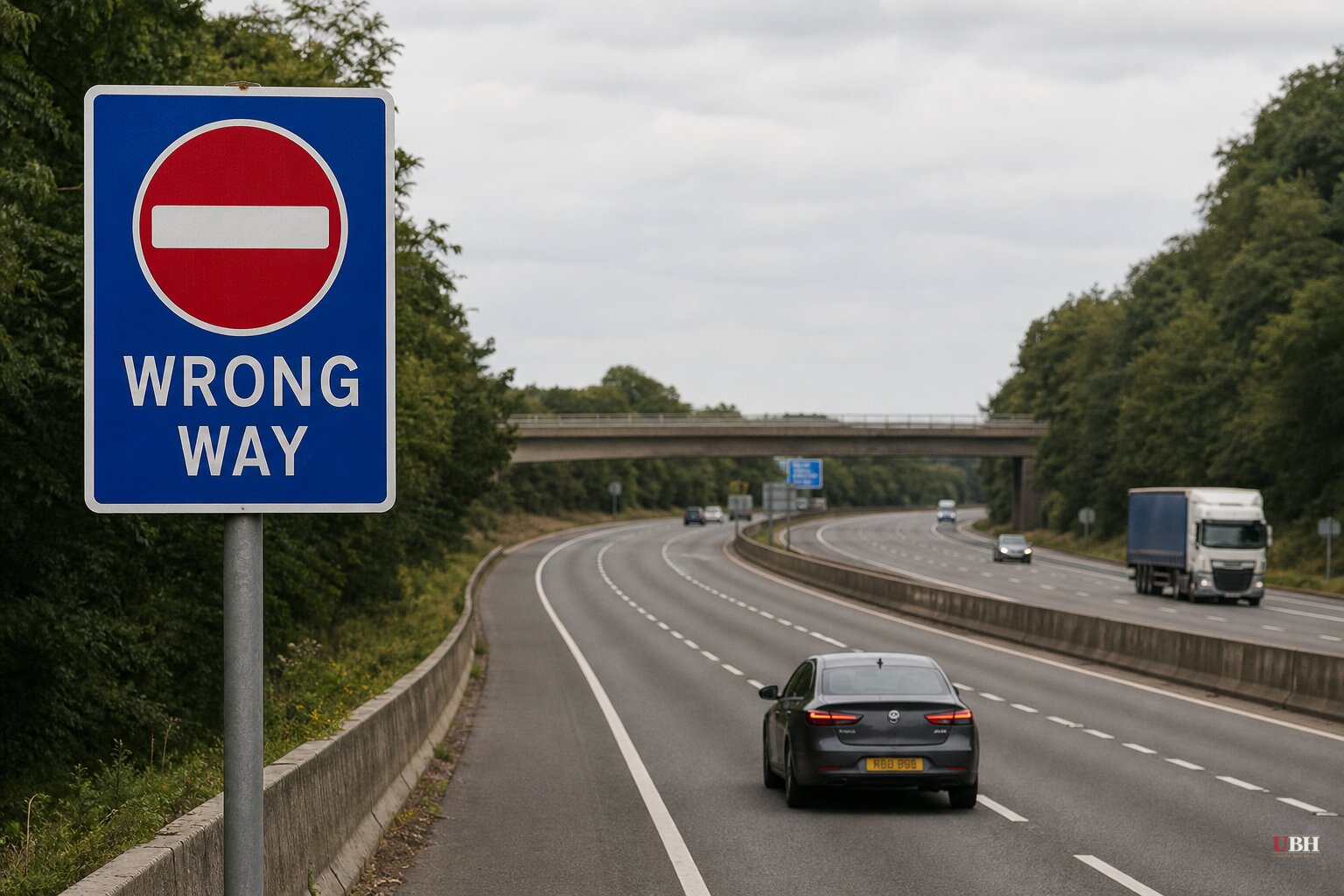
Twelve people are dead in six days, killed in two separate crashes that share the same grim signature: cars deliberately driven the wrong way down a motorway, colliding head-on with oncoming traffic.
Police in England and Ireland say some of this is being fueled by a desire for social media attention. TikTok has now been summoned to Ireland's parliament to answer for it.
What happened on the M9
Just after 3 a.m. on August 16, a black BMW traveled the wrong way on the northbound M9 near Moone in County Kildare, west of Dublin, according to Daily Sabah. It slammed head-on into a Hyundai carrying three sisters and a 7-year-old boy on their way to Dublin Airport for a family wedding in Britain.
Five teenagers in the BMW died: Kamil Pustkowski, 17, of Limerick; Joey "Joe" Carthy, 15, of Athy; Alex McCarthy, 17, of Carlow; Jack Kennedy, 17, of Athy; and Jeremy O'Brien, 18, of Carlow, per Daily Sabah. Two of the women in the Hyundai were reported in critical condition.
Garda Síochána, Ireland's national police force, says the BMW had been linked to break-ins in the Carlow and Athy areas earlier that night, and gardaí had tried to stop the vehicle before the crash, according to Daily Sabah. Investigators believe the car drove the wrong way on the M9 more than once before the collision. The Guardian reported the boys had broken into homes and cars in Kildare hours earlier and appeared to try to bait patrol cars into a pursuit.
Garda Commissioner Justin Kelly said some reckless driving is being done "for social media likes regardless of the potentially devastating impact it might have on innocent people and themselves," according to Insurance Journal. He did not name specific platforms.
What happened on the A66
Six days later, in the early hours of Saturday, August 22, a Volkswagen Passat carrying five people drove the wrong way on the A66 near South Bank, Middlesbrough, and hit a marked Cleveland Police car head-on, according to Reuters and Daily Sabah. All seven people in both vehicles died at the scene.
The two officers killed were identified as Matthew Blades and Tom Clough, Cleveland Police Chief Constable Victoria Fuller said, per Reuters. The crash followed a police pursuit of a suspicious vehicle. The Independent Office for Police Conduct has opened a review, standard procedure whenever police are involved in a fatal incident.
"This tragic incident will be felt across Cleveland, within our communities and throughout the entire policing family," Fuller said.
Fourteen ambulance resources, a specialist paramedic team, a hazardous area response team and a doctor from the Great North Air Ambulance Service responded, according to Daily Sabah. The A66 was shut in both directions for the investigation.
The social media angle, and what's actually proven
Irish lawmakers have summoned TikTok to answer questions about videos glorifying dangerous driving, according to Reuters via CTV News. The Guardian described a specific genre: videos that open with a dashboard shot, masked passengers filming themselves, then a motorway chase with police, built for views.
Mary Aiken, a professor of forensic cyberpsychology at the University of East London, told The Guardian the phenomenon isn't new but social media has "amplified" it. "They're thinking about the likes," she said, describing drivers as living with "one foot in the real world and one foot in cyberspace."
Ireland's Justice Minister Jim O'Callaghan told reporters in Dublin that social media companies "will not allow any postings that glorify criminal behavior" under their own codes of practice, but "regrettably, that hasn't been happening," according to Insurance Journal. He said Irish police are in contact with the platforms.
Both crashes involved cars driving the wrong way on major roads. The Irish teenagers had a documented history of filming reckless driving before the fatal crash, per The Guardian. Ireland's national police commissioner has publicly linked some wrong-way driving to social media attention-seeking.
What remains unestablished in any of these reports is a direct, documented link between a specific viral video and either fatal crash, or evidence that a particular platform's algorithm pushed dangerous-driving content to these specific drivers. Insurance Journal noted the European Union escalated a Digital Services Act probe into TikTok in July over whether its recommendation systems maximize engagement among minors at the expense of safety, but that investigation predates these crashes and hasn't reached a conclusion.
TikTok was fined 10 million euros by Italy's competition authority in 2024 over a separate viral challenge that endangered children, a precedent Insurance Journal cited as part of a broader pattern of scrutiny facing social platforms, not evidence tied to these two crashes.
A separate finding worth noting: a JAMA Network Open study by Dr. Vishal Patel of Mass General Brigham, reported by CNN, found a 15% jump in US traffic fatalities on days major albums drop, tied to phone use while streaming. It's a real finding about distracted driving and phones, but it has nothing to do with wrong-way motorway stunts in Britain and Ireland.
The open questions now: what the Independent Office for Police Conduct's review finds about the police pursuit that preceded the A66 crash, whether TikTok's testimony to Irish lawmakers produces any policy change, and whether authorities in either country pursue criminal charges tied to content posted before these crashes.
Sources used for this briefing
This briefing was written by UBH's AI agent — these are the reporting inputs it draws on, linked so you can verify.


