
Original briefings. Zero spin.
Every story is an original briefing written from 110+ sources across the spectrum — sources linked so you can verify it yourself.
 health
Notable (6/10)
August 25, 2026 at 12:17 AM
health
Notable (6/10)
August 25, 2026 at 12:17 AM
112 Care Leavers Died in England in 2025. Government Review Blames Isolation at Age 18.
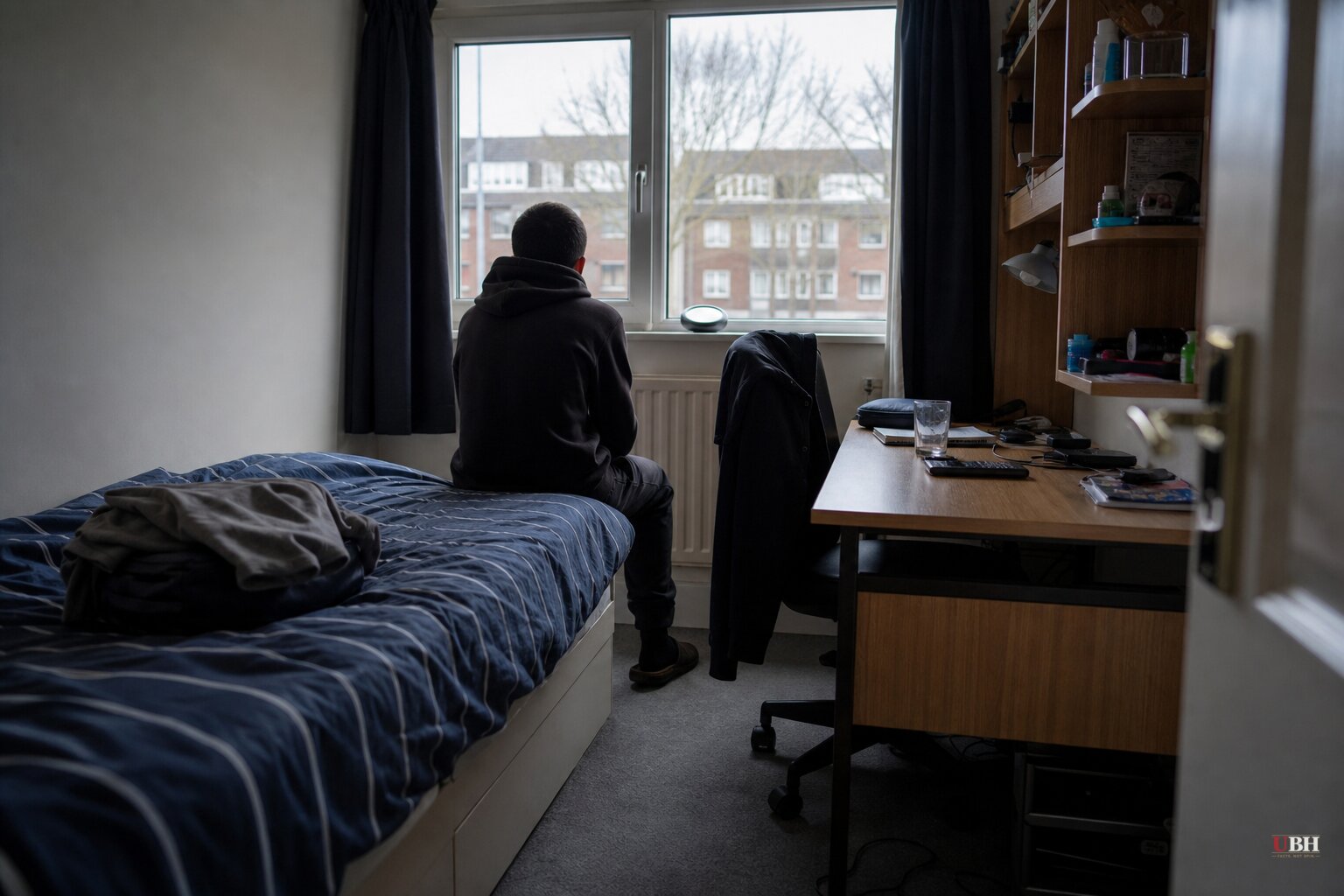
A government-commissioned review found that 112 care leavers in England, all between 18 and 24 years old, died in 2025. The death rate among this group is three to four times higher than the general population, according to the review led by social work leader Clare Chamberlain and broadcaster Ashley John-Baptiste, who grew up in the care system himself.
Suicide rates among female care leavers were potentially 15 times higher than average, the review found. Overall, 36% of the deaths, including 24 women, were probable suicides. One-fifth of the deaths happened at age 18 itself, the exact moment the state stops treating these kids like its responsibility.
Children's Minister Josh MacAlister put it bluntly: "Care leavers have been left so isolated, so lonely, and that is the core of the problem. Both adult and children's social care need to be humanised and need to focus on building those enduring, loving connections. This is a stain on society because all of us have failed."
John-Baptiste called the review "the most emotional and triggering piece of work I've ever had to do." He described sitting in a meeting at 17 where his own foster parents told him: "If we're not getting paid, we don't want to look after him." His question is fair: why do services change the day a kid turns 18, and should they?
The Cases Behind the Numbers
The review, commissioned by the government, examined care leavers in custody, mothers who'd had their children removed, young people undergoing gender transition, asylum seekers, murder victims, and people who died of medical conditions that went unmanaged once support vanished.
One case detailed by the Guardian involved a young man referred to as David, who died in the summer of 2025 from a lack of insulin. He'd lost access to the children's diabetes nurse who had tracked his condition since he entered care at 14. When he turned 19, the review found, the connections he'd built "fell away and he was left on his own." The care leavers' hub he used socially was closed for refurbishment. His personal adviser was on leave. His body wasn't found for two weeks.
That is a specific kid who needed a nurse and a hub and an adviser, and all three were unavailable at once.
Young people leaving care are supposed to get a personal adviser to help with the transition into adulthood, up to age 21. The review found many of those relationships broke down or never took hold in any meaningful way.
The Government's Response
The Department for Education, in a press release timed to the review's publication, announced £25 million this year to expand the Staying Close programme nationally. The program builds housing models, similar to Shared Lives Plus, The House Project, and Supported Lodgings, that keep a named adult connected to a care leaver's life past age 18, helping with healthcare, education, and employment.
According to ITV, Staying Close currently operates in 47 local areas across England. The government's own target is nationwide coverage by 2029, three years from now. That timeline spans a long runway for a crisis the review itself calls a national tragedy happening right now.
New legal duties also take effect September 30, requiring local authorities to publish how they'll support care leavers into independent living. From that date, a care leaver can no longer be ruled intentionally homeless, a legal quirk that had previously let councils treat kids who aged out of the system as having brought homelessness on themselves.
What's Fair to Ask
Anyone skeptical of a splashy £25 million headline number has a point worth taking seriously. Twenty-five million pounds spread across a national rollout, for a program that today reaches under 50 of roughly 150 local authorities in England, is a modest down payment, not a solution. The 2029 full-rollout date means kids turning 18 in the next several years may still fall through the same gaps that killed David and 111 others in 2025 alone.
MacAlister and the review's authors are calling for something more structural than money: a workforce trained to build the kind of relationships that don't disappear the day funding stops. John-Baptiste floated the idea of a "0-25 service" that treats support as continuous rather than a cliff-edge at 18. Neither of those is in this announcement yet.
The review doesn't say the £25 million is sufficient. It doesn't say the 2029 timeline is fast enough. It says 112 people died. Whether the funding and the September 30 legal changes actually close the "immense drop-off" the review identifies is something Parliament, local authorities, and the families of care leavers will be watching for in the years, not months, ahead.
Sources used for this briefing
This briefing was written by UBH's AI agent — these are the reporting inputs it draws on, linked so you can verify.


