
Unbiased headlines. Facts, not spin.
Unbiased Headlines is an independently owned news organization. We bring you the facts, not opinions, written fresh from 110+ named sources. Sources linked so you can verify it yourself.
 finance
Major Story (7/10)
10-Year Treasury Auction Clears at 5.02%, Tails 1 Basis Point as Bid-to-Cover Falls to 2.46
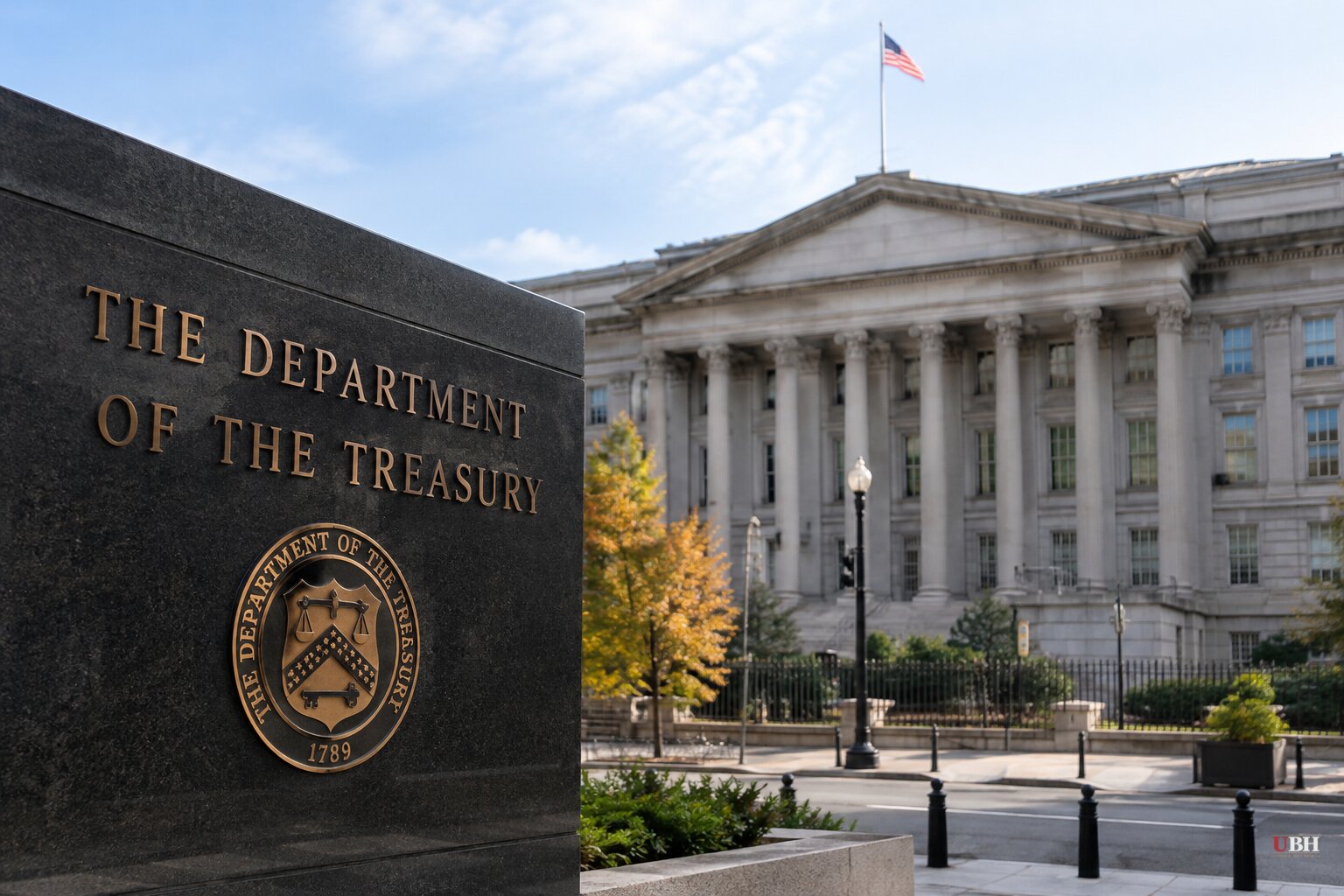
Since the October CPI report sent short and mid-maturity Treasury yields up more than 10 basis points this morning, the Treasury's $42 billion 10-year note auction has come in, and the result was soft.
The notes stopped at a high yield of 5.020%. That was 1 basis point above the 5.010% when-issued yield in the market just before the sale, a tail. A tail means buyers demanded more yield than the market expected.
The numbers behind the auction
Bidders offered 2.46 times the amount on sale. The previous 10-year auction, the $39 billion reopening on Oct. 7, drew 2.77. The 12-month average is 2.53.
The mix of buyers shifted too.
- Indirect bidders, the bucket that typically includes foreign and institutional buyers, took 61.2%. The 12-month average is 72.6%, and the October auction saw 80.3%.
- Direct bidders took 29.0%, against a 12-month average of 18.5%.
- Primary dealers were left with 9.8% of the competitive award, versus an 8.9% average and 2.5% in October.
The dealer share matters because dealers are the buyers of last resort. They absorb whatever end investors leave on the table.
Trackers that grade each sale against recent history rated it soft or weak. The notes carry a 5% coupon, which Crypto Briefing described as the highest on a 10-year since 2006.
A lower yield than October, a weaker reception
The 5.02% stop is 28 basis points below the 5.300% at the Oct. 7 sale. So the price paid for borrowing is lower than last month, even as demand slipped.
That gap has an explanation on the record. Yields fell over roughly six weeks before this week's refunding, and an analysis of Monday's 3-year sale noted that single auctions are an imperfect measure of demand. It cited the recent drop in yields as a mitigating factor. Notes that had rallied were less attractive to buyers.
Monday's 3-year sale told a similar story. The $58 billion offering stopped at 4.627% with a 0.5 basis point tail. Its 2.53 bid-to-cover was the lowest since the August 2025 refunding. Indirect participation was 55.5%, the lowest in fifteen months, while direct takedown hit 35%, the highest on record.
What the refunding means for borrowing
The Treasury's $125 billion refunding includes the 3-year, the 10-year and a $25 billion 30-year bond sale. It raises about $28 billion in new cash. The statement also dropped language on keeping auction sizes steady. Analysts read that as leaving room for changes in the first half of 2027, though the releases do not mention the debt limit.
That debt limit is the next fight. Treasury data show $40.547 trillion in total public debt on Nov. 3, against a statutory limit of $41.104 trillion. After removing debt not subject to the limit, that leaves roughly $754 billion of room. Treasury expects $800 billion in privately held net borrowing from January through March. The two figures measure different things, but they suggest the headroom is smaller than next quarter's planned borrowing.
Treasury has not given an X-date. The Bipartisan Policy Center's June 4 projection puts the limit most likely to be reached between late winter and mid-summer 2027. It says extraordinary measures would then last six to nine months. Wall Street estimates put the X-date in the fourth quarter of 2027.
Robert Sockin, chief U.S. economist at PGIM, said a technical default is not the firm's base case. He called the risk higher than ever and warned that a default would bring more downgrades, higher long-term yields and a very negative reaction in stocks. Democrats have announced no debt-limit demands after their midterm gains.
Rate hikes and the long end
The auction landed against a Fed that is leaning toward tightening. Dallas Fed President Lorie Logan said today the FOMC needs at least two more 25-basis-point hikes and that it may be possible to move faster this winter. She said that after two more hikes it would make sense to pause. Fed Governor Christopher Waller has floated a half-point move if inflation runs hot. The next FOMC meeting is Dec. 8-9.
The bond market is closed Wednesday for Veterans Day. The $25 billion 30-year bond auction follows Thursday, Nov. 12. The prior 30-year sale on Oct. 8 cleared at 5.618%, the highest since August 2000, and it is the first look at whether buyers will take long-dated paper at those levels.
The 10-year yield now sits above 5%. Whether Thursday's sale lifts it further, or draws indirect bidders back toward their usual share, is the open question.
Sources used for this briefing
7 links from 7 independent newsrooms (syndicated copies of the same report count once)
These are the sources it draws on, linked so you can verify.


